ELI5
Explain it like I’m five分散投資(ぶんさんとうし)What is diversification?
日本語English
In one lineDiversification is spreading money across different assets, regions or times to reduce the damage from any single investment falling.
Diversification means not putting all your money into one thing. Instead, you spread it across many. Investors like to say, “Don’t put all your eggs in one basket.” Drop the basket, and every egg breaks. You can spread across types, like stocks, bonds and savings. You can spread across places, like Japan and other countries. You can even spread across time, buying bit by bit. If one thing falls, another may hold steady. It rarely makes you rich overnight. It also rarely makes you lose everything. Boring, and smart.
- spread
- 分ける・散らす
- basket
- かご
- asset
- 資産
- hold steady
- 持ちこたえる
- overnight
- 一夜にして
Go deeper
The man who put it in math
American economist Harry Markowitz explained the old wisdom of spreading your bets with math. In his 1952 paper “Portfolio Selection,” written at age 25, he showed that combining assets that move differently can lower overall swings without cutting expected returns much. This became known as modern portfolio theory, and Markowitz shared the Nobel Prize in economics in 1990.
Long-term, regular, diversified
Japan's Financial Services Agency recommends three basics for building wealth: hold for the long term, buy a set amount regularly, and spread your investments. Buying regularly also spreads your purchase timing. But no matter how you split things up, your investments can still fall when the whole market drops. Before investing, check official guides or ask an expert.
How people use it
- “Putting everything into one company scared me, so I chose a global stock fund.”
- “Regular buying means I buy both high and low, so I'm spreading out the timing.”
Questions people ask
- How do I diversify?
- Split money across assets that move differently, such as domestic and foreign stocks and bonds, and spread out when you buy. Funds let you diversify even with small amounts. Check official guides or an expert for details.
- When did diversification theory begin?
- Harry Markowitz laid it out in a 1952 paper, which later led to a Nobel Prize in 1990.
- Can you diversify too much?
- Spreading too thin can make things hard to manage and add fees. Match it to your goals and budget.
Sources:金融庁「資産形成の基本」(NISA特設ウェブサイト)、Wikipedia「Modern portfolio theory」
Your turn
How many baskets do you use?
Tap to see what everyone said.
Related words
 Dollar-cost averagingDollar-cost averaging means investing the same amount of money at regular times, again and again.
 Asset managementAsset management means placing your money in things like savings, stocks, bonds or funds to grow it or protect it.
 Risk and returnRisk and return describe a basic rule of investing.
 Opening price (hatsune)Hatsune is the price of the first trade of a newly listed stock on the exchange. It is diffe…
 Stock (shares)
 Nikkei 225The Nikkei 225 is a stock index based on the share prices of 225 major companies on the Toky…
 DividendA dividend is money a company pays to shareholders from its profits, based on how many share…
 Shareholder perks (yutai)
 Investment fund (toshi shintaku)
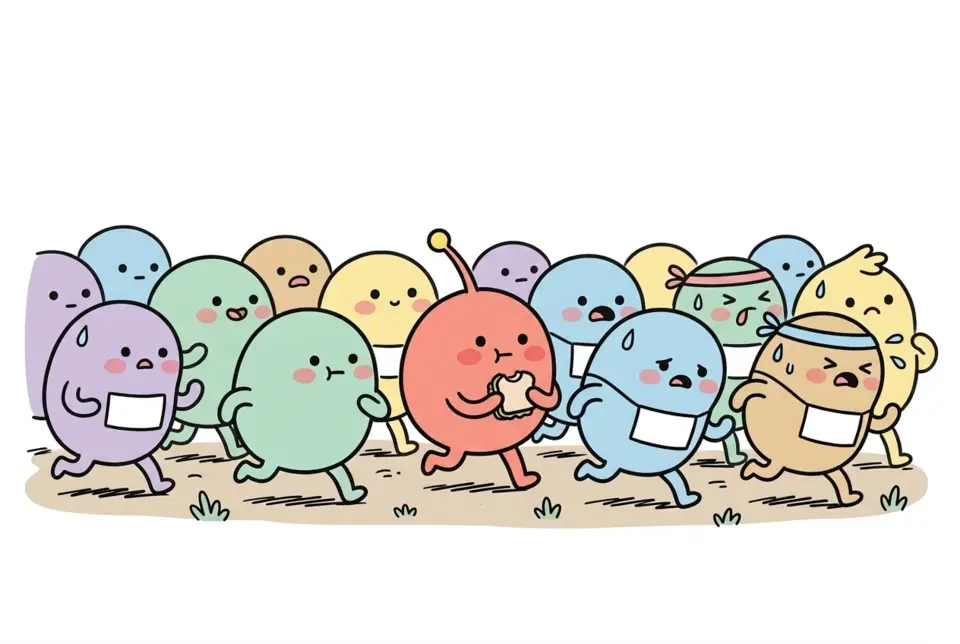 Index fundAn index fund is an investment fund that tries to move like a market index, such as the Nikkei 225 or TOPIX.
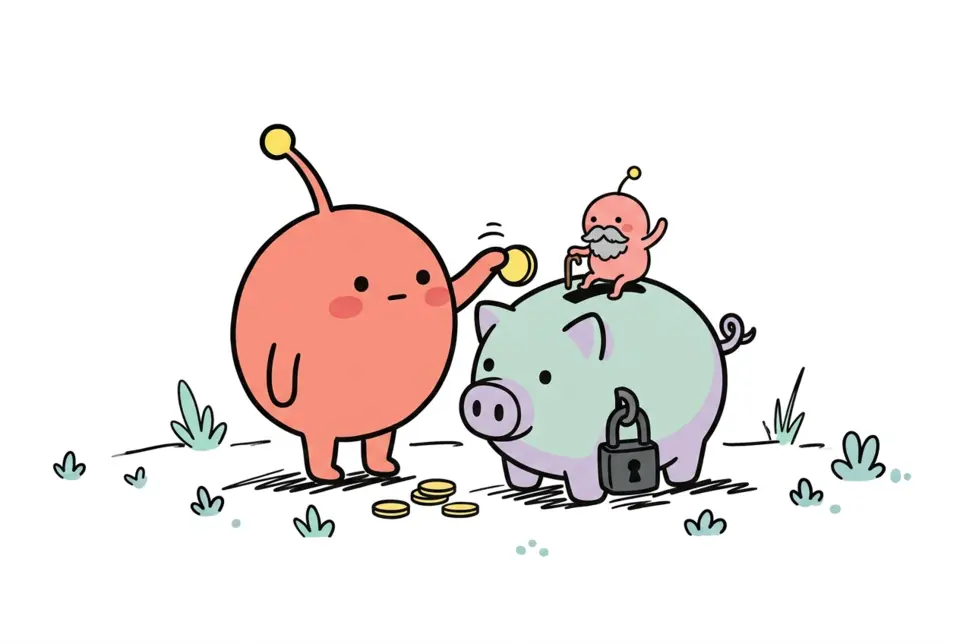 iDeCoQ. Can I take out iDeCo money any time?
A. It is not savings you can take out any time. In principle you can’t …
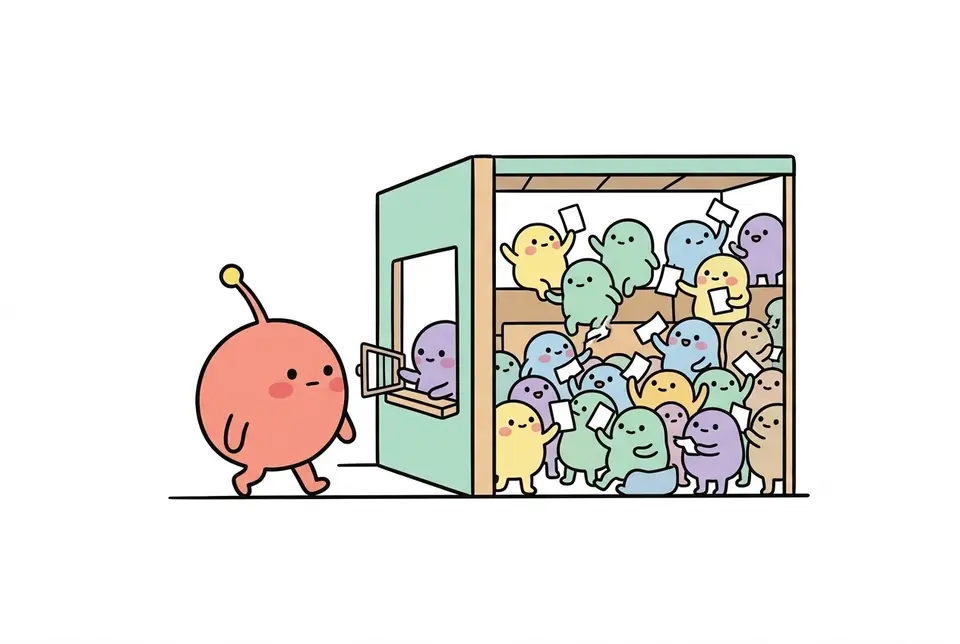 Securities companyQ. If a securities company goes bust, do my shares disappear?
A. If a securities company goes bust, your shares don’t vanish. They ar…
Source (in Japanese): Wikipediaで「分散投資」を調べる