ELI5
Explain it like I’m fiveアジェンダWhat is an agenda?
日本語English
In one lineAn agenda is a list of topics for a meeting, with their order and sometimes time limits. In politics it can also mean the issues a government wants to work on.
An agenda is a list of things a meeting will talk about, in order. The word comes from Latin and means “things that must be done.” People say, “We have three items on today’s agenda.” Some agendas also show how many minutes each item gets, and who leads it. If you send it out early, everyone can get ready before they come, and the meeting is shorter. A meeting with no plan is like a bus with no stops. Hand out the map first.
- item
- 項目
- in order
- 順番に
- get ready
- 準備する
- minutes
- 議事録
Go deeper
Where the word comes from
Agenda comes from the Latin verb “agere,” meaning to do or act. “Agenda” is a plural form meaning “things that ought to be done.” In English it came to mean the list of topics for a meeting. In other words, a meeting agenda is a “things to do today” list.
Writing an agenda that works
A common format starts with the meeting’s purpose in one line, then lists the topics in order. For each topic, noting a time limit, who presents it, and whether it is “to decide” or “just to share” helps keep the talk on track. Any materials go out in advance with the agenda. Saving time at the end to confirm “who does what next” keeps the meeting from ending with decisions nobody follows up.
Agendas in politics and society
Agenda can also mean the policy issues or action plan of a government or public body. “Agenda 21,” for example, is an action plan for environment and development in the 21st century, adopted at the UN Earth Summit in June 1992. The idea that what the media covers shapes which issues people think are important is called “agenda-setting.” In a meeting or in society, what makes the agenda decides where the talk goes.
How people use it
- “I sent the agenda the day before, and the meeting was over in 15 minutes.”
- “Someone brought up something not on the agenda, and suddenly an hour had passed.”
Questions people ask
- What goes on an agenda?
- Usually the meeting’s purpose, the topics in order, and a time limit and presenter for each. Topics that need a decision should say so.
- What is Agenda 21?
- An action plan for environment and development in the 21st century, adopted at the UN Earth Summit in June 1992.
Sources:Wikipedia「アジェンダ」、Wiktionary “agenda”
Your turn
Do your meetings have an agenda?
Tap to see what everyone said.
Related words
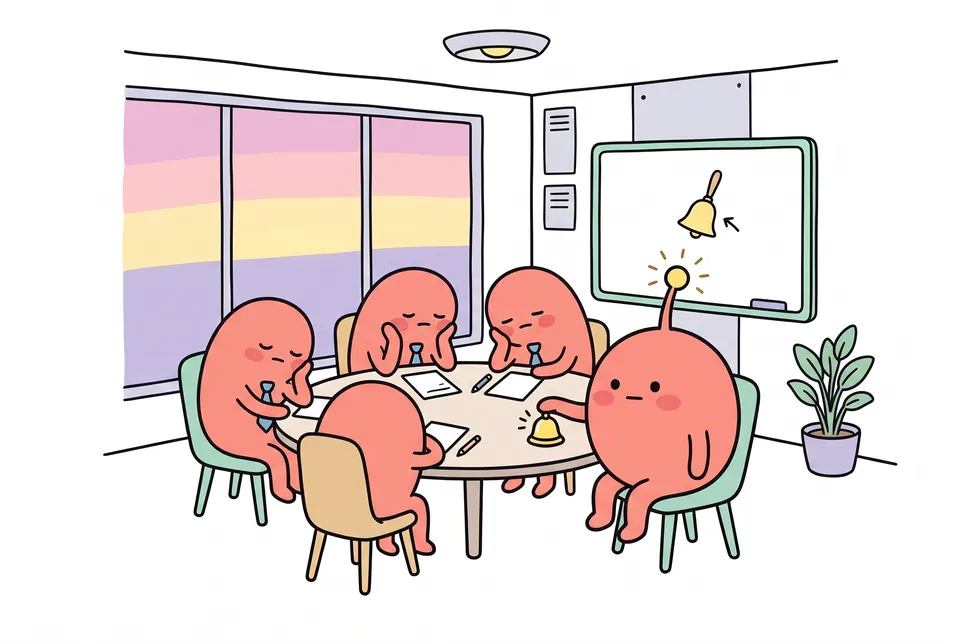 MTGMTG is a written abbreviation of “meeting,” used in schedules, emails and notes.
 Tatakidai (first draft)A tatakidai is a first draft or rough plan made to move a discussion forward, on the underst…
 ASAPQ. What does ASAP mean?
A. ASAP does not give a real deadline. For important work, write the ex…
 EvidenceEvidence is the proof that backs up a claim or decision. At work it means documents, data or…
 ConsensusConsensus is a state where the people involved agree. At work, it means getting everyone’s O…
 Commit (as a work word)In Japanese offices, “commit” means making a firm promise to reach a goal or result.
 PendingPending means putting off a decision or action for a while. It comes from the English word “…
 Resuke (reschedule)Resuke means rearranging a plan that was already set.
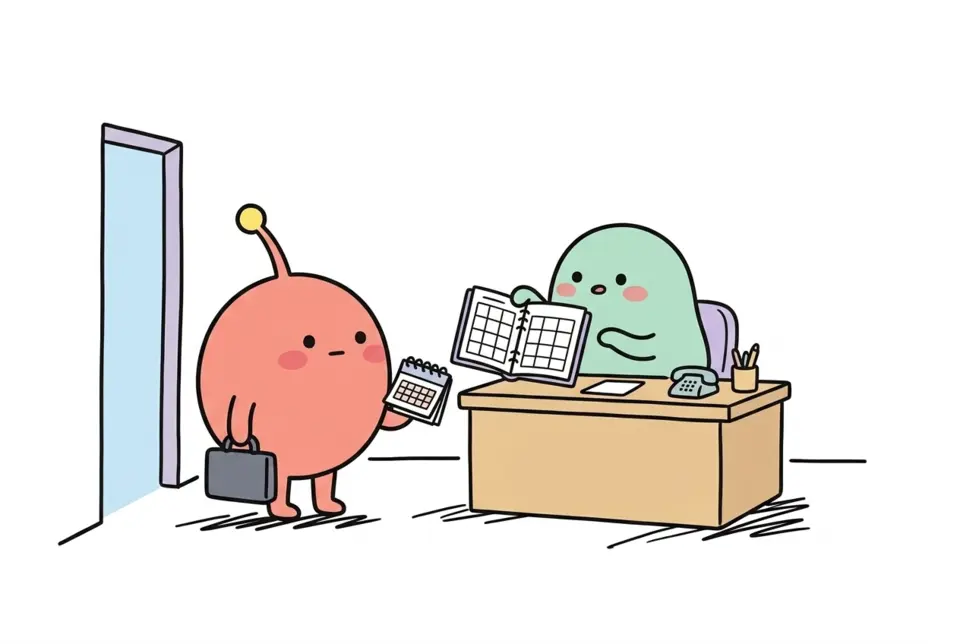 Apo (appointment)Q. Is an apo the same as a meeting?
A. An apo is not the meeting itself. It is the promise to meet; the mee…
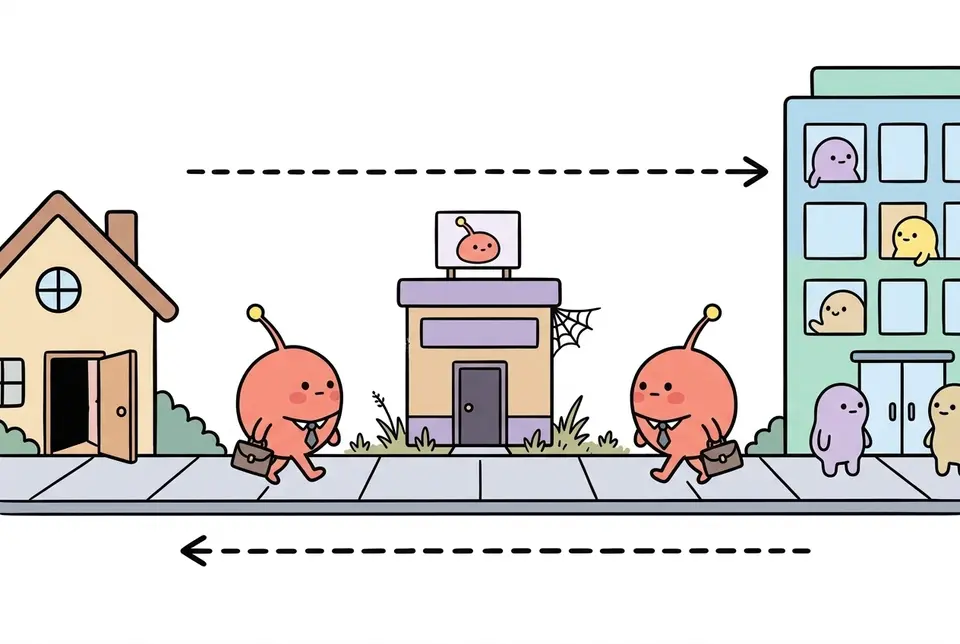 Going direct (chokko chokki)Q. Can I decide to go direct on my own?
A. It is not something you can decide on your own. At many companies, y…
 Horenso (report, contact, consult)
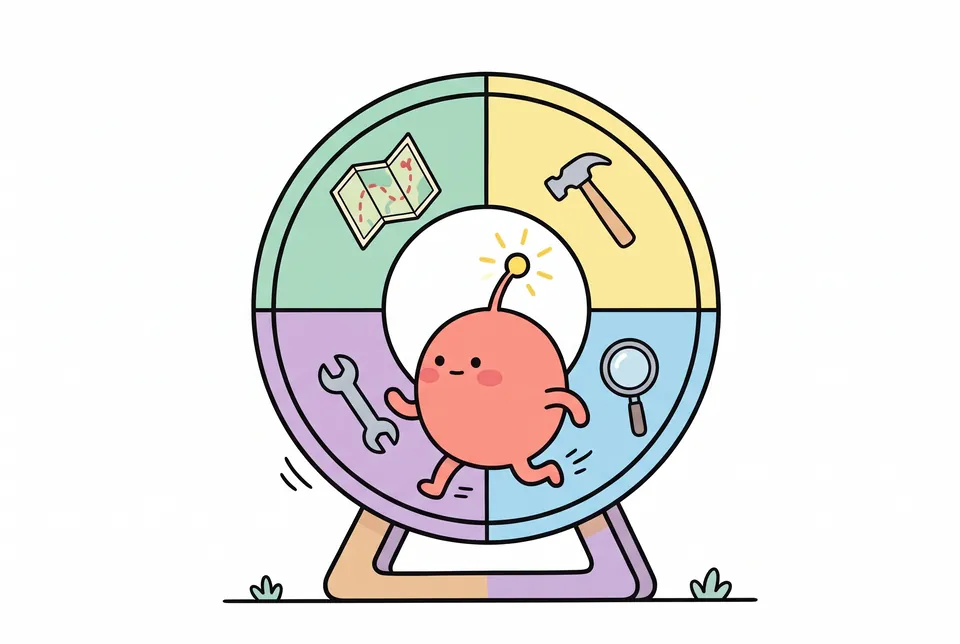 PDCAPDCA (Plan, Do, Check, Act) is a method of repeating four steps to keep improving work.
Source (in Japanese): Wikipediaで「アジェンダ」を調べる