ELI5
Explain it like I’m five尊敬語と謙譲語(そんけいごとけんじょうご)What are sonkeigo and kenjogo?
日本語English
In one lineSonkeigo and kenjogo are types of Japanese honorifics. Sonkeigo raises the other person’s actions, and kenjogo humbly lowers your own side’s actions to show respect.
Sonkeigo and kenjogo are both kinds of polite Japanese, but they point different ways. Sonkeigo raises the other person’s actions. “Say” becomes “ossharu,” and “come” becomes “irassharu.” Kenjogo lowers your own actions to show respect. Examples are “mosu” and “ukagau.” A common slip is telling a customer, “Please ukagau at the front desk.” Ukagau is kenjogo, so it lowers the customer. The right way is “Please otazune at the front desk.” Ask yourself who is doing the action. That clears most of it up.
- honorific
- 敬語
- respect
- 敬意
- action
- 動作
- slip
- まちがい
- front desk
- 受付
Your turn
Did you know this word?
Tap to see what everyone said.
Related words
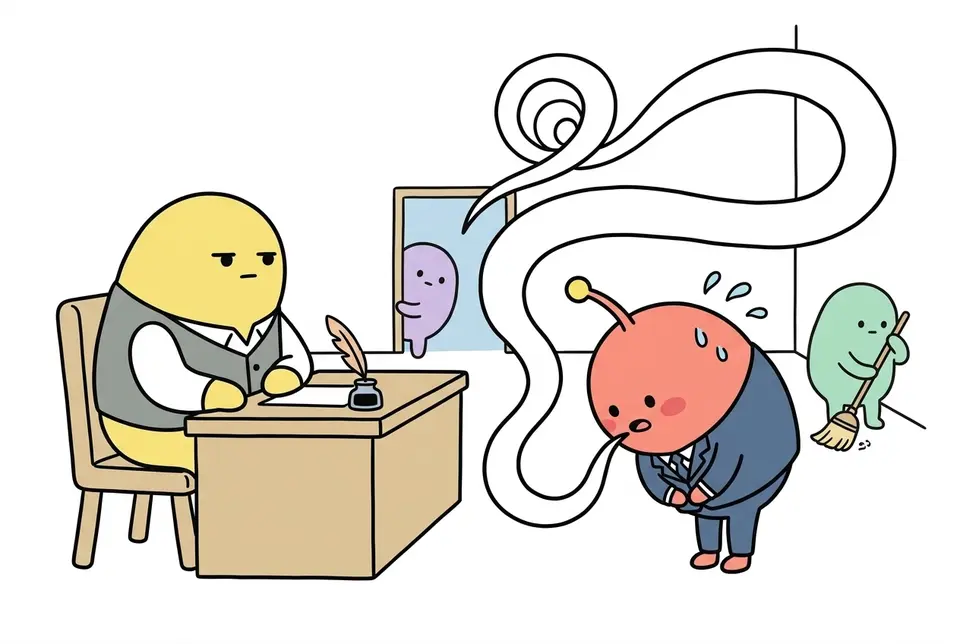 Keigo (honorific language)Keigo is a system of showing respect for the person you talk to, or the person you talk about, through the form of your …
 Osewa ni natte orimasuOsewa ni natte orimasu is a set greeting used at the start of emails or calls to people outs…
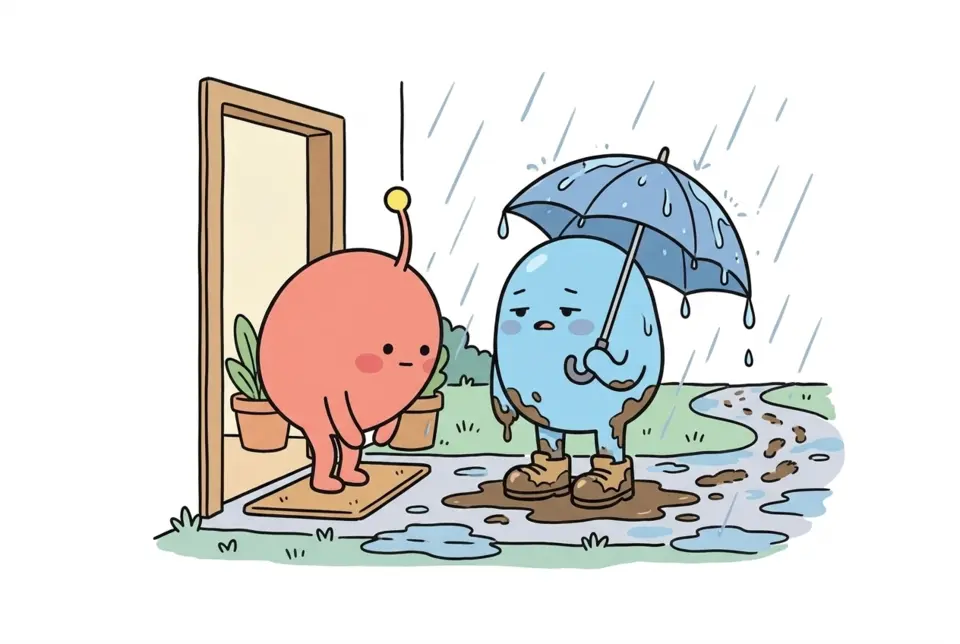 GosokuroGosokuro is a polite Japanese word for thanking, or saying sorry to, someone who took the trouble to come.
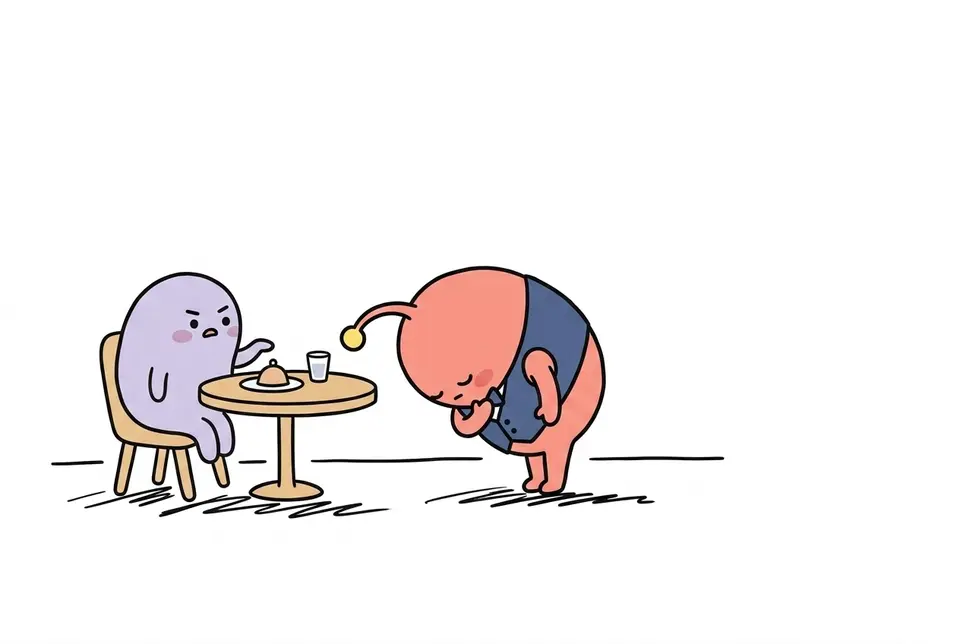 Kashikomarimashita
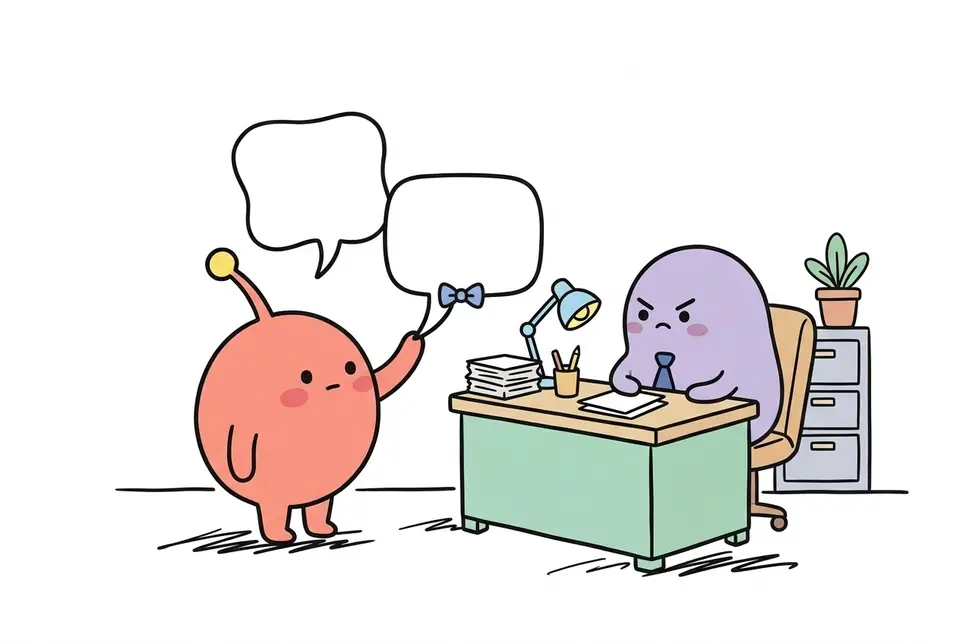 Ryokai and shochiRyokai and shochi both mean understanding and accepting what someone says. At work, shochi i…
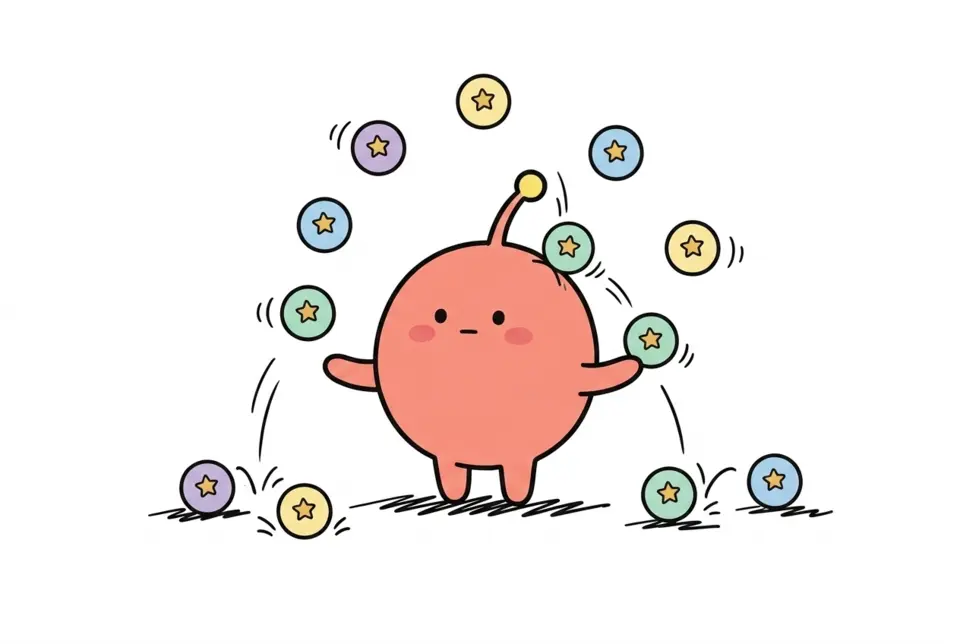 PriorityPriority means the order of what comes first.
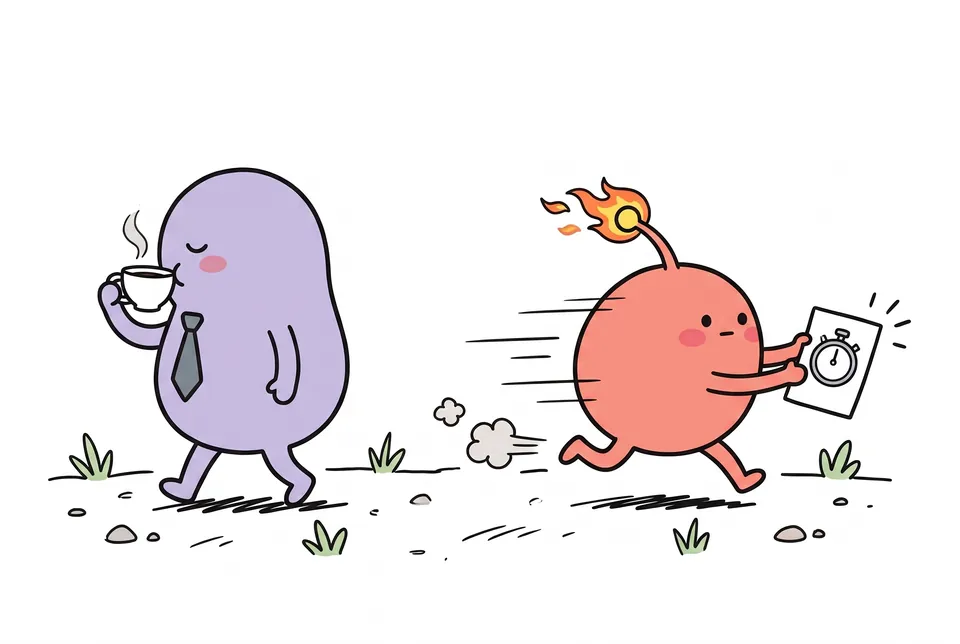 ASAPQ. What does ASAP mean?
A. ASAP does not give a real deadline. For important work, write the ex…
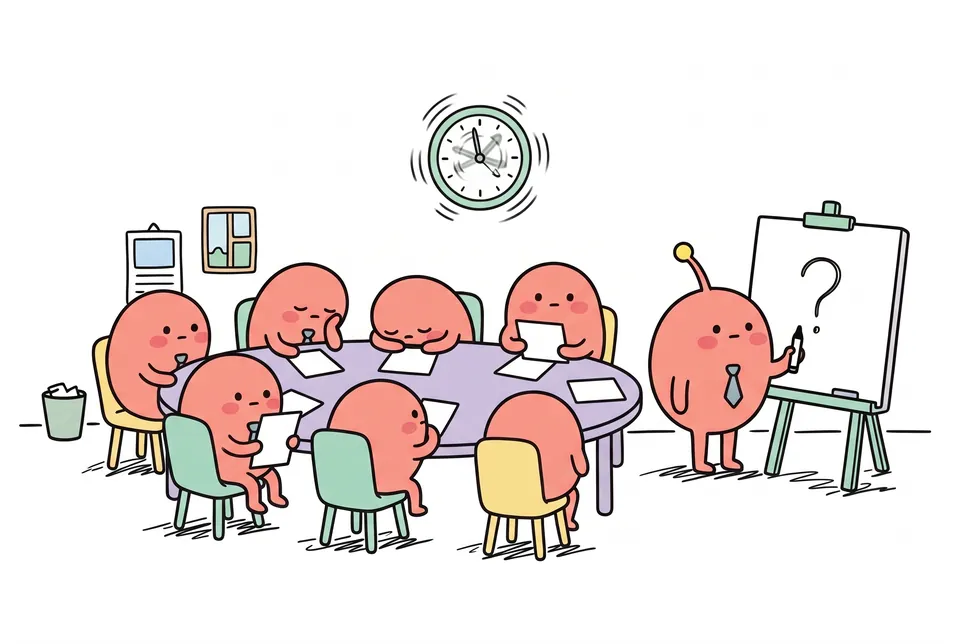 AgendaQ. Where does the word agenda come from?
A. An agenda is not the notes of the meeting. The agenda comes before t…
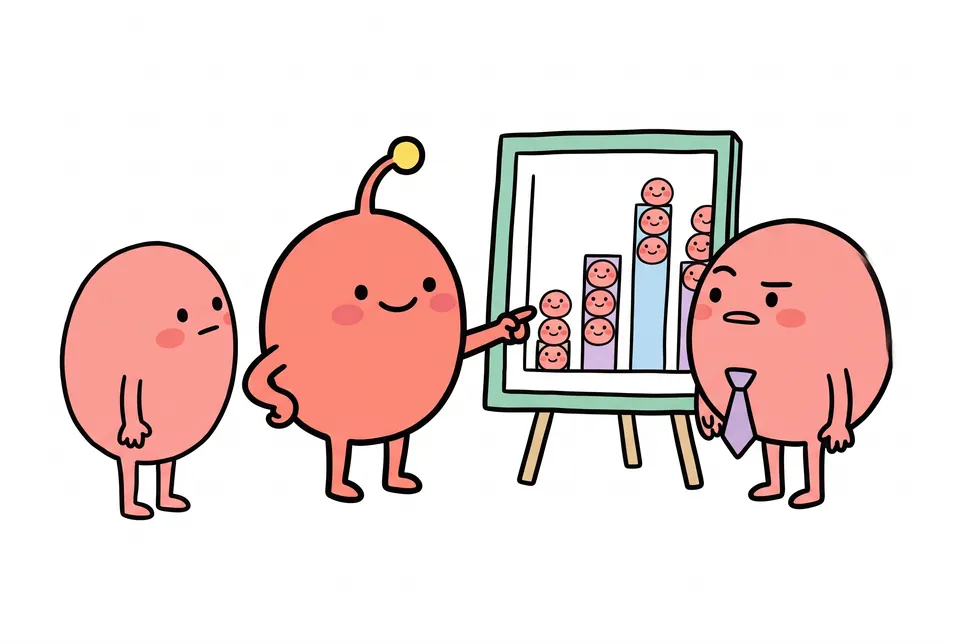 EvidenceEvidence is the proof that backs up a claim or decision. At work it means documents, data or…
 Commit (as a work word)In Japanese offices, “commit” means making a firm promise to reach a goal or result.
 Resuke (reschedule)Resuke means rearranging a plan that was already set.
 MTGMTG is a written abbreviation of “meeting,” used in schedules, emails and notes.
Source (in Japanese): Wikipediaで「尊敬語と謙譲語」を調べる