ELI5
Explain it like I’m five了解と承知(りょうかいとしょうち)What are ryokai and shochi?
日本語English
In one lineRyokai and shochi both mean understanding and accepting what someone says. At work, shochi is thought to be the safe choice with senior people.
“Ryokai” and “shochi” both mean “I understand.” But at work, some people feel “ryokai shimashita” is rude to say to someone senior. So with bosses and clients, “shochi shimashita” is the safe choice. Some say ryokai never had a rude meaning. They say the idea just spread as a manners rule. With coworkers and friends, “ryokai desu” is fine. Not sure? Say “shochi shimashita.” It is a reply that offends no one.
In JapanThis is a well-known business-manners debate in Japan.
Common mix-upRyokai was not a rude word to begin with. But some people mind it, so shochi is safer with seniors.
Words to know / 単語メモ
- understand
- わかる
- rude
- 失礼な
- safe choice
- 無難
- offend
- 角が立つ
Your turn
Did you know this word?
Tap to see what everyone said.
Related words
 Osewa ni natte orimasuOsewa ni natte orimasu is a set greeting used at the start of emails or calls to people outs…
 GosokuroGosokuro is a polite Japanese word for thanking, or saying sorry to, someone who took the trouble to come.
 GokyojiGokyoji is a respectful word for having someone show or tell you knowledge or a method. In b…
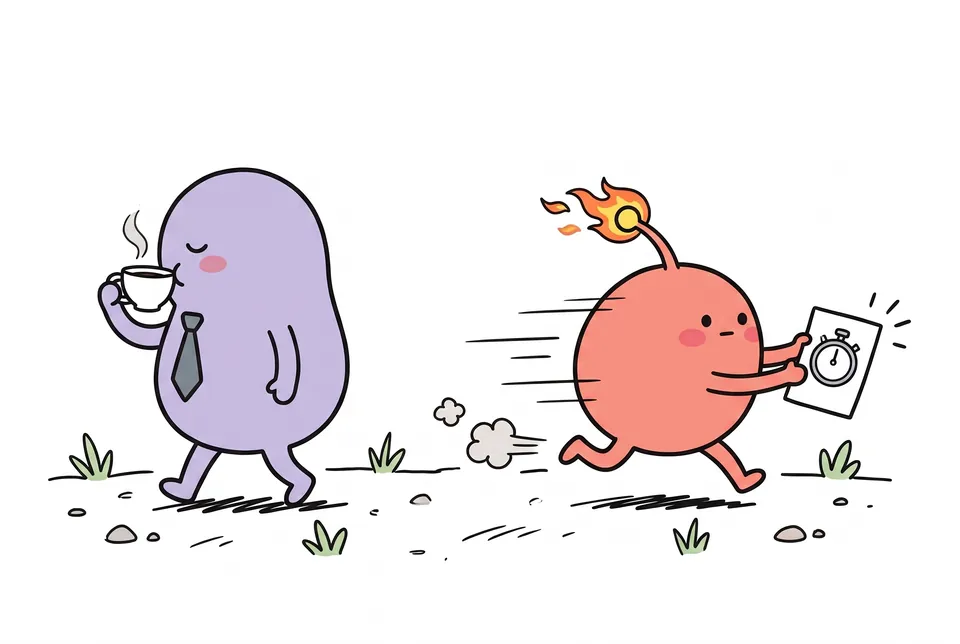 ASAPQ. What does ASAP mean?
A. ASAP does not give a real deadline. For important work, write the ex…
 Kashikomarimashita
 Sonkeigo and kenjogoSonkeigo and kenjogo are types of Japanese honorifics. Sonkeigo raises the other person’s ac…
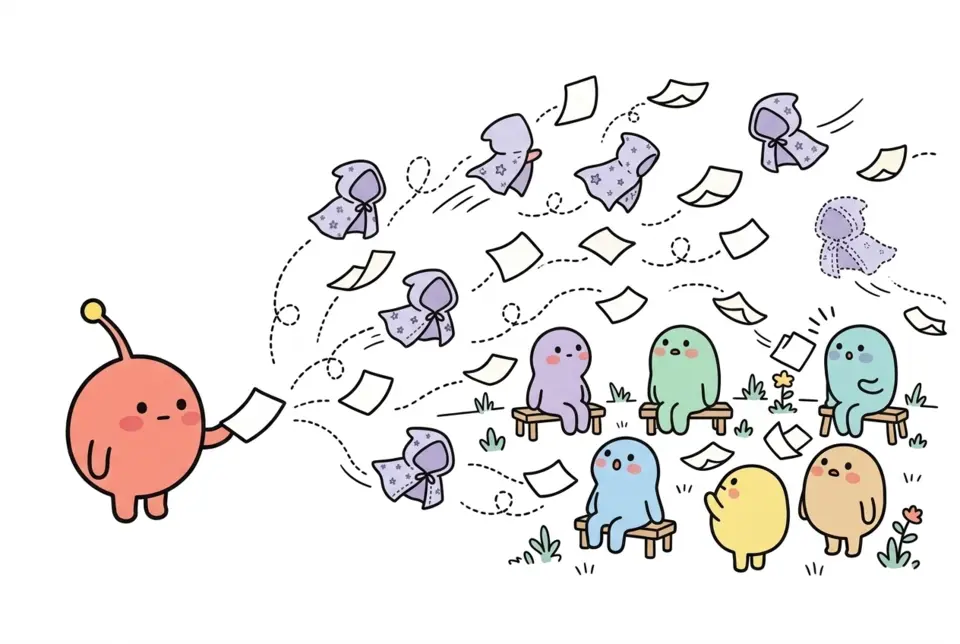 CC and BCCCC and BCC are boxes in an email for people you want to share it with, besides the main “To” person.
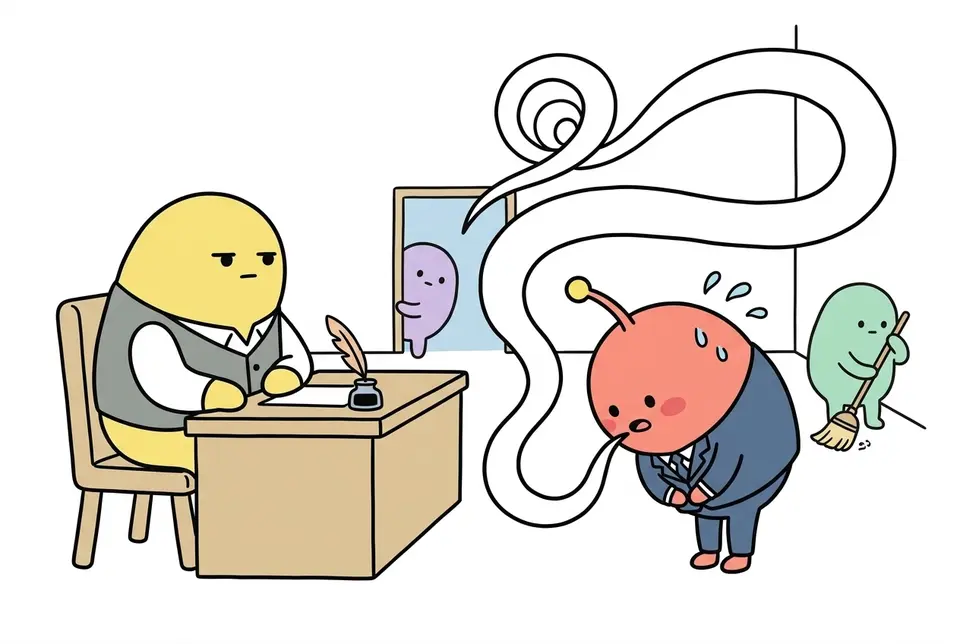 Keigo (honorific language)Keigo is a system of showing respect for the person you talk to, or the person you talk about, through the form of your …
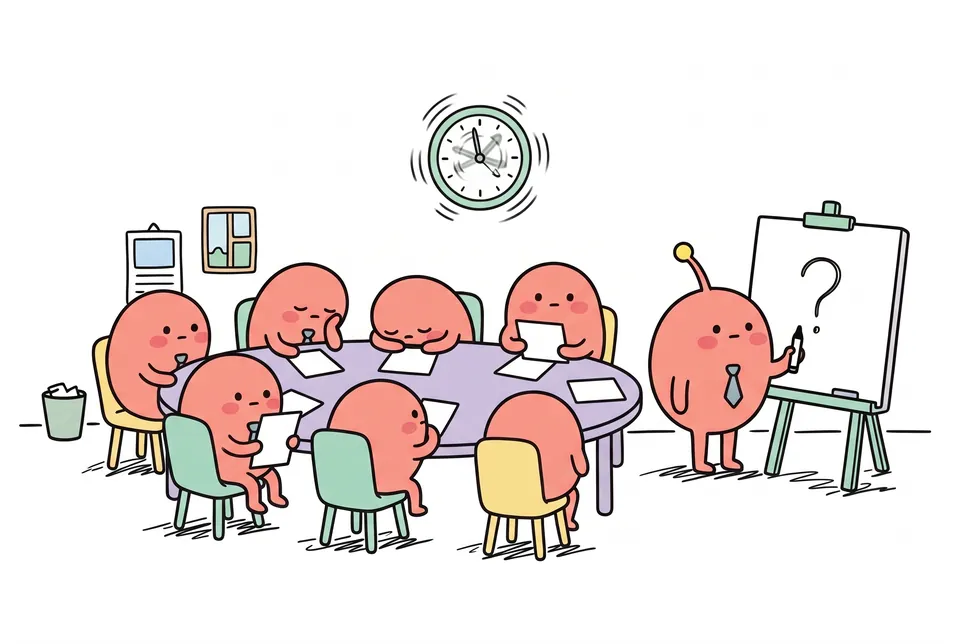 AgendaQ. Where does the word agenda come from?
A. An agenda is not the notes of the meeting. The agenda comes before t…
 EvidenceEvidence is the proof that backs up a claim or decision. At work it means documents, data or…
 Commit (as a work word)In Japanese offices, “commit” means making a firm promise to reach a goal or result.
 Resuke (reschedule)Resuke means rearranging a plan that was already set.
Source (in Japanese): Wikipediaで「了解と承知」を調べる