ELI5
Explain it like I’m five前方後円墳(ぜんぽうこうえんふん)What is a keyhole tomb?
日本語English
In one lineA keyhole tomb is a keyhole-shaped burial mound joining a square front section and a round back section. In the Kofun period they were built as tombs for great kings and powerful local leaders.
A keyhole tomb, “zenpo-koen-fun,” is a grave shaped like a keyhole, with a square part joined to a round part. From about the third century, they were built all over Japan, as graves for great kings and local leaders. The name means “square in front, round in back.” Daisen Kofun in Sakai, Osaka, is the largest in Japan. It is over 400 meters long, and from the ground it looks like a forest. In 2019, a group of tombs in Osaka became a World Heritage Site. From the ground, it is just a hill. The keyhole is a treat for the birds.
- grave
- お墓
- keyhole
- カギ穴
- square
- 四角
- round
- 丸い
- World Heritage Site
- 世界遺産
Your turn
Did you know this word?
Tap to see what everyone said.
Related words
 Jomon potteryJomon pottery is clay pots made and fired by people of the Jomon period.
 DoguQ. Are dogu and haniwa the same?
A. Dogu and haniwa are not the same. Dogu are Jomon-period figures, whi…
 HaniwaQ. Are most haniwa shaped like people?
A. They are not mostly human-shaped. The most numerous kind is the tube…
 Himiko
 Kinkaku and GinkakuKinkaku and Ginkaku are Muromachi-period pavilions in Kyoto. Kinkaku is at Ashikaga Yoshimit…
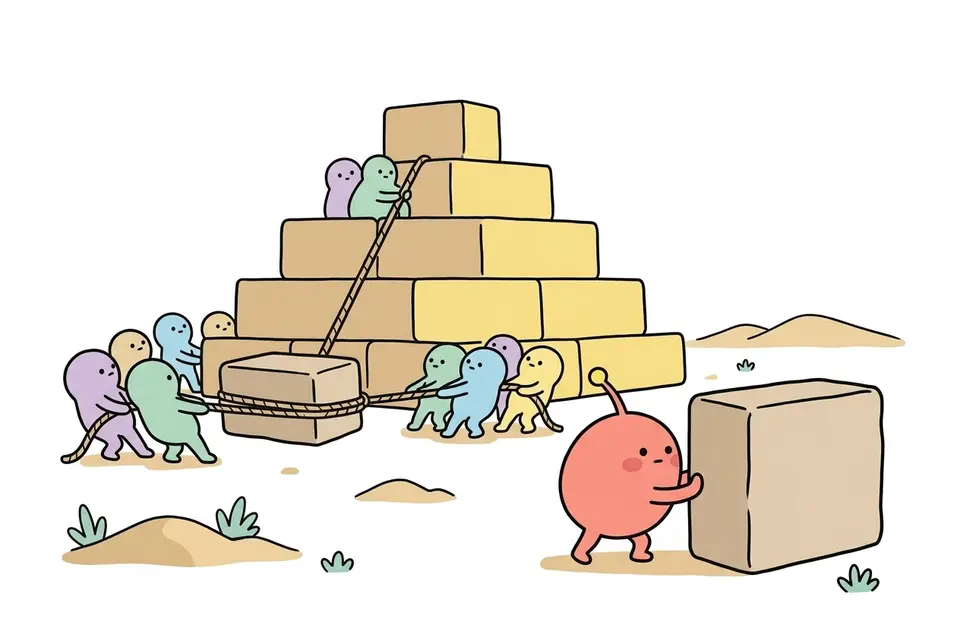 PyramidsThe pyramids are huge square-based stone structures built mainly as royal tombs in ancient E…
 Gengo (era names)A gengo is a name for years counted from a certain year. In Japan it began with Taika, and s…
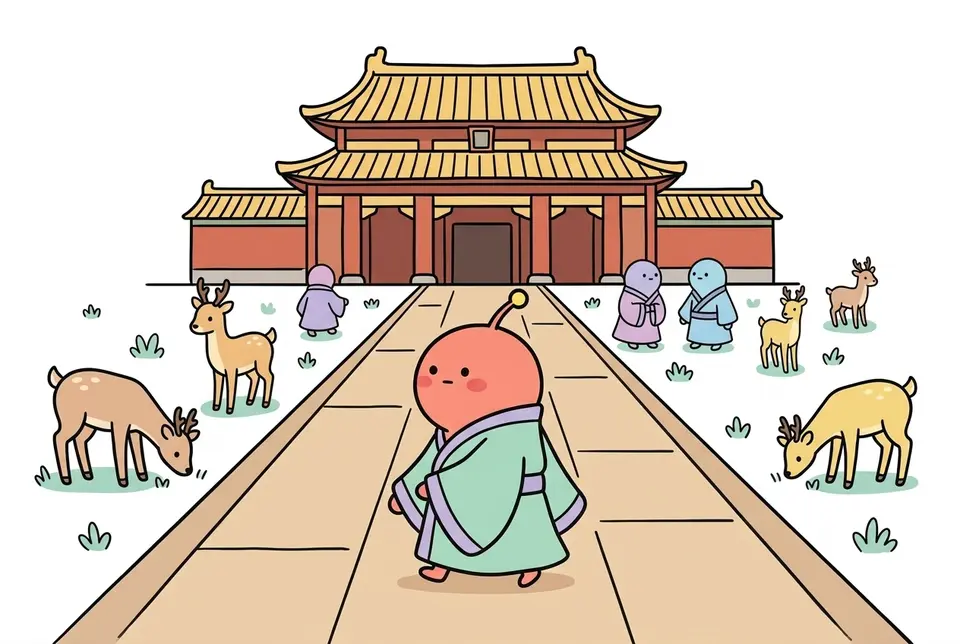 Heijo-kyo
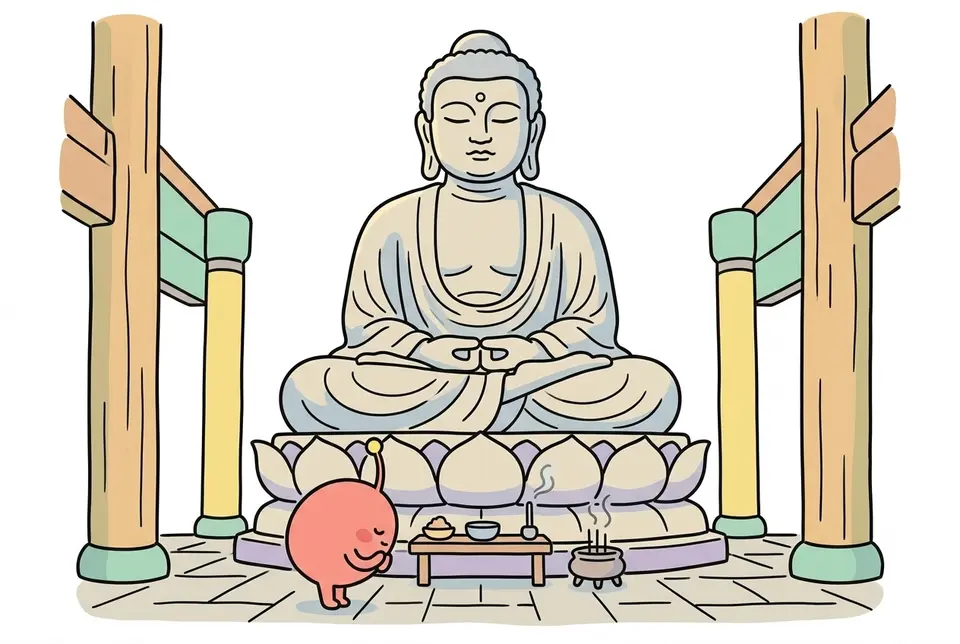 Great Buddha of Nara
Source (in Japanese): Wikipediaで「前方後円墳」を調べる