ELI5
Explain it like I’m fiveハッシュ化(はっしゅか)What is password hashing?
日本語English
In one linePassword hashing turns a password into a fixed-length string of symbols (a hash) with a set math recipe. It can’t be turned back, so sites store the hash instead of the password.
Many people think hashing means locking a password with a secret code. But a code has a key that opens it again. Hashing has no key. It mixes the letters with a fixed math recipe. Out comes a jumble of symbols, always the same length. The same password always makes the same jumble. So the website just checks if the two jumbles match. It is like orange juice. You can’t turn it back into an orange. But short passwords can still be guessed, one try at a time. The weakest part is not the math. It is “1234.”
- one-way
- 一方向の
- recipe
- 手順・レシピ
- match
- 一致する
- guess
- 推測する
- leak
- 流出する
- salt
- ソルト(足す文字列)
Go deeper
How does a site check it’s you?
A hash function squeezes any input, short or long, into a string of a fixed length. The same input always gives the same hash, but working backward from the hash is extremely hard. So a website keeps only the hash. When you log in, it hashes what you typed and compares the two. Even people inside the company can’t see your actual password.
Salting and stretching
The weak spot is a precomputed list: attackers hash common passwords in advance and look for matches. IPA’s guide to secure websites recommends adding a different random string, a salt, to each password before hashing. Identical passwords then produce different hashes. Hashing over and over on purpose to slow down guessing is called stretching.
Why it shows up in breach news
After an October break-in at the e-book store Comic Cmoa, its operator NTT Solmare said email addresses and hashed passwords were among the leaked data. On November 20 it reopened purchases and asked users who reuse the same email and password elsewhere to change them there. Hashing buys time; not reusing passwords is the real fix.
How people use it
- “We store your password only as a salted hash.”
- “Even if it was hashed, change it if you reused it.”
Questions people ask
- If hashed passwords leak, am I safe?
- Safer than plain text, but short or common passwords can be found by hashing guesses and comparing. If you used the same password elsewhere, change it there too.
- What is a salt?
- A salt is a random string added to each user’s password before hashing. The same password then gives different hashes, so ready-made answer tables don’t work. Japan’s IPA recommends storing salted hashes.
- Does the company know my password?
- If it stores only hashes, no. It hashes what you type at login and checks if it matches. That is why “forgot password” gives you a reset, not your old password.
Sources:IPA: How to Secure Your Web Site (in Japanese)、NTT Solmare press release, Nov 20 2026 (in Japanese)、Impress Watch, Oct 22 2026 (in Japanese)
Your turn
Do you reuse passwords?
Tap to see what everyone said.
Related words
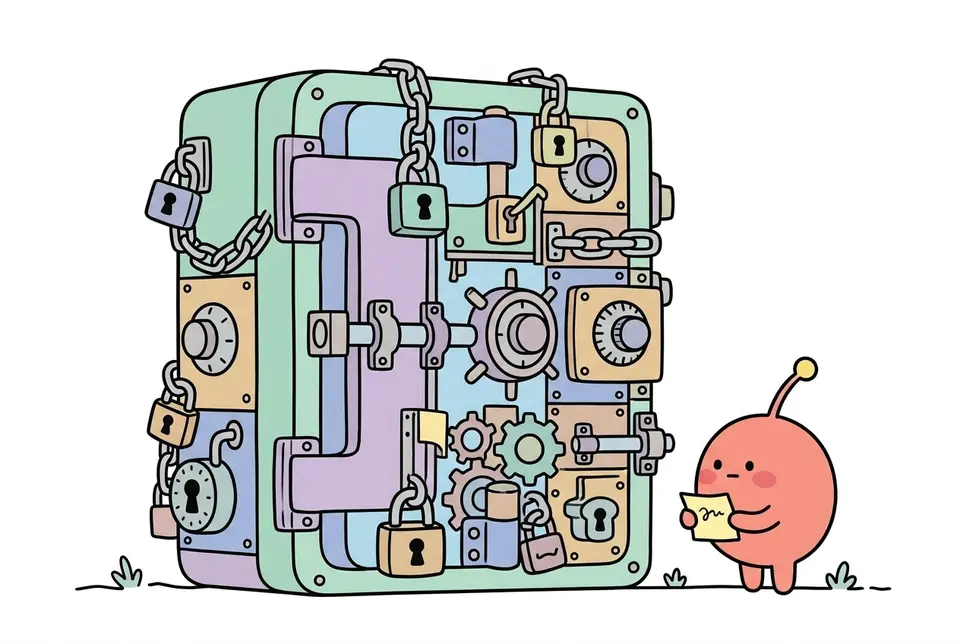 PasswordQ. Is a short password safe if it has symbols?
A. Adding symbols does not make a short password safe. Length, and not …
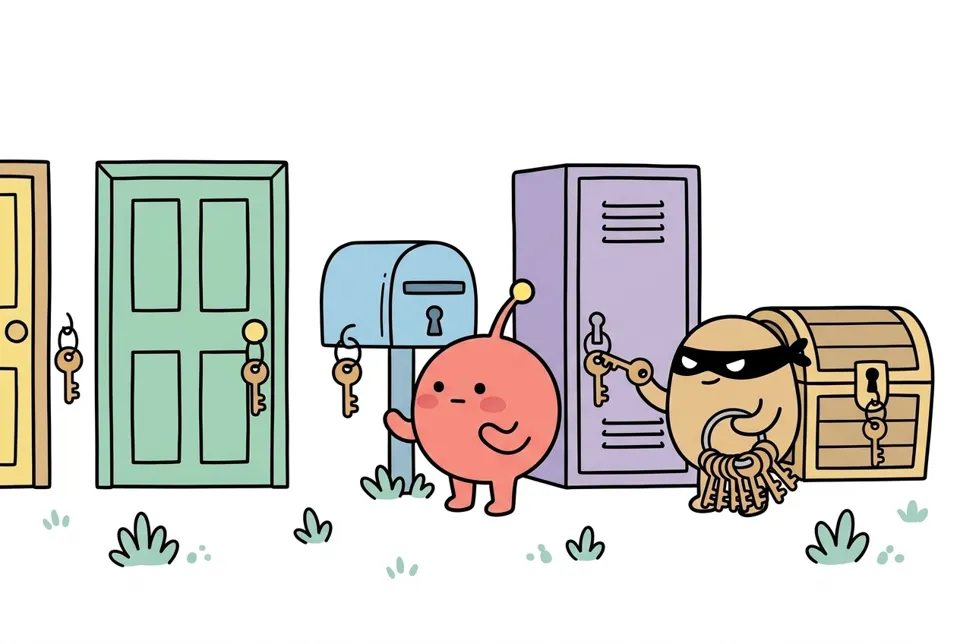 Credential stuffing (password list attack)
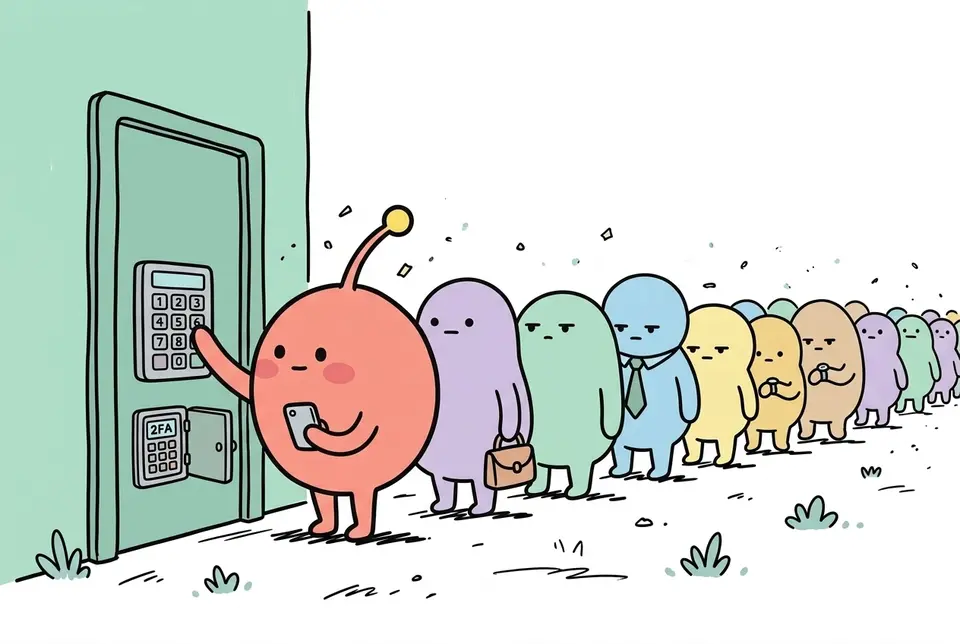 Two-step verification
 Supply chain attack
 nginxnginx (“engine x”) is free software that runs on web servers. It takes requests from visitor…
 Test environmentMany people think a test environment is just a free trial.
 Network outageA network outage is when phone calls or the internet stop working, or work badly.
 Fugaku (supercomputer)Q. Where is Fugaku?
A. Fugaku is not one big PC. It is 158,976 small computers in 432 racks…
 F-15EXThe F-15EX is a new U.S. Air Force fighter jet that replaces the F-15. It has advanced elect…
 BeRealBeReal is a photo app from France.
 setlogsetlog is a phone app from a Korean company for making a daily video diary with friends.
 TikTok
Source (in Japanese): IPA「安全なウェブサイトの作り方」