ELI5
Explain it like I’m five御恩と奉公(ごおんとほうこう)What were go-on and hoko?
日本語English
In one lineGo-on and hoko was the lord-and-vassal bond between the shogun and the gokenin in the Kamakura period. The shogun protected and granted land, and the gokenin served in war and guard duty.
Go-on and hoko were the deal between the shogun and his warrior vassals, the gokenin, in the Kamakura period. The shogun protected the gokenin's land. He gave new land as a reward for good service. This was go-on, “favor.” In return, the gokenin fought with their lives when war came. They also guarded Kyoto and Kamakura. This was hoko, “service.” The phrase “iza Kamakura,” meaning “now, to Kamakura!”, comes from this. But after the wars with the Yuan, there was almost no land to give out. Anger spread. The deal only worked if there was land.
- vassal
- 家来
- warrior
- 武士
- protect
- 守る
- in return
- お返しに
- loyalty
- 忠誠心
Your turn
Did you know this word?
Tap to see what everyone said.
Related words
 Sengoku daimyoQ. Did all Sengoku daimyo come from noble families?
A. Not all of them came from noble families. Some grew out of old provi…
 Sankin-kotaiSankin-kotai was an Edo-period system where lords, the daimyo, went back and forth between Edo and their own lands every…
 Gengo (era names)A gengo is a name for years counted from a certain year. In Japan it began with Taika, and s…
 Jomon potteryJomon pottery is clay pots made and fired by people of the Jomon period.
 DoguQ. Are dogu and haniwa the same?
A. Dogu and haniwa are not the same. Dogu are Jomon-period figures, whi…
 HaniwaQ. Are most haniwa shaped like people?
A. They are not mostly human-shaped. The most numerous kind is the tube…
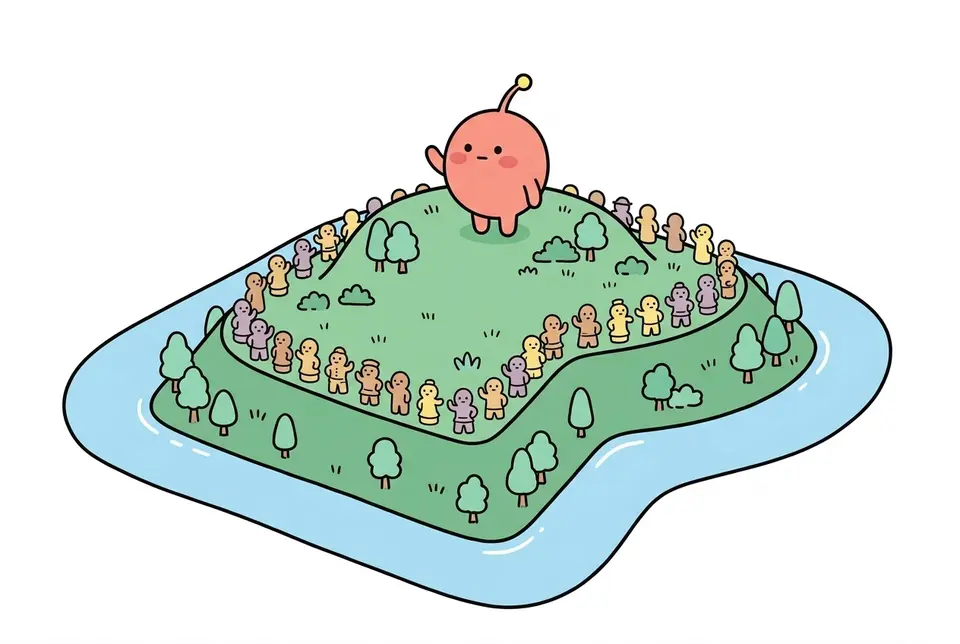 Keyhole tombA keyhole tomb, “zenpo-koen-fun,” is a grave shaped like a keyhole, with a square part joined to a round part.
 Himiko
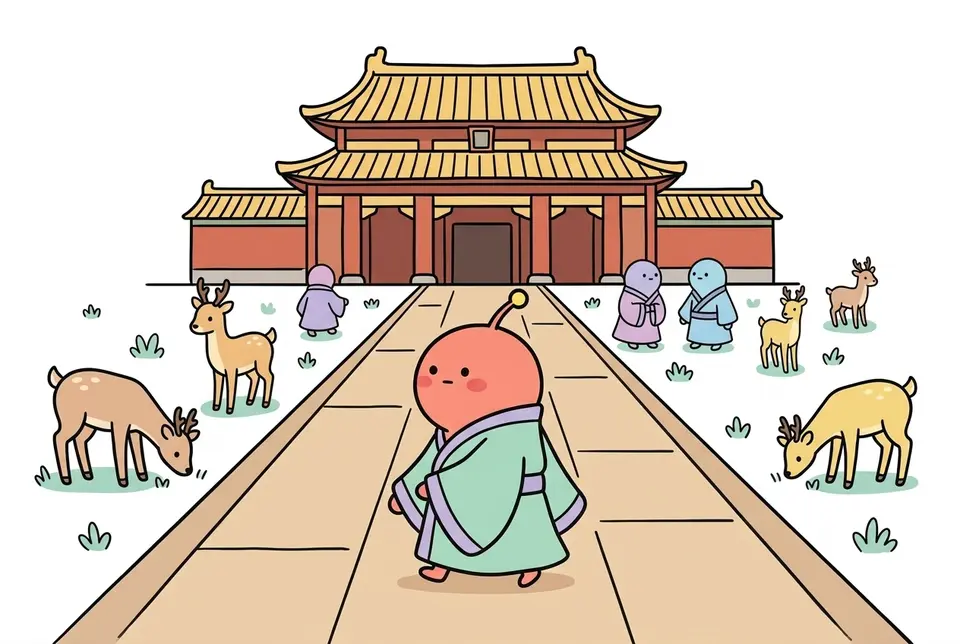 Heijo-kyo
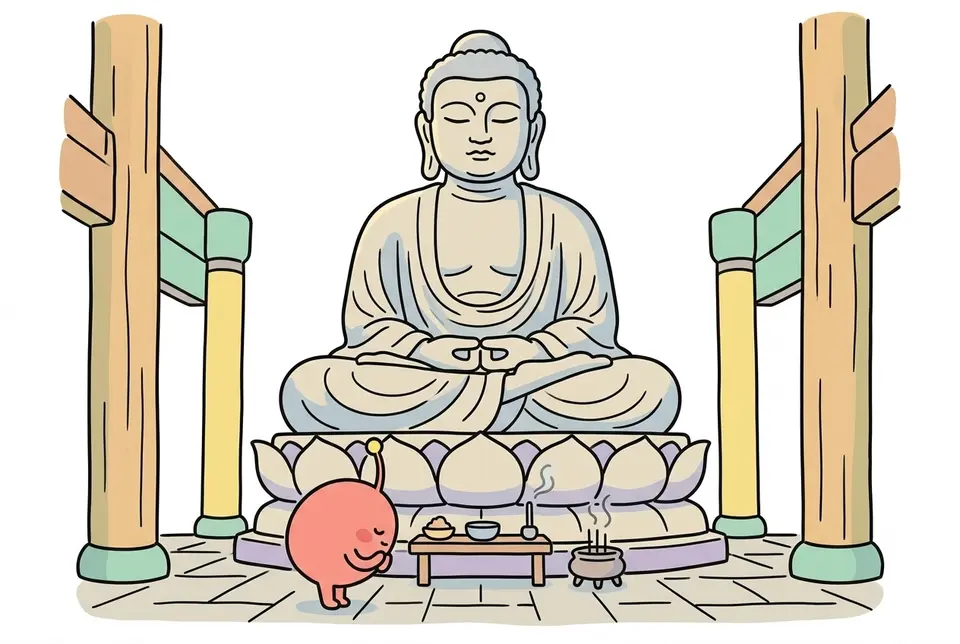 Great Buddha of Nara
Source (in Japanese): Wikipediaで「御恩と奉公」を調べる