ELI5
Explain it like I’m five非課税(ひかぜい)What does tax-exempt mean?
日本語English
In one lineTax-exempt means that, by law, certain income or deals that could be taxed are not. Examples include part of commuting allowances and profits in NISA accounts.
Tax-exempt means the law says a certain kind of money or deal is not taxed. For example, the commuting allowance from your company is free of income tax up to a set amount. Unemployment benefit and survivors’ pensions are also tax-free. Profits made inside a NISA account are tax-free within set limits. Even consumption tax skips some things, like buying land or medical care covered by insurance. Each exemption exists for a reason. A deal that is tax-free for no reason is usually a trap.
- exempt
- 免除された
- commuting allowance
- 通勤手当
- survivors’ pension
- 遺族年金
- account
- 口座
- trap
- 罠
Your turn
Did you know this word?
Tap to see what everyone said.
Related words
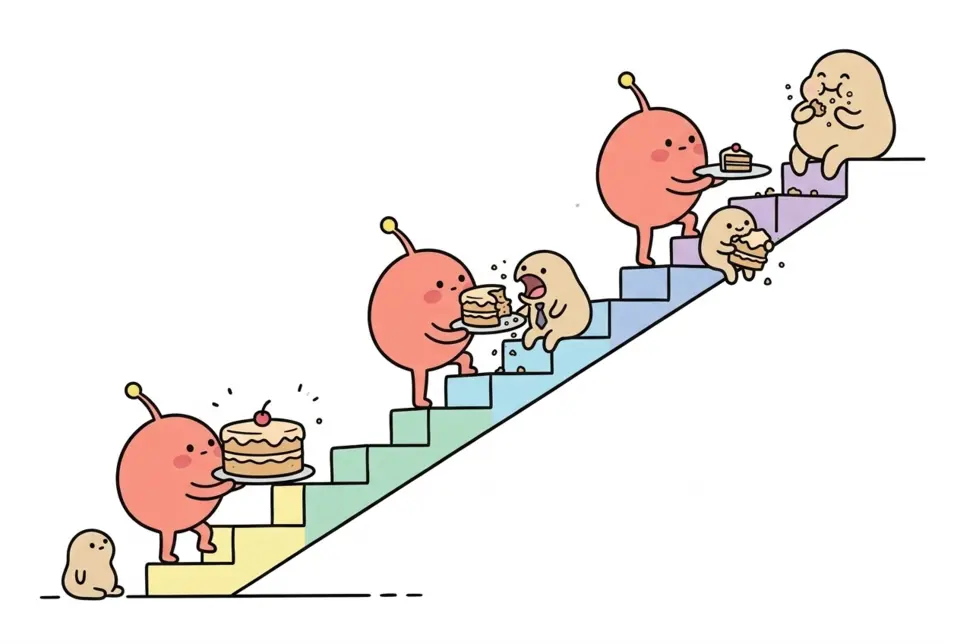 Income taxIncome tax is a national tax on a person’s income for one year. It is progressive, so the ra…
 Resident taxResident tax is a tax you pay to your prefecture and your city.
 Take-home pay (tedori)
 Tax deduction (kojo)A tax deduction is an amount you take off your income before tax is worked out.
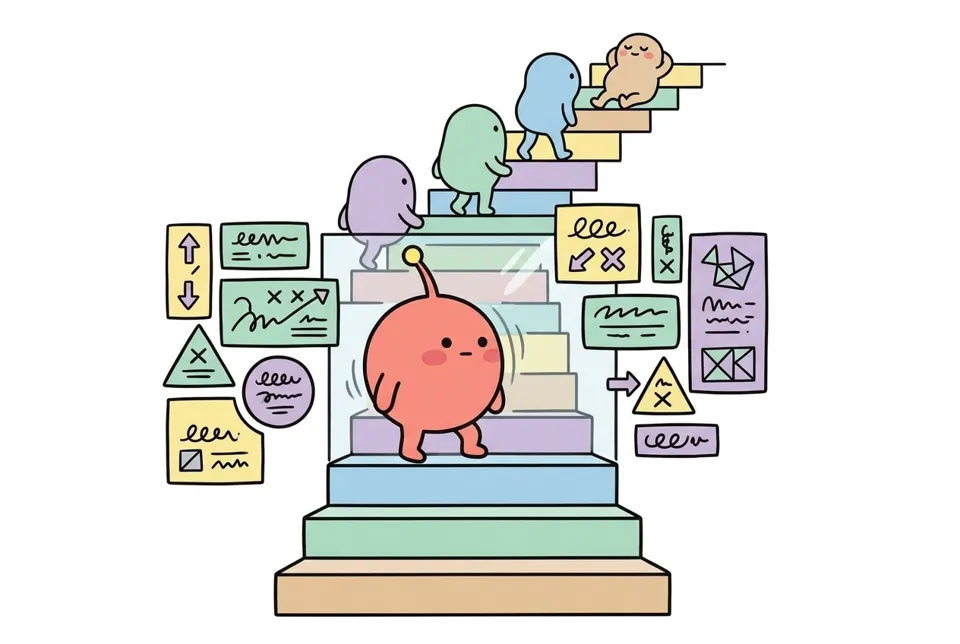 Income wall (nenshu no kabe)The income wall (nenshu no kabe) is a nickname for yearly income levels where tax or social …
 Disposable incomeDisposable income is personal income minus income and residence taxes and social insurance f…
 Tax withholdingTax withholding is a system where whoever pays wages takes income tax and other taxes out fi…
 Tax breaks for home helpMany people think babysitters and house cleaners are only for rich families.
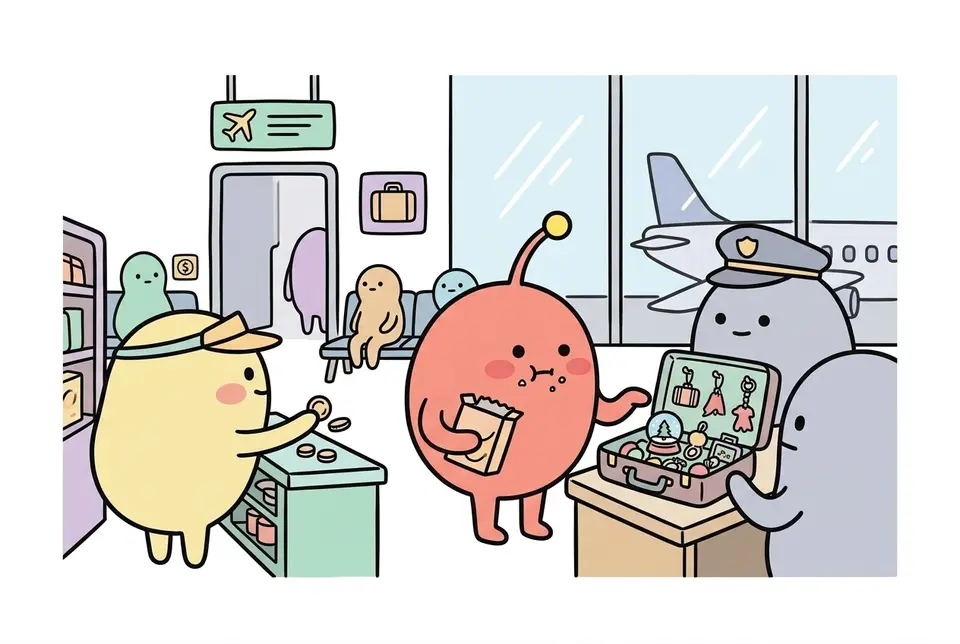 Japan’s tax-free refund system
 iDeCoQ. Can I take out iDeCo money any time?
A. It is not savings you can take out any time. In principle you can’t …
 Consumption taxConsumption tax is a tax you pay when you buy things or use services.
 Reduced tax rate
Source (in Japanese): Wikipediaで「非課税」を調べる