ELI5
Explain it like I’m five手取り(てどり)What is tedori?
日本語English
In one lineTedori is take-home pay: the amount you actually receive after income tax, resident tax and social insurance are deducted.
Tedori is the money you actually get after taxes and social insurance are taken out of your pay. The amount before that is called gakumen, the gross amount. For company workers, income tax, resident tax, health insurance and pension are taken out automatically. Take-home pay is usually about 75 to 85% of the gross. A job ad saying “250,000 yen a month” usually means gross. Plan your rent and savings with take-home pay. If you expect 250,000 yen in your account, your first payday is a little surprise.
Common mix-upMonthly pay in job ads is not take-home. It is usually gross, before deductions.
Words to know / 単語メモ
- take-home pay
- 手取り
- gross
- 額面
- insurance
- 保険
- pension
- 年金
- payday
- 給料日
Your turn
Did you know this word?
Tap to see what everyone said.
Related words
 Resident taxResident tax is a tax you pay to your prefecture and your city.
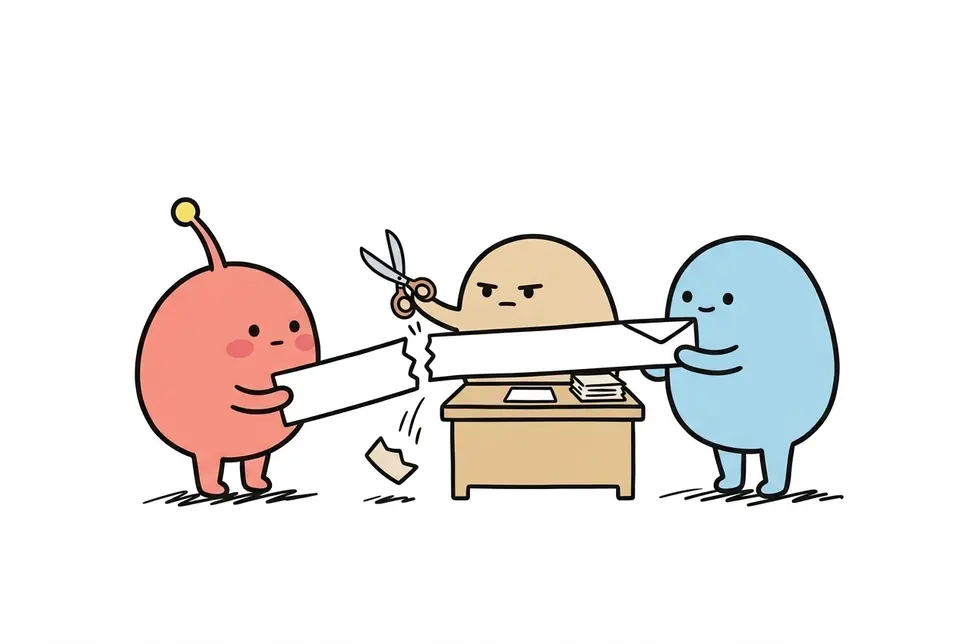 Tax withholdingTax withholding is a system where whoever pays wages takes income tax and other taxes out fi…
 Income taxIncome tax is a national tax on a person’s income for one year. It is progressive, so the ra…
 Tax deduction (kojo)A tax deduction is an amount you take off your income before tax is worked out.
 Year-end tax adjustment (nenmatsu chosei)
 Pay slipA pay slip shows the details of your monthly pay.
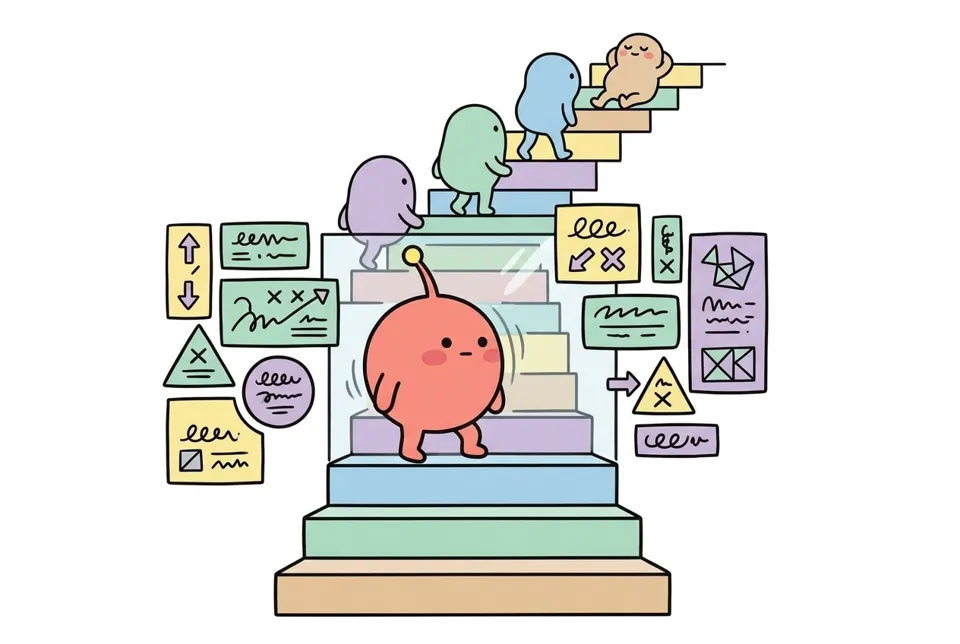 Income wall (nenshu no kabe)The income wall (nenshu no kabe) is a nickname for yearly income levels where tax or social …
 Employees’ pension (kosei nenkin)Kosei nenkin is the public pension for company workers and public servants in Japan.
 Disposable incomeDisposable income is personal income minus income and residence taxes and social insurance f…
 Tax-exempt
 Social insurance
 Tax breaks for home helpMany people think babysitters and house cleaners are only for rich families.
Source (in Japanese): Wikipediaで「手取り」を調べる