ELI5
Explain it like I’m five年収の壁(ねんしゅうのかべ)What is the income wall?
日本語English
In one lineThe income wall (nenshu no kabe) is a nickname for yearly income levels where tax or social insurance costs begin, which can lower take-home pay.
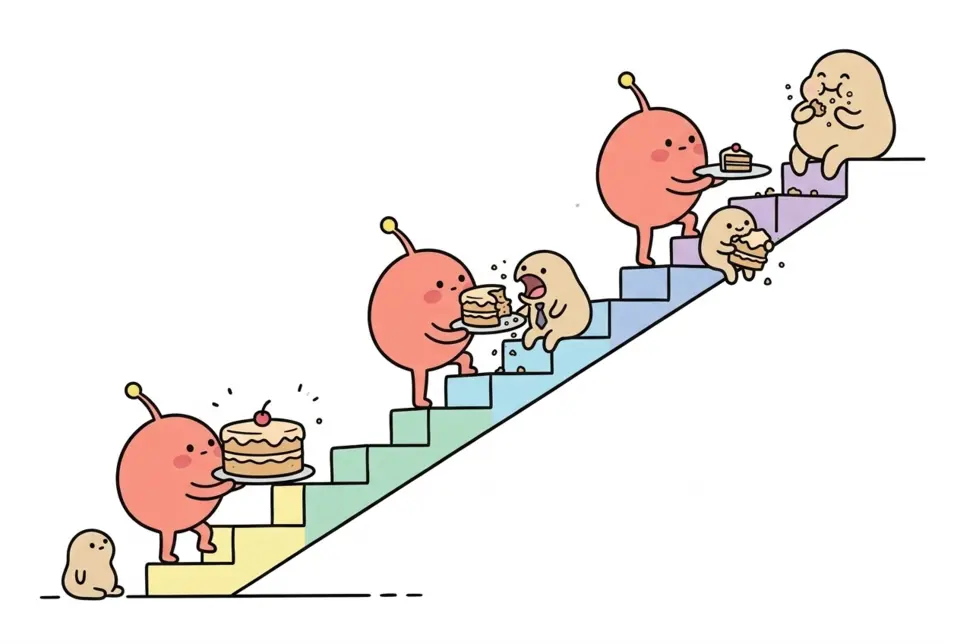
The income wall is a line in yearly pay where tax or social insurance starts to kick in. Cross it, and your take-home pay can suddenly drop. In Japan, part-time workers often talk about walls like 1.03 million, 1.06 million and 1.3 million yen. Past a wall, you may leave a family member’s coverage and pay your own insurance. So near the end of the year, some people cut their hours on purpose. The rules have been under review in recent years. Shops are short of staff in December. The people who want to work are busy not working.
- yearly pay
- 年収
- take-home pay
- 手取り
- part-time worker
- パート・アルバイト
- coverage
- 扶養・保障
- on purpose
- わざと
Your turn
Did you know this word?
Tap to see what everyone said.
Related words
 Income taxIncome tax is a national tax on a person’s income for one year. It is progressive, so the ra…
 Resident taxResident tax is a tax you pay to your prefecture and your city.
 Take-home pay (tedori)
 Tax deduction (kojo)A tax deduction is an amount you take off your income before tax is worked out.
 Dependent (fuyo)Q. Are tax fuyo and insurance fuyo the same?
A. Tax fuyo and social insurance fuyo are not the same thing. Each has …
 Employment insurance
 Retirement allowance (taishokukin)Taishokukin is money a company pays you when you leave, as thanks for the years you worked.
 Disposable incomeDisposable income is personal income minus income and residence taxes and social insurance f…
 Tax-exempt
 Tax withholdingTax withholding is a system where whoever pays wages takes income tax and other taxes out fi…
 Tax breaks for home helpMany people think babysitters and house cleaners are only for rich families.
 Japan’s tax-free refund system
Source (in Japanese): Wikipediaで「年収の壁」を調べる