ELI5
Explain it like I’m fiveかな文字(かなもじ)What is kana?
日本語English
In one lineKana are phonetic letters created in Japan from kanji. There is hiragana, made by simplifying kanji in a flowing style, and katakana, made by taking parts of kanji.
Kana are letters born in Japan, based on kanji. Hiragana came from kanji written in a loose, flowing hand. For example, 安 became あ, and 以 became い. Katakana took one part of a kanji. The left side of 阿 became ア, and the left side of 伊 became イ. Kana spread in the Heian period. Hiragana was used for poems and stories. Katakana is said to have spread from notes monks wrote while reading Chinese texts. Japan took Chinese characters and remade them into its own letters. A clever bit of remodeling.
- letter
- 文字
- flowing
- くずした
- poem
- 和歌
- monk
- お坊さん
- character
- 文字
Your turn
Did you know this word?
Tap to see what everyone said.
Related words
 Heian-kyo
 The Tale of GenjiThe Tale of Genji is a long story written by Murasaki Shikibu in the middle of the Heian period.
 The Pillow BookThe Pillow Book is a collection of essays written by Sei Shonagon in the mid-Heian period. I…
 Regency government (Sekkan politics)Regency government (sekkan seiji) was the way the Fujiwara family ruled in the Heian period,…
 Battle of Dan-no-uraQ. Did Minamoto no Yoritomo fight at Dan-no-ura?
A. Minamoto no Yoritomo did not fight there himself. His younger brothe…
 Gengo (era names)A gengo is a name for years counted from a certain year. In Japan it began with Taika, and s…
 Jomon potteryJomon pottery is clay pots made and fired by people of the Jomon period.
 DoguQ. Are dogu and haniwa the same?
A. Dogu and haniwa are not the same. Dogu are Jomon-period figures, whi…
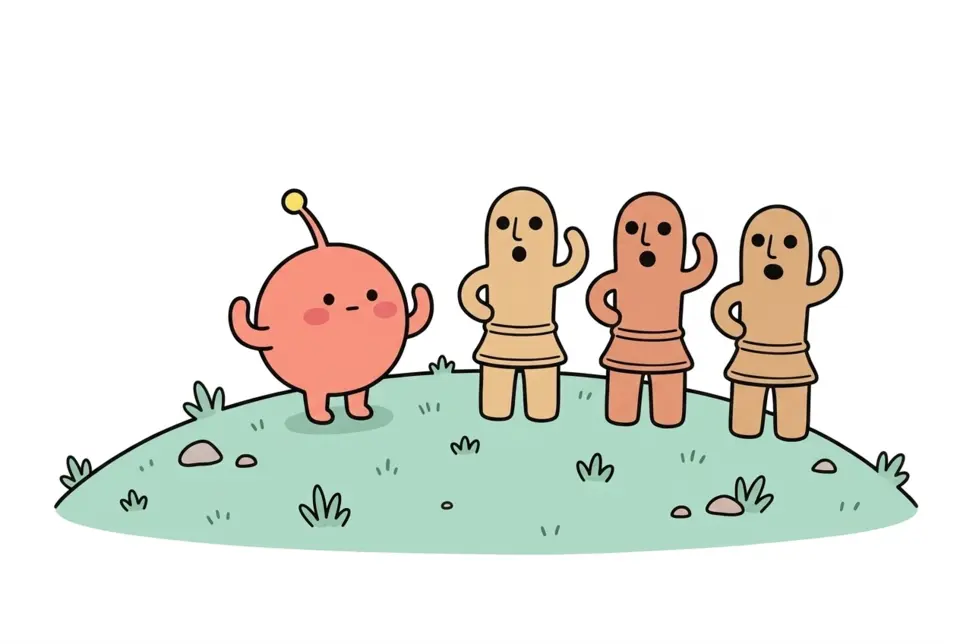 HaniwaQ. Are most haniwa shaped like people?
A. They are not mostly human-shaped. The most numerous kind is the tube…
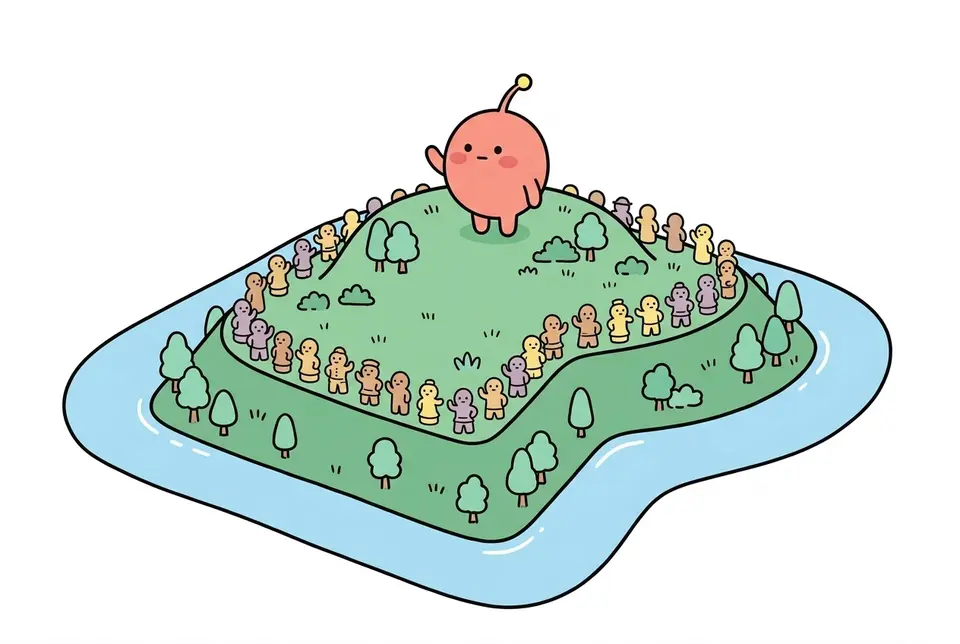 Keyhole tombA keyhole tomb, “zenpo-koen-fun,” is a grave shaped like a keyhole, with a square part joined to a round part.
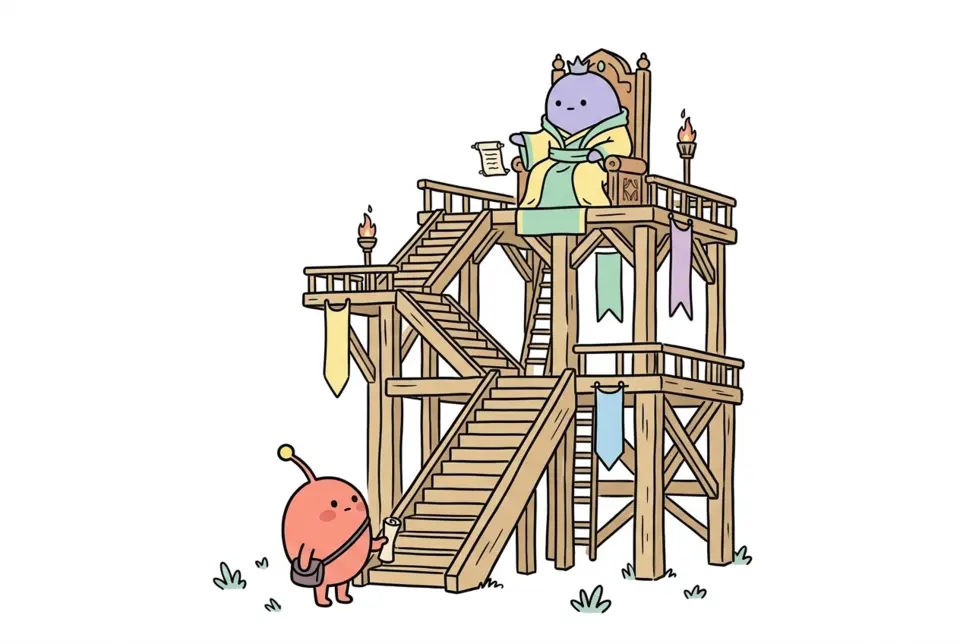 Himiko
Source (in Japanese): Wikipediaで「かな文字」を調べる