ELI5
Explain it like I’m five一所懸命(いっしょけんめい)What does issho kenmei mean?
日本語English
In one lineIssho kenmei means doing something with all your effort. It comes from medieval samurai risking their lives to protect the one piece of land they were given.
Issho kenmei means putting everything you have into one thing. It began as a samurai word around the Kamakura period. “Issho” meant one piece of land. For a samurai, land given by his lord was his whole living. Protecting that one place with his life was issho kenmei. Over time, people said and wrote it a little differently, as “isshou,” meaning “one’s whole life.” The sound is almost the same, so few people noticed. Today that newer form is the common one. The mistake spread harder than the original ever did.
- effort
- 努力
- land
- 土地
- living
- 生計
- protect
- 守る
- original
- 元の
Your turn
Did you know this word?
Tap to see what everyone said.
Related words
 Hogan-biiki (rooting for the underdog)Q. Is it read “hangan-biiki”?
A. It can also be read “hangan-biiki,” but “hogan-biiki” is the usual r…
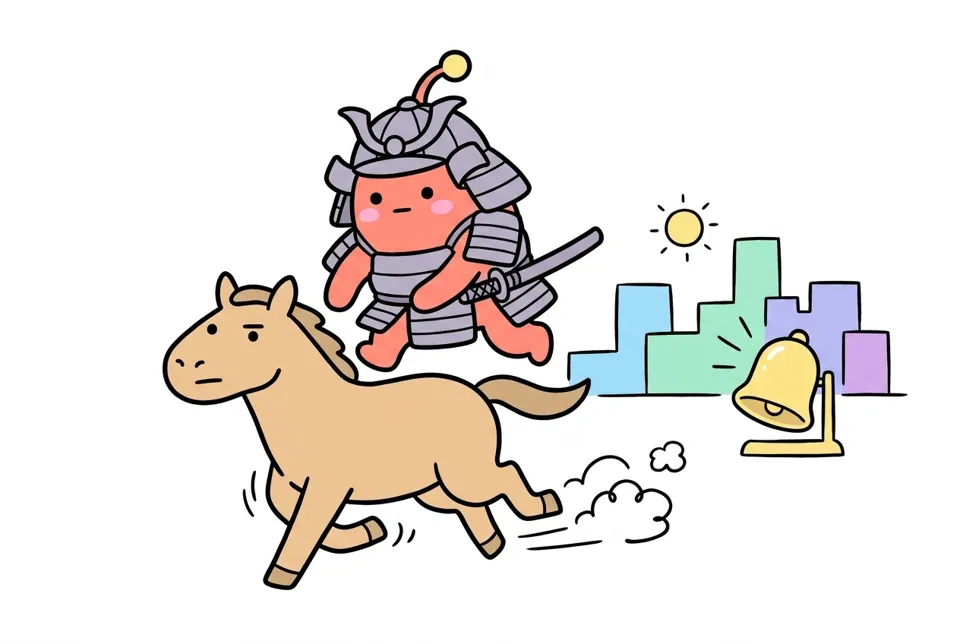 Iza KamakuraIza Kamakura means rushing in to help as soon as something important happens.
 Gengo (era names)A gengo is a name for years counted from a certain year. In Japan it began with Taika, and s…
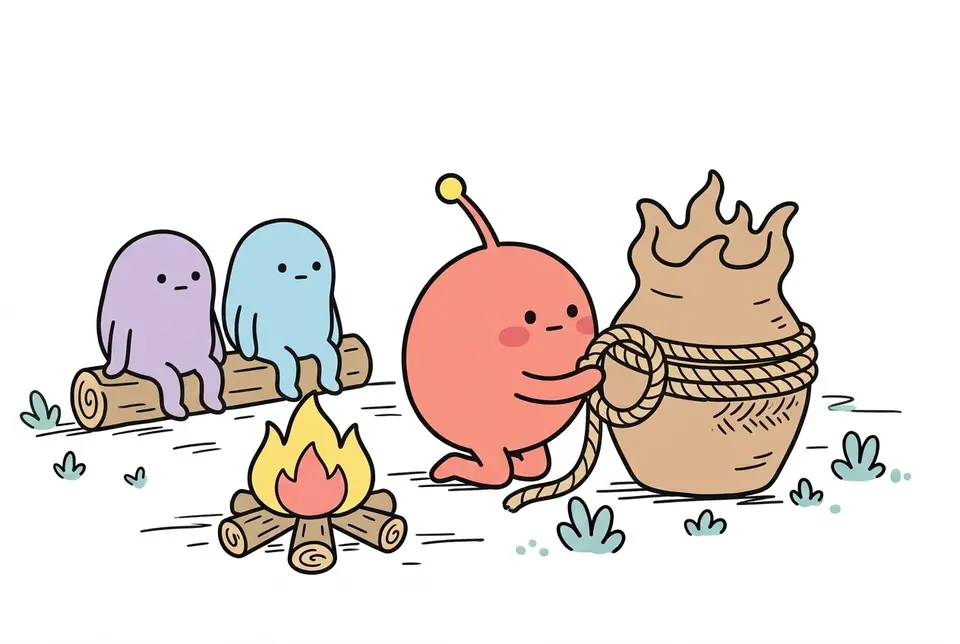 Jomon potteryJomon pottery is clay pots made and fired by people of the Jomon period.
 DoguQ. Are dogu and haniwa the same?
A. Dogu and haniwa are not the same. Dogu are Jomon-period figures, whi…
 HaniwaQ. Are most haniwa shaped like people?
A. They are not mostly human-shaped. The most numerous kind is the tube…
 Keyhole tombA keyhole tomb, “zenpo-koen-fun,” is a grave shaped like a keyhole, with a square part joined to a round part.
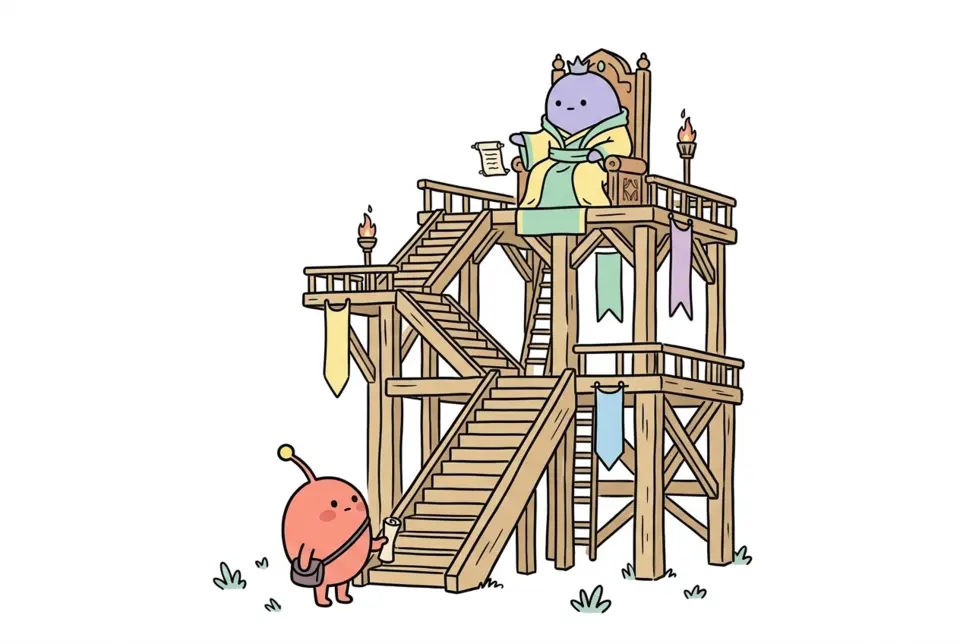 Himiko
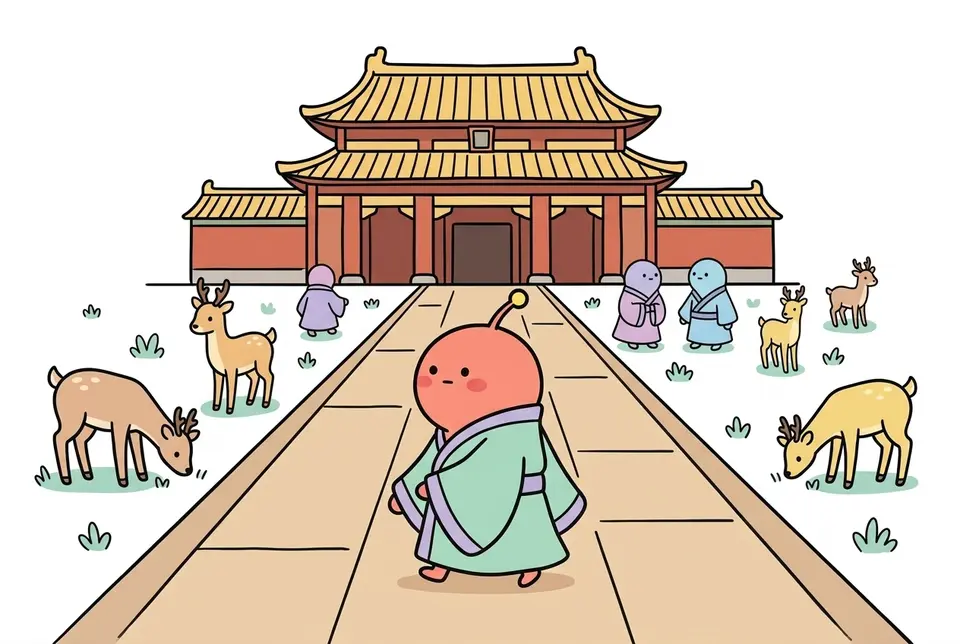 Heijo-kyo
 Great Buddha of Nara
Source (in Japanese): Wikipediaで「一所懸命」を調べる