ELI5
Explain it like I’m five文明開化(ぶんめいかいか)What was bunmei kaika?
日本語English
In one lineBunmei kaika refers to the early Meiji era, when Western culture, systems and lifestyles were eagerly adopted and people's lives and customs changed greatly.
Bunmei kaika, “civilization and enlightenment,” describes the early Meiji era, when Western culture and ways of life poured into Japan. In big cities like Tokyo and Yokohama, brick buildings and gas lamps lined the streets. Trains began to run. More people wore Western clothes. More men cut off their topknots for short “zangiri” hair. Eating beef caught on, and beef hot pot, gyunabe, became a hit. The calendar changed from one based on the moon to the solar calendar. But change came to the cities first. Life in the countryside changed slowly. Fashion travels fast. Habits take the local train.
- civilization
- 文明
- brick
- れんが
- gas lamp
- ガス灯
- topknot
- ちょんまげ
- countryside
- 地方
Go deeper
Fukuzawa spread the word
The phrase bunmei kaika already appears in Yukichi Fukuzawa's Conditions in the West (1866–70), where it explained the English idea of “civilization.” Fukuzawa argued that Western civilization had an outer form, like buildings and machines, and an inner spirit, like independent thinking, and that the spirit mattered more. Thinkers in groups such as the Meirokusha spread new ideas through newspapers and magazines.
What changed, year by year
Telegraph lines went up in 1869. In 1871 mail service started between Tokyo and Osaka, and men were allowed to cut their topknots and stop wearing swords. In 1872, a railway opened between Shimbashi and Yokohama, a national school system was announced, and the solar calendar was adopted. Ginza got a brick district and gas lamps. Beef hot pot became trendy, and a popular book even said, “Those who don't eat beef hot pot are behind the times.”
How people use it
- “Meiji-era Ginza's brick streets were a showroom for the new civilization.”
- “There was a time when not eating beef hot pot meant you were behind the times.”
Questions people ask
- When was bunmei kaika?
- The early Meiji era, mainly the 1870s.
- What started during bunmei kaika?
- Railways, mail, the telegraph, the solar calendar, gas lamps, brick buildings, Western clothes and eating beef, among others.
- Who popularized the phrase?
- It appears in Yukichi Fukuzawa's Conditions in the West and spread as a word for “civilization.”
Sources:コトバンク「文明開化」、Wikipedia「文明開化」
Your turn
Did you know this word?
Tap to see what everyone said.
Related words
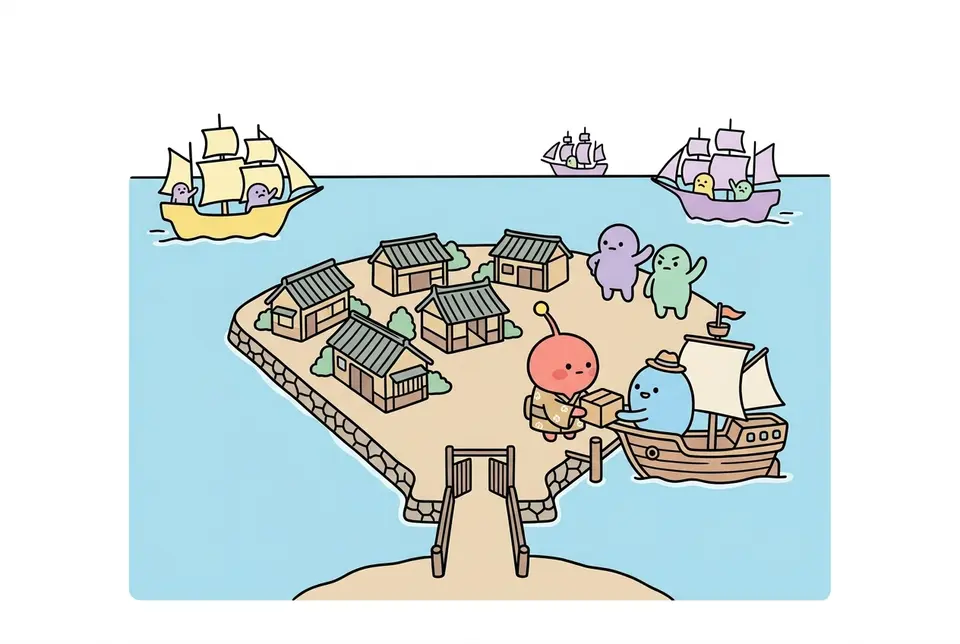 SakokuSakoku was the state of things in the Edo period, when the shogunate strictly limited travel and trade with other countr…
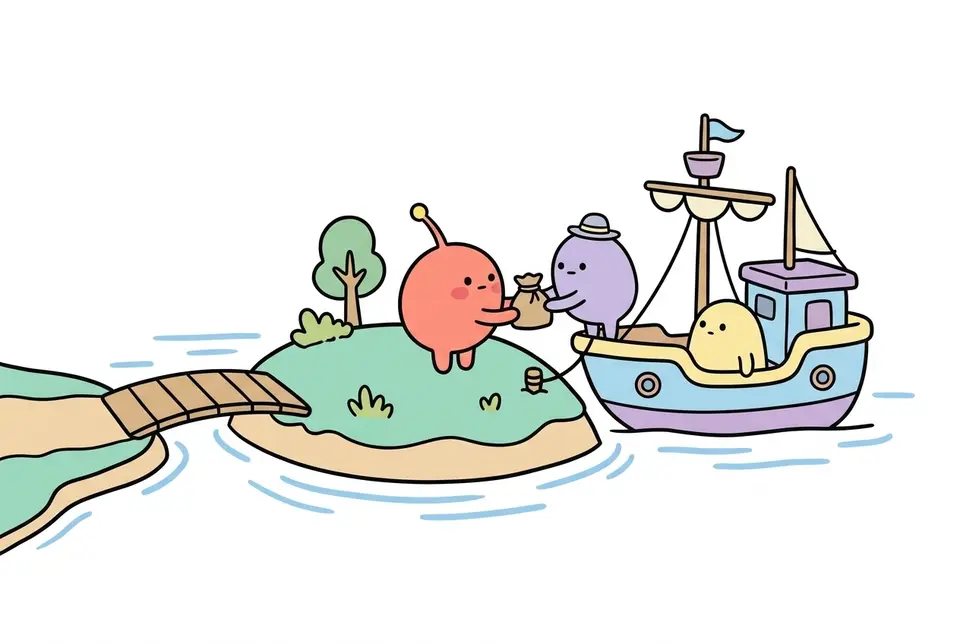 DejimaQ. Was Dejima a natural island?
A. It was not a natural island. It was a man-made island built by filli…
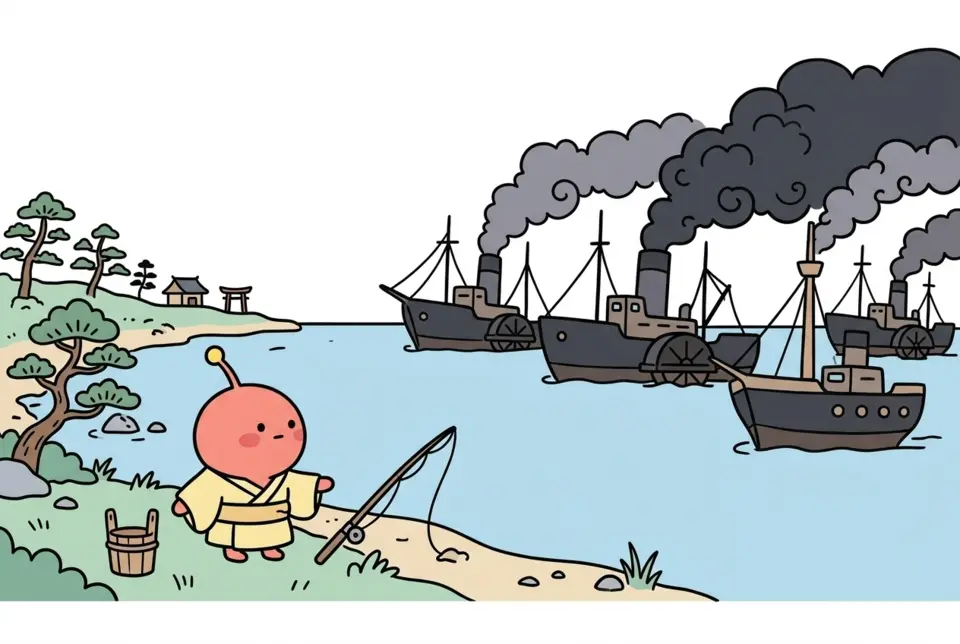 Arrival of the Black ShipsIn 1853, four American warships led by Commodore Perry appeared off Uraga, in today's Kanagawa.
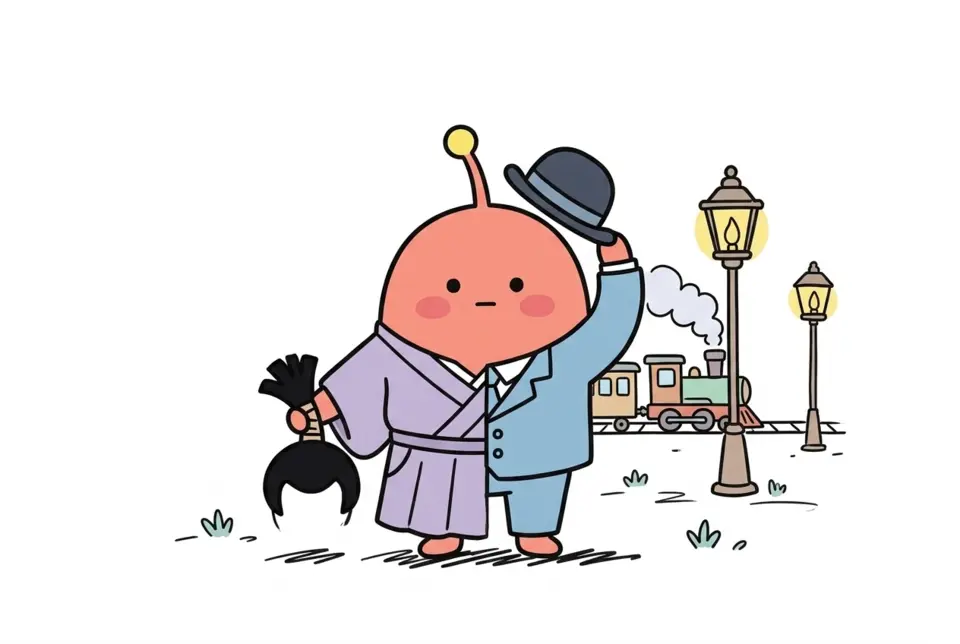 Meiji RestorationQ. Was the Meiji Restoration a single event?
A. It was not an event that happened on one day. It is the name for a s…
 Haihan-chikenHaihan-chiken was the 1871 reform in which the Meiji government abolished the domains, creat…
 Meiji Constitution
 Chonmage (topknot)Chonmage is a topknot hairstyle common among men in Edo-period Japan. The front and top of t…
 Gengo (era names)A gengo is a name for years counted from a certain year. In Japan it began with Taika, and s…
 Jomon potteryJomon pottery is clay pots made and fired by people of the Jomon period.
 DoguQ. Are dogu and haniwa the same?
A. Dogu and haniwa are not the same. Dogu are Jomon-period figures, whi…
Source (in Japanese): Wikipediaで「文明開化」を調べる