ELI5
Explain it like I’m five遠足のおやつは300円(えんそくのおやつはさんびゃくえん)What is the 300-yen snack rule?
日本語English
In one line“Snacks are 300 yen” refers to a spending limit that schools set on snacks children brought on school outings. The amount differed by school and era.
“Snacks for the school trip: 300 yen” means schools set a limit on how much snack money kids could bring on a day trip. The amount changed by school and by era. Some said 200 yen, some 500 yen. Deciding what to buy within the budget was a little math lesson. Many kids added it up to the last 10 yen at the dagashi shop. And every year, someone asked: “Teacher, does a banana count as a snack?” The answer depended on the school. The question itself was part of the trip. Grown-ups still ask it, about expense reports.
- limit
- 上限
- school trip
- 遠足
- budget
- 予算
- count as
- 〜に入る
Go deeper
School trips since the 1880s
School outings in Japan go back to the Meiji era. In 1886, the Tokyo Normal School held a “long-distance excursion” that is also known as the start of today's school trips. Back then it mixed physical training with sightseeing and study. As elementary schools began holding outings, the lunch and snacks children brought became part of the fun. Historians have several theories about how the custom began.
A math lesson in disguise?
On Japanese school outings, children brought their own snacks, and many schools set a limit such as “up to 300 yen.” Choosing what to buy within a set budget was seen as a small life lesson. But since the late 2010s, more elementary schools have stopped kids from bringing or trading snacks, out of care for food allergies. Outings where you can ask “Does a banana count as a snack?” are slowly getting rarer.
How people use it
- “To get the most out of 300 yen, I combined lots of 10-yen sweets.”
- “Teacher, does a banana count as a snack?”
Questions people ask
- Why did schools set a snack limit?
- To keep differences between children small, and to give kids practice managing a set amount of money.
- Does a banana count as a snack?
- It depends on the school. Some said it was fine as part of lunch. Ask your teacher.
- Do kids still bring snacks on outings?
- Some schools still allow it, but more are stopping it out of care for food allergies.
Sources:Wikipedia「遠足」、コトバンク「遠足」(精選版 日本国語大辞典)
Your turn
Is a banana a snack?
Tap to see what everyone said.
Related words
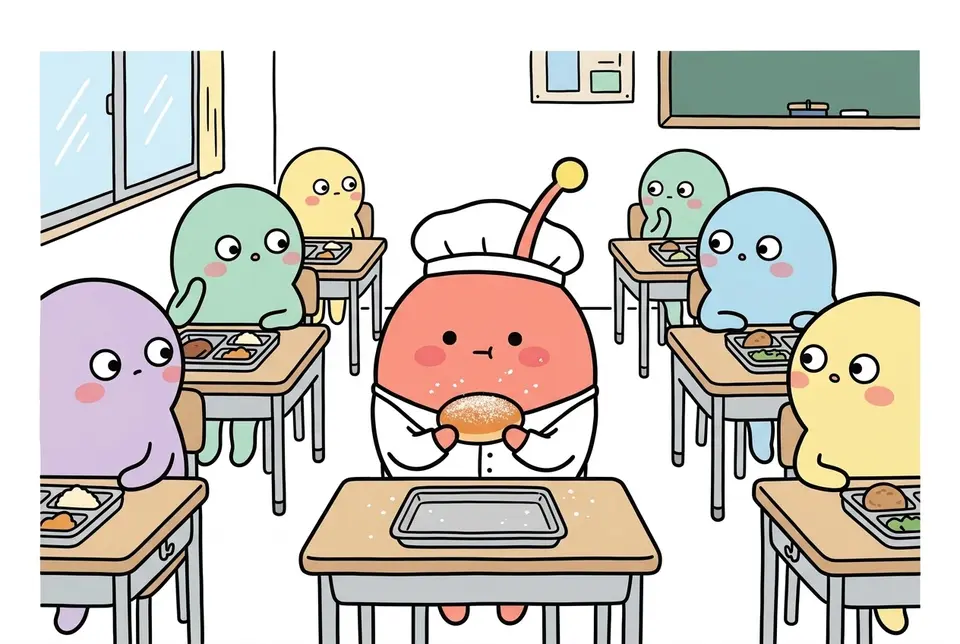 School-lunch fried breadAge-pan is a school lunch dish of a bread roll deep-fried and coated in sugar, kinako or sim…
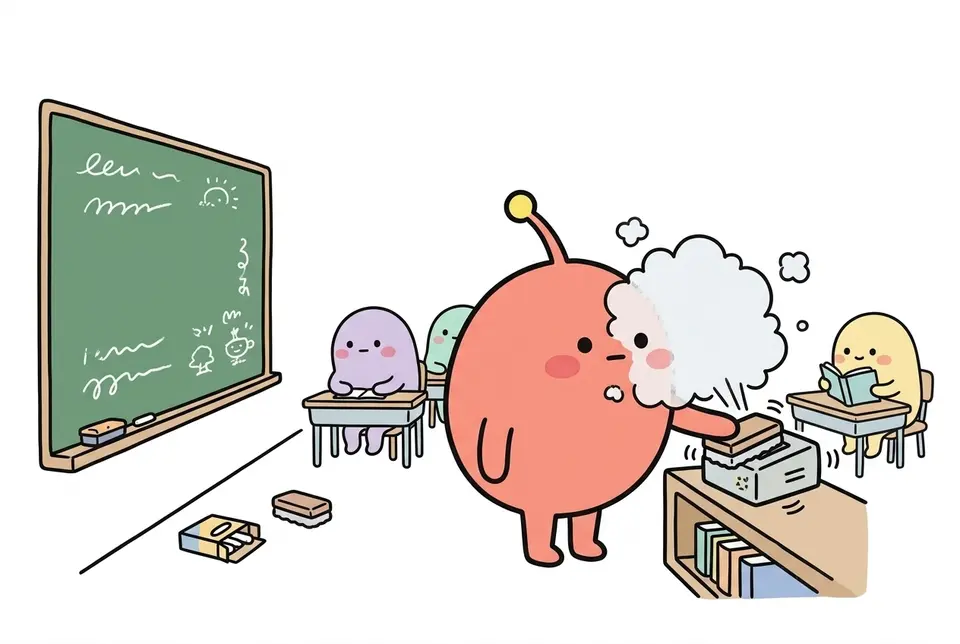 Eraser cleanerA blackboard eraser cleaner is a machine that sucks chalk dust off erasers, like a little vacuum.
A. They were not tight from the start. At first they were loose, trouse…
A. Washing your eyes more is not better for them. Rinsing with water is…
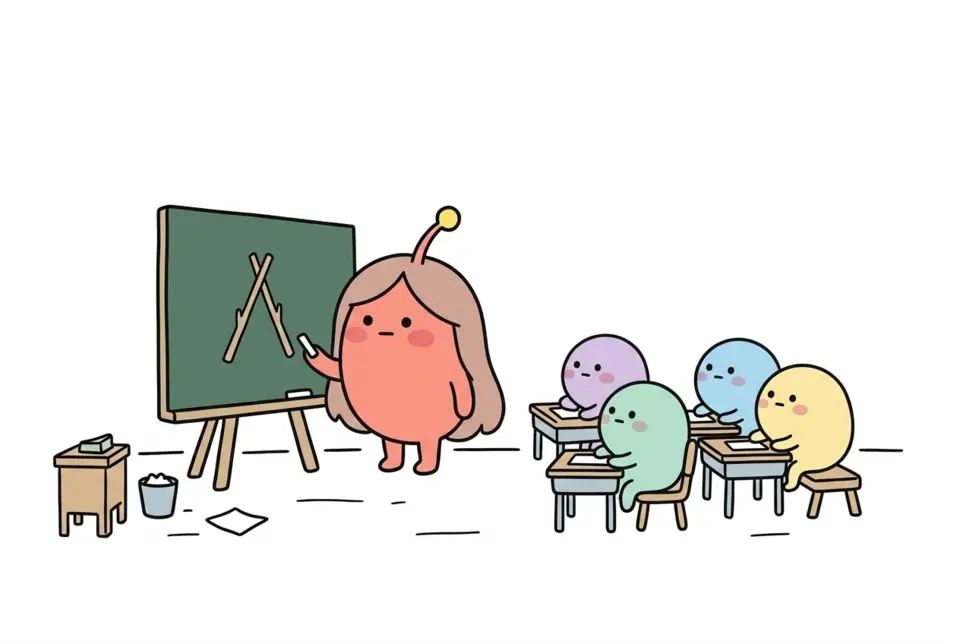 Kinpachi-senseiSan-nen B-gumi Kinpachi-sensei is a school drama that started on TBS in 1979 and ran in many series until 2011.
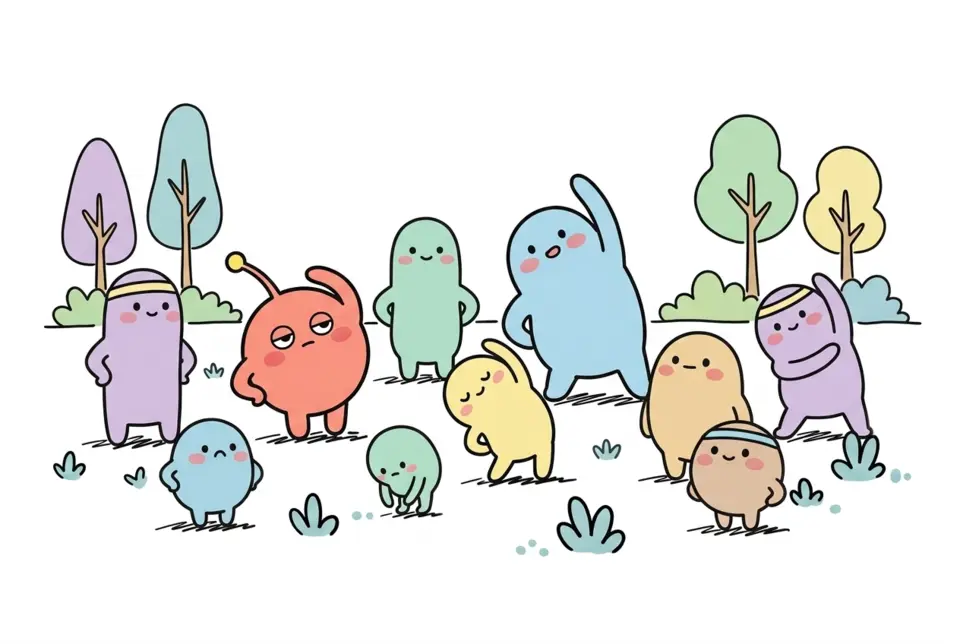 Radio taisoRadio taiso is a set of exercises everyone does together to piano music and a voice on the radio.
 Print GoccoPrint Gocco was a small printer that let people print New Year cards at home, easily.
 NengajoA nengajo is a New Year greeting card, sent as a postcard.
 Dagashi shopQ. Are dagashi still sold?
A. Dagashi are not just a thing of the past. The shops are fewer, but t…
 Video rental shop
 Jun-kissa
Source (in Japanese): Wikipediaで「遠足のおやつは300円」を調べる