ELI5
Explain it like I’m fiveお米(おこめ)What is rice?
日本語English
In one lineRice is the seed of the rice plant with the husk removed. There is brown rice, with the bran left on, and white rice, with the bran removed, and it is the staple food of Japan.
Rice is the seed of the rice plant with its husk taken off. With only the husk off, it is brown rice. Polish off the outer bran layer too, and you get the white rice we usually eat. The variety grown most in Japan is Koshihikari. There are many other brand-name rices as well. Rice just harvested in autumn is called “shinmai,” new rice. People enjoy its smell and shine. Each person in Japan eats about half as much rice as at the peak. The kanji for rice, 米, can be split into “eighty-eight.” An old saying claims it takes 88 jobs to grow it. Nobody has counted. Everyone believes it.
- husk
- もみ殻
- bran
- ぬか
- polish
- けずる
- variety
- 品種
- harvest
- 収穫する
Go deeper
Rice in numbers
According to Japan’s farm ministry, rice eaten per person per year peaked at 118.3 kg in fiscal 1962. It has fallen ever since, as bread, noodles and side dishes took up more of the table. The estimate for fiscal 2024 is 53.4 kg, about half the peak. In other words, adults today eat roughly half the rice people did in the early 1960s.
Why Koshihikari leads
Koshihikari was registered as a variety in 1956 and has been Japan’s most planted rice since 1979. In 2020 it covered 33.7% of the land used for regular rice. People love its sticky texture and sweetness, and it is the parent of many brand rices. But most rice sold as “Niigata Koshihikari” today is actually Koshihikari BL, a group of strains bred to resist disease.
How people use it
- “The new crop is in, so let’s cook it in the clay pot tonight.”
- “I mix brown rice into white rice to eat a bit healthier.”
Questions people ask
- How long is new rice “new”?
- Under Japan’s food labeling rules, rice can be labeled shinmai (new rice) if it was harvested that year and polished and packed by December 31. Check official guidance for details.
- What is musenmai (no-wash rice)?
- It is rice with the surface bran, which washing normally removes, already taken off at the factory. You just add water and cook.
- How much rice do people in Japan eat?
- About 53.4 kg per person per year in fiscal 2024 (estimate), says the farm ministry. That is about half the 1962 peak of 118.3 kg.
Sources:MAFF: Data on rice consumption (Japanese)、Aichi Prefecture: The rice situation (Japanese)、Wikipedia (ja): コシヒカリ、Osaka Prefecture: Rice labeling (Japanese)
Your turn
What is your everyday staple?
Tap to see what everyone said.
Related words
 MisoQ. Is red miso saltier?
A. Darker miso is not always saltier. The color also changes with aging…
 DashiQ. Should kombu be boiled for a long time?
A. Kombu does not get better the longer you boil it. A hard boil tends …
 The Reiwa rice crisisQ. Was there one single cause?
A. There was not just one cause. Weather, higher demand and panic buyin…
 RamenQ. Is ramen just a Chinese dish?
A. It is not a dish eaten unchanged in China. It grew up in Japan in it…
A. Once you take a plate, do not put it back on the belt. It is an impo…
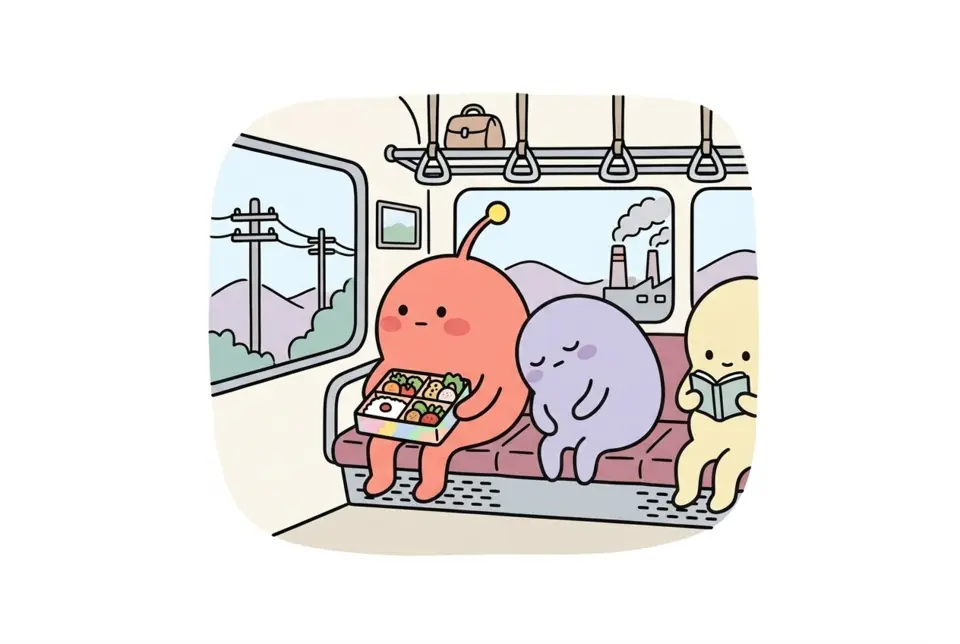 Ekiben (station bento)Q. Can you only buy ekiben at stations?
A. You can’t only buy them at stations. Many ekiben are sold outside st…
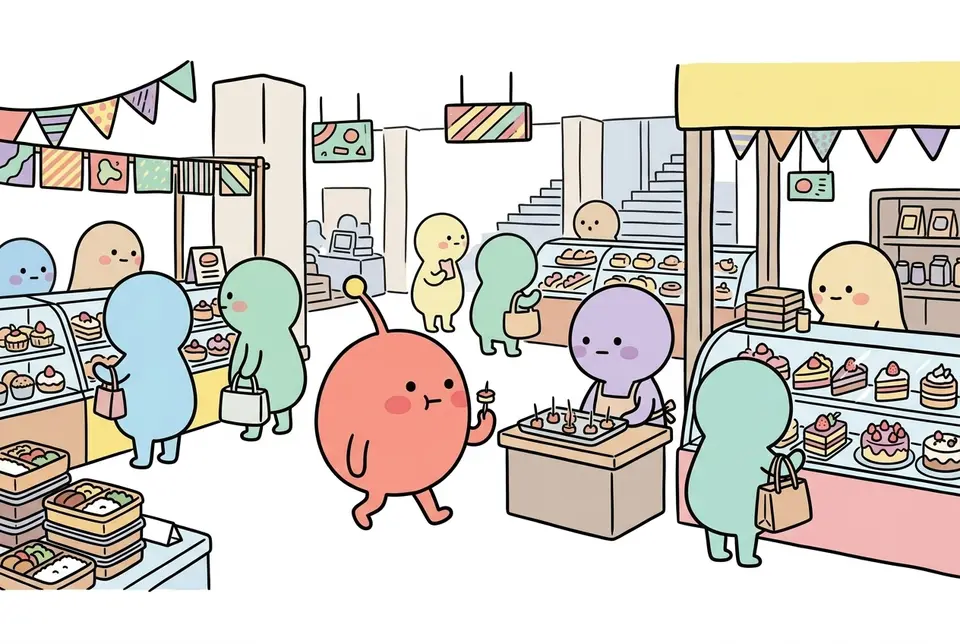 DepachikaA depachika is the food floor in the basement of a Japanese department store.
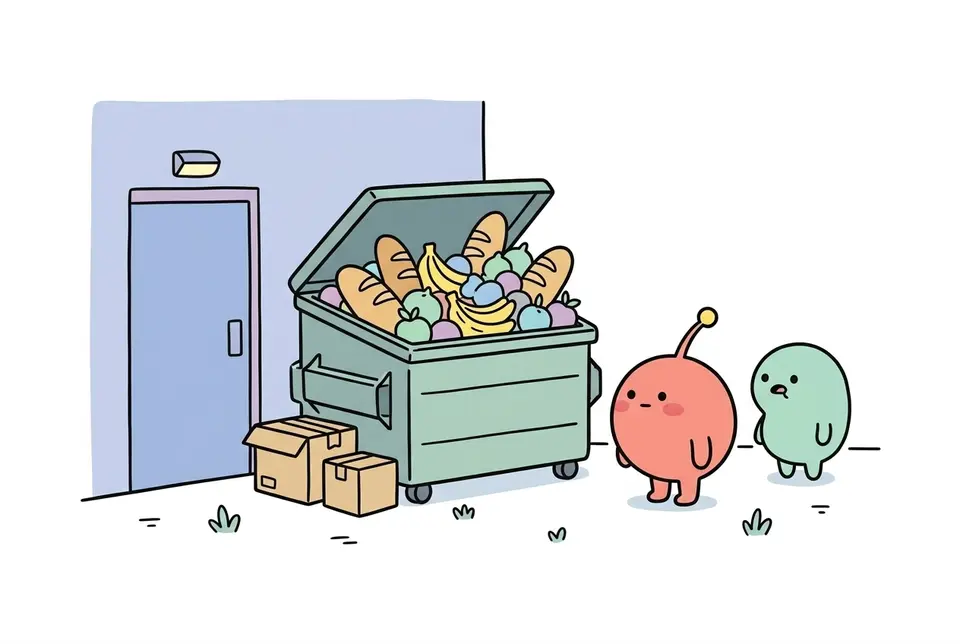 Food lossQ. Is food loss only a problem for shops?
A. It is not just a problem for shops and factories. A lot also comes f…
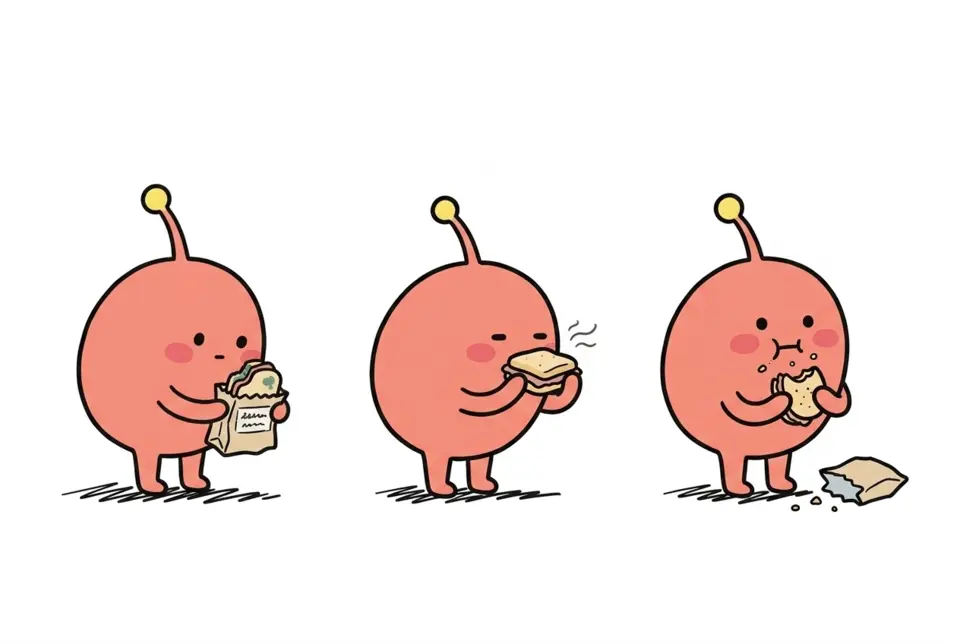 Best-before dateQ. Can I eat food after the best-before date?
A. You do not have to throw food out right after the date. It is a guid…
Source (in Japanese): Wikipediaで「お米」を調べる