ELI5
Explain it like I’m five楽市楽座(らくいちらくざ)What was rakuichi rakuza?
日本語English
In one lineRakuichi rakuza was a Warring States period policy in which lords dropped market taxes in castle towns and abolished guild privileges to allow free trade. Oda Nobunaga's in Azuchi is the best known.
Rakuichi rakuza was a policy of the Warring States period that freed up trade in castle towns and other places. Before, markets had rules that made trading hard. You had to pay taxes, or join a merchants' guild called a “za.” Under rakuichi rakuza, market taxes were dropped and the guilds lost their special rights. Anyone could do business. The most famous example is Oda Nobunaga's, in the castle town of Azuchi. People and money poured in, and the town bustled. But Nobunaga was not the first to do it. He was just the most famous.
- policy
- 政策
- market
- 市場
- guild
- 同業者の組合
- castle town
- 城下町
- bustle
- にぎわう
Your turn
Did you know this word?
Tap to see what everyone said.
Related words
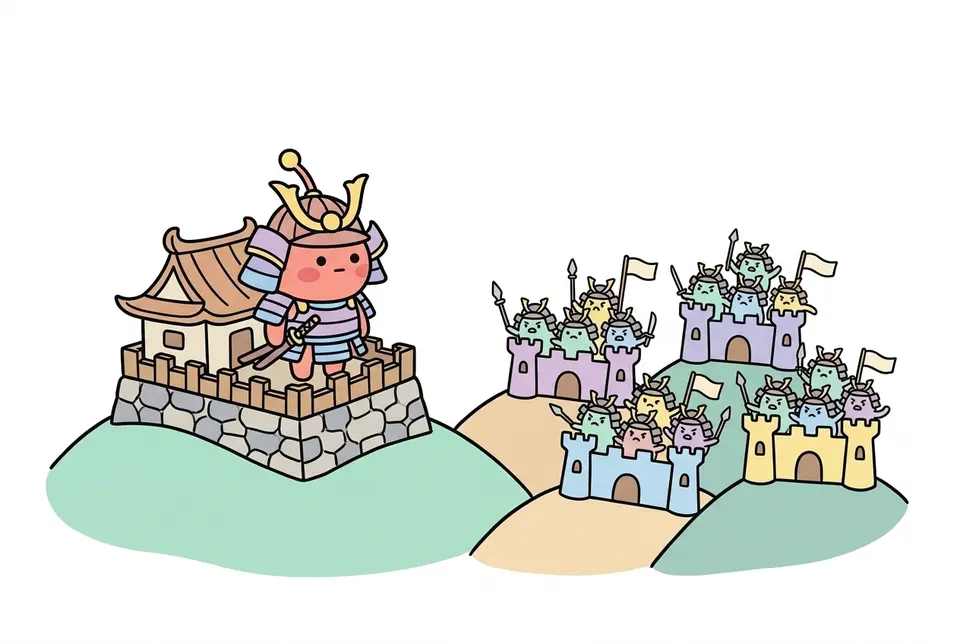 Sengoku daimyoQ. Did all Sengoku daimyo come from noble families?
A. Not all of them came from noble families. Some grew out of old provi…
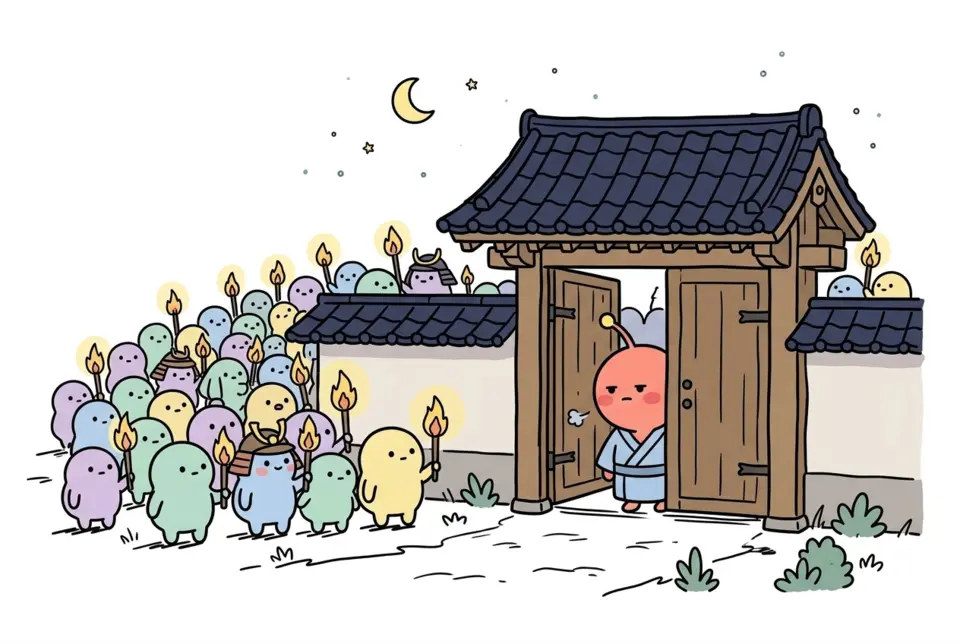 The Honnoji IncidentThe Honnoji Incident happened in 1582.
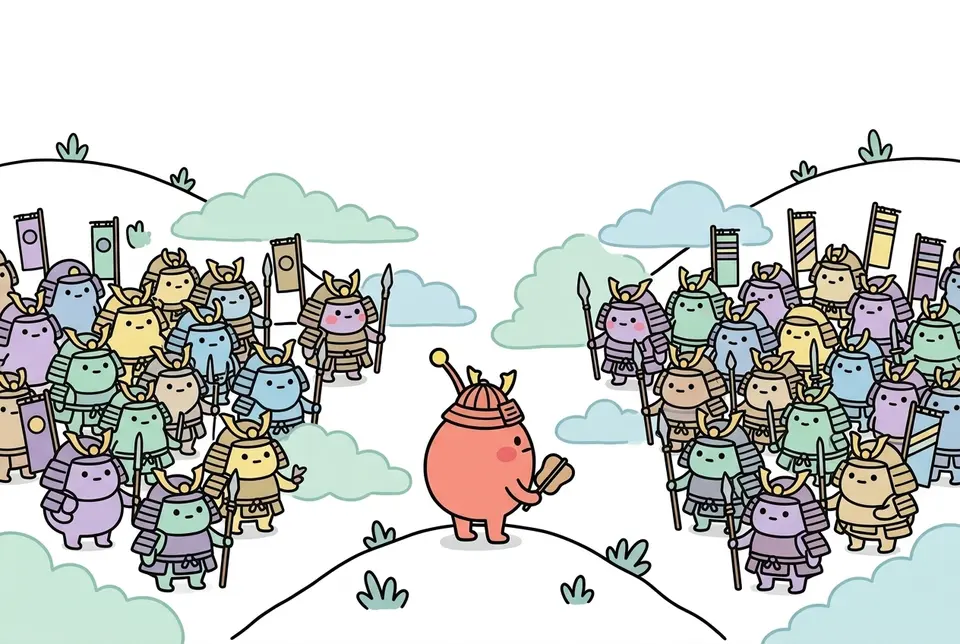 Battle of Sekigahara
 The three arrows (sanbon no ya)Q. Did the three arrows story really happen?
A. The famous deathbed scene is probably made up. His eldest son had al…
 NinjaNinja were people in Japan, from the warring states era into the Edo period, who did spying,…
 Moto no mokuamiMoto no mokuami means something that got better slips back to how it was.
 Naijo no ko (support from home)
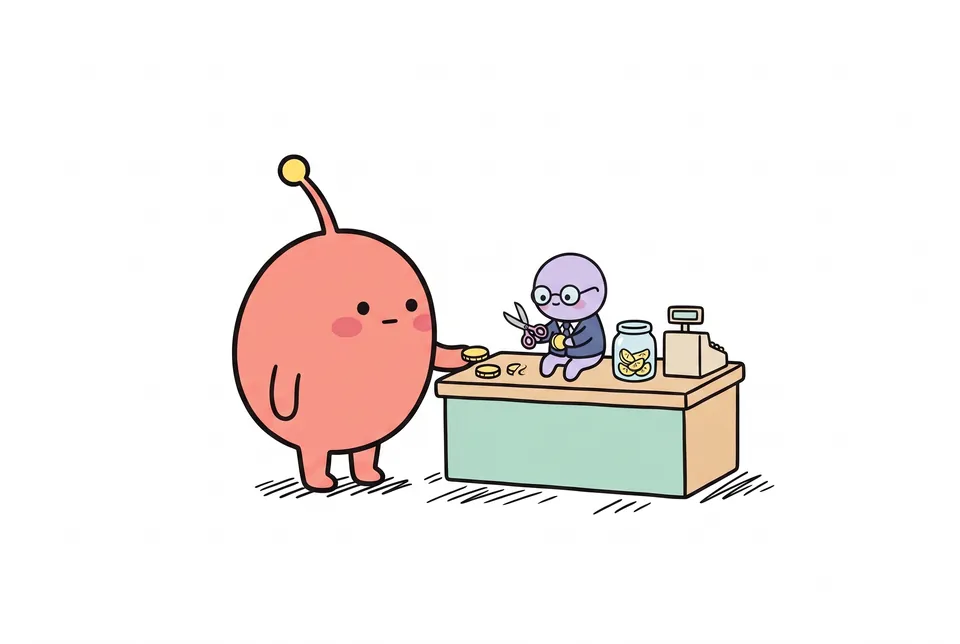 3% consumption tax
Source (in Japanese): Wikipediaで「楽市楽座」を調べる