ELI5
Explain it like I’m fiveごんぎつねWhat is Gongitsune?
日本語English
In one lineGongitsune is a children’s story by Nankichi Niimi. It shows Gon, a young fox who regrets his trick, secretly making it up to Hyoju again and again.
Gongitsune is a children’s story by Nankichi Niimi. Almost everyone in Japan knows it from school textbooks. Gon is a little fox who loves playing tricks. One day he lets go of the eels a man named Hyoju caught. Later, Gon learns the eels were for Hyoju’s mother. So, to say sorry, Gon secretly keeps bringing him chestnuts and matsutake mushrooms. But Hyoju doesn’t know how Gon feels. Sometimes feelings don’t get across unless you put them into words. The story teaches this quietly.
- fox
- きつね
- trick
- いたずら
- eel
- うなぎ
- chestnut
- 栗
- regret
- 悔やむ
Your turn
Did you know this word?
Tap to see what everyone said.
Related words
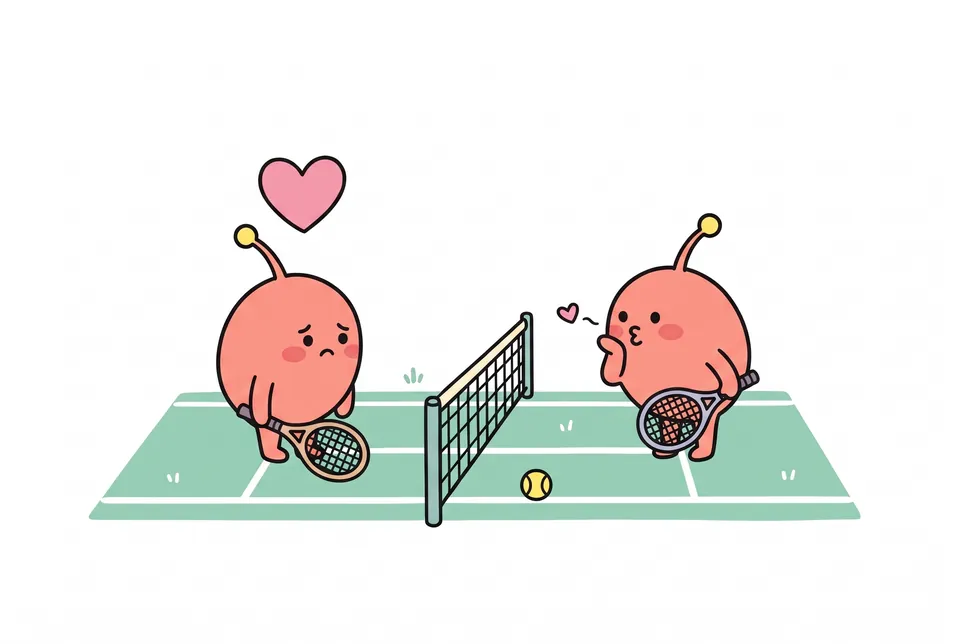 “Love” in tennisIn tennis, “love” means a score of zero. Nobody knows where the word comes from; the French …
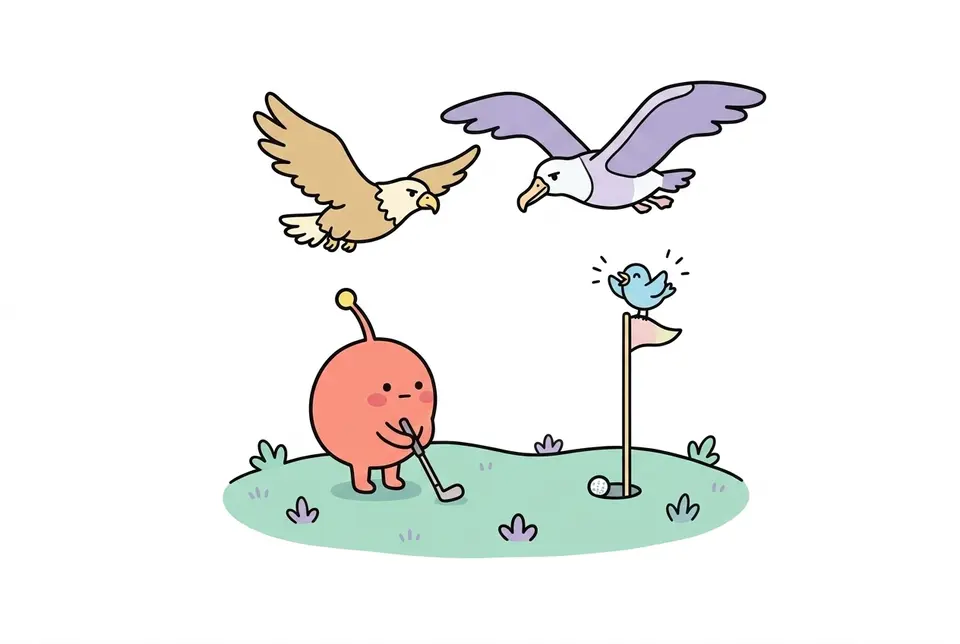 Birdie
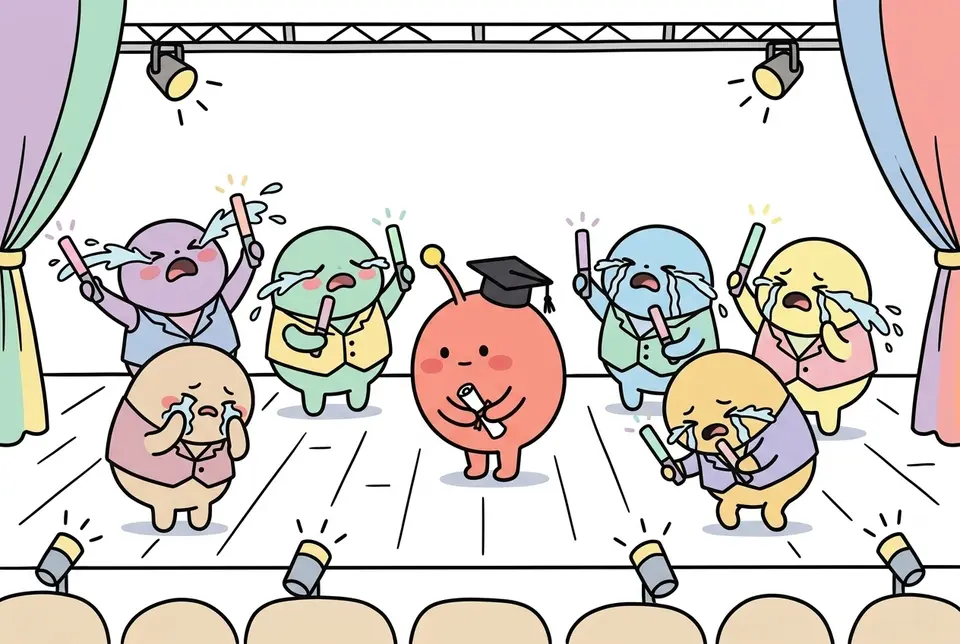 Idol graduation
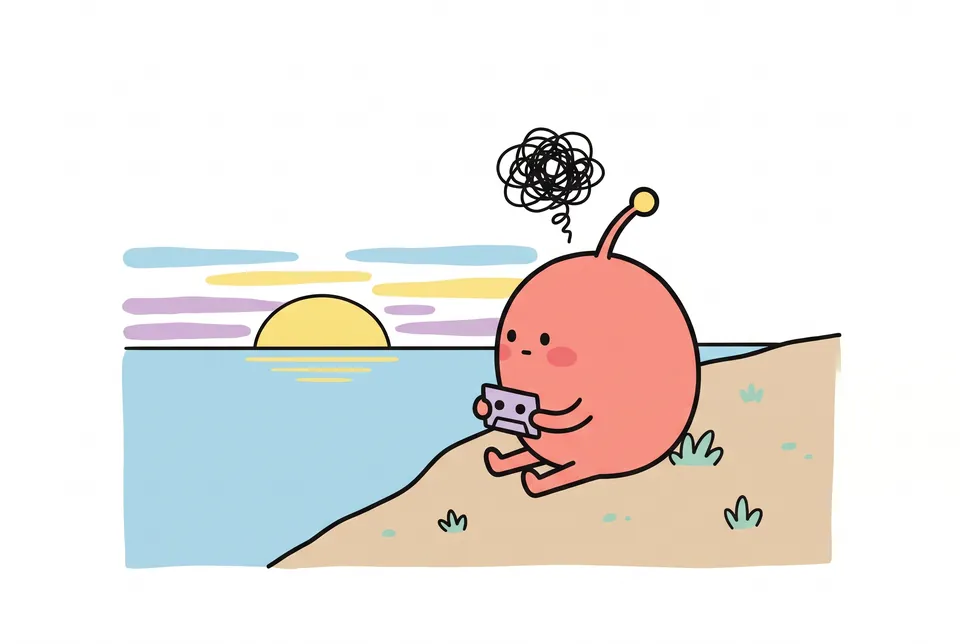 EmoiQ. When did people start using it?
A. It does not just mean sad. It mixes nostalgia, wistfulness and being…
 Chill
 Kusa (lol)
 SorenaQ. Is sorena just a careless reply?
A. Sorena is not just a vague reply. It shows you strongly agree with w…
 GachiGachi is a word said to come from the sumo term gachinko. It means being serious and earnest…
 Taipa (time performance)Taipa is short for “time performance,” a Japanese-made phrase.
 Kospa (cost performance)Kospa is short for “cost performance,” a phrase people in Japan use a lot.
 OtakuAn otaku is a fan with a strong passion for, and deep knowledge of, a particular field or ho…Hitting is notwhat makesa tsukkomi.Types of tsukkomiIn Japanese comedy, the “tsukkomi” points out what is silly about the “boke’s” jokes. There are many ways to do it. The most basic is short and clear, like “Nan…
Source (in Japanese): Wikipediaで「ごんぎつね」を調べる