ELI5
Explain it like I’m fiveエモいWhat does “emoi” mean?
日本語English
In one lineEmoi is Japanese youth slang from “emotional.” It describes being moved, or hard-to-name feelings like nostalgia and wistfulness.
“Emoi” is young people’s slang for a feeling that moves your heart in a way that’s hard to name. It comes from the English word “emotional,” cut short and turned into a Japanese adjective. People use it for a sunset sky, photos from an old film camera, or the walk home after graduation, moments full of longing and sweet sadness. It is handy because one word covers a feeling that isn’t just “cute” or “sad.” Some say it is like the old Japanese word “aware” from classic poems.
- slang
- くだけた言葉
- longing
- なつかしさ・あこがれ
- handy
- 便利な
- adjective
- 形容詞
Go deeper
How the word is built
Emoi takes “emo,” short for the English word “emotional,” and adds “-i,” the ending of Japanese adjectives. The 1970s–80s slang nau-i (“now-ish,” trendy) was made the same way. Turning a foreign word into an “-i” adjective is rare in Japanese. It is said to have been around as youth slang since about 2007, and it took off around 2016.
Dictionary makers picked it
Emoi came second in Sanseido’s 2016 “New Word of the Year,” chosen by Japanese dictionary editors, and that made it known to adults too. Its strength is wrapping up a mix of happy, wistful and nostalgic feelings in one word. Its weakness is the same: some people worry that everything now just gets called emoi.
How people use it
- “I found my old photo-booth stickers at my parents’ place. So emoi.”
- “Just the intro of this song takes me back to high school. Emoi.”
Questions people ask
- Is it the same as English “emotional”?
- Not quite. “Emotional” can mean easily upset or angry. Emoi is mostly used for a quiet, moving feeling mixed with nostalgia or wistfulness.
- Can I use it at work?
- It is casual slang. In meetings or documents, a clearer phrase like “moving” or “nostalgic” works better.
Sources:nippon.com「三省堂 辞書を編む人が選ぶ『今年の新語2016』」、nippon.com「せめて『チルい』年末を」(2021年)、Wikipedia「エモい」
Your turn
What feels the most emoi?
Tap to see what everyone said.
Related words
 Chill
 SorenaQ. Is sorena just a careless reply?
A. Sorena is not just a vague reply. It shows you strongly agree with w…
 GachiGachi is a word said to come from the sumo term gachinko. It means being serious and earnest…
 Kusa (lol)
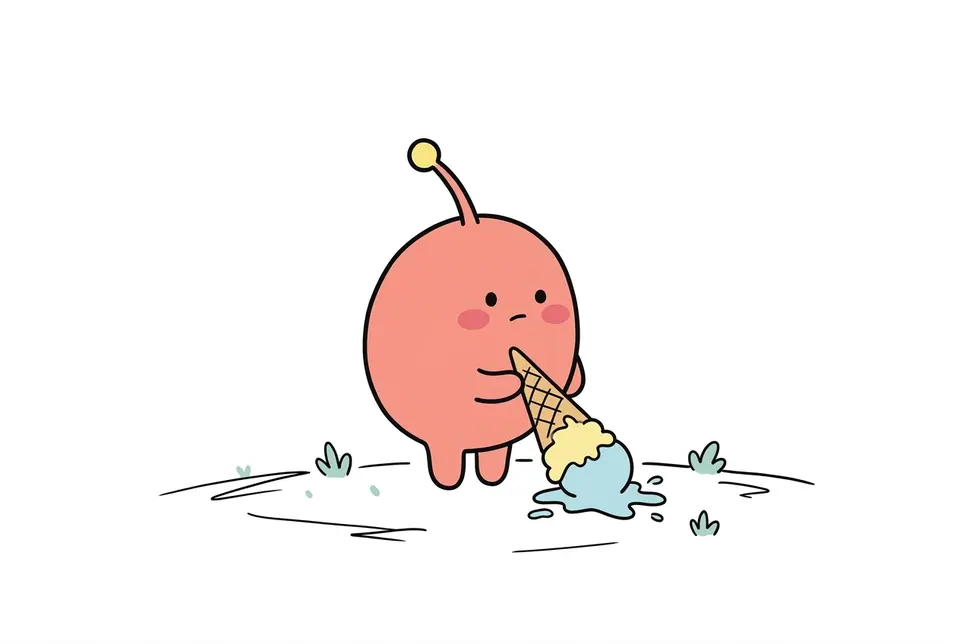 PienPien is youth slang from the crying sound “pieeen.” It shows a slightly sad or teary feeling…
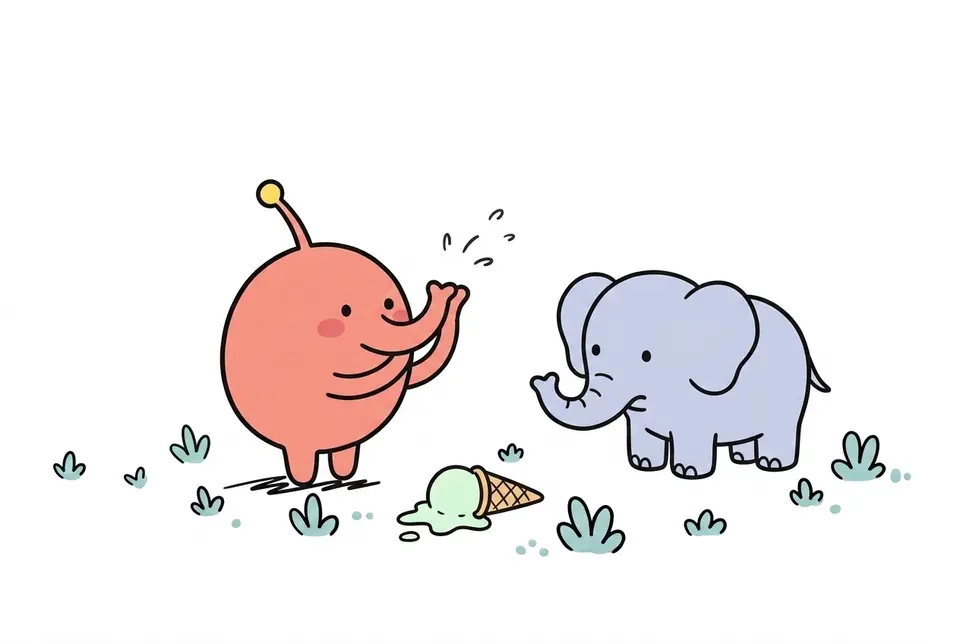 PaonPaon is Japanese youth slang for being even sadder than “pien.” It is said to come from “paooon,” the sound an elephant …
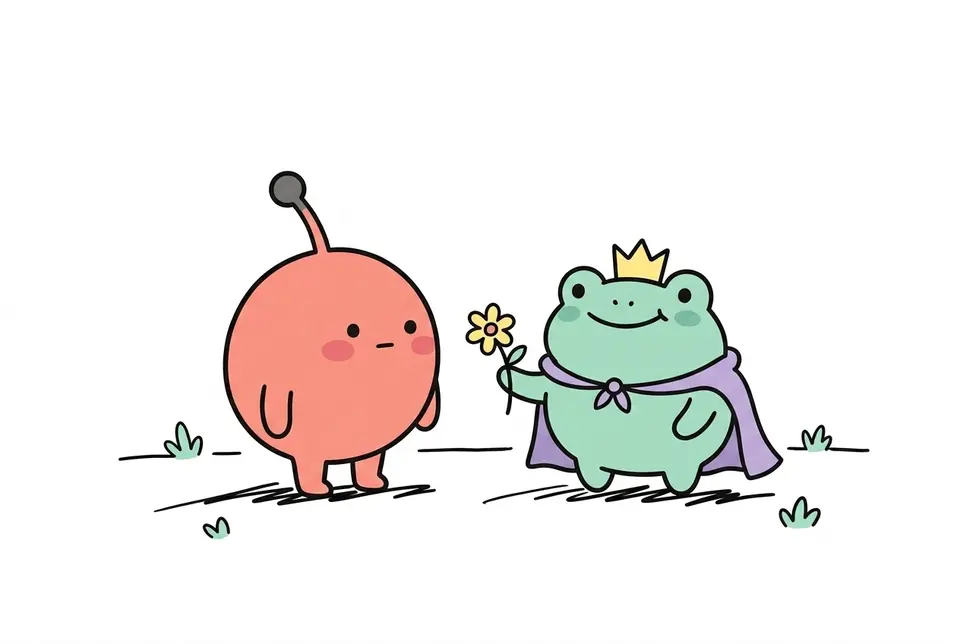 Frog-ification (kaeruka gensho)Kaeruka gensho is when feelings for someone suddenly cool, originally right after they retur…
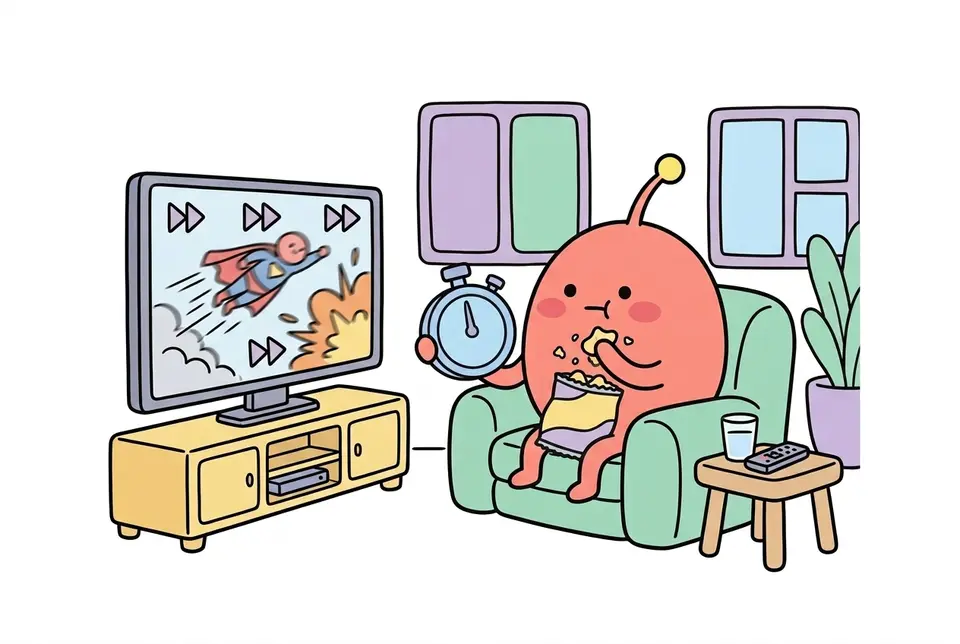 Taipa (time performance)Taipa is short for “time performance,” a Japanese-made phrase.
 Kospa (cost performance)Kospa is short for “cost performance,” a phrase people in Japan use a lot.
 Lookism
 “___ kaiwai” (the ___ crowd)“___ kaiwai” is a way of referring to a loose group of people who share the same hobby, inte…
 Going viral (bazuru)
Source (in Japanese): Wikipediaで「エモい」を調べる