ELI5
Explain it like I’m five主語と述語(しゅごとじゅつご)What are a subject and a predicate?
日本語English
In one lineThe subject and predicate are the core parts of a sentence. The subject shows “what” or “who,” and the predicate shows “does what,” “is like what” or “is what.”
The subject and the predicate are the two most important parts of a sentence. They are its frame. The subject answers “who?” or “what?” The predicate answers “does what?”, “is like what?” or “is what?” In “The flower blooms,” “the flower” is the subject and “blooms” is the predicate. In Japanese, the predicate usually comes at the end of the sentence. The subject is often left out when people can tell who you mean. So if you say “Boku wa unagi da” in a restaurant, you are ordering eel. You have not turned into one.
- subject
- 主語
- predicate
- 述語
- sentence
- 文
- bloom
- さく
- leave out
- 省く
Your turn
Did you know this word?
Tap to see what everyone said.
Related words
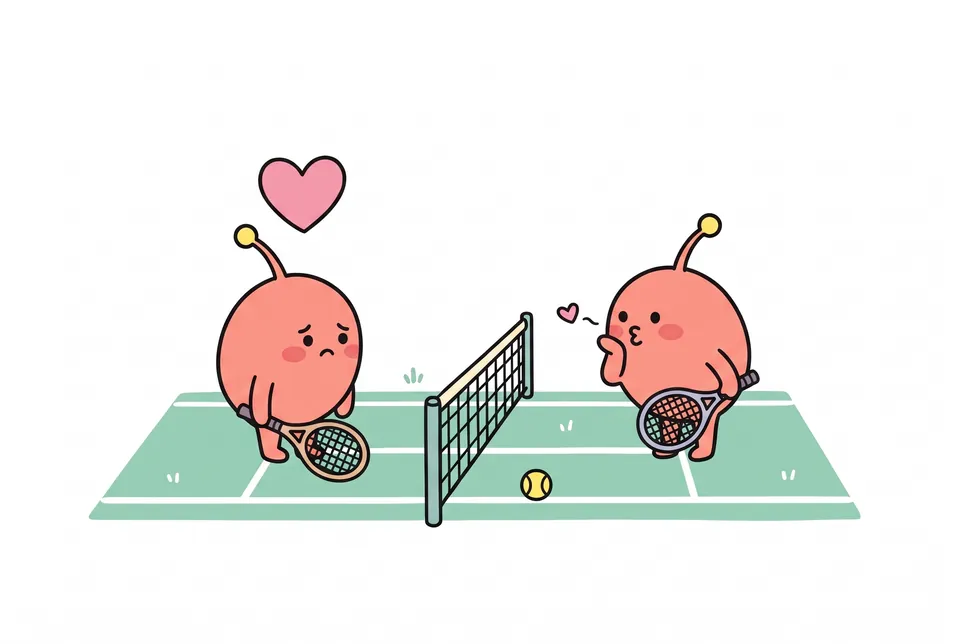 “Love” in tennisIn tennis, “love” means a score of zero. Nobody knows where the word comes from; the French …
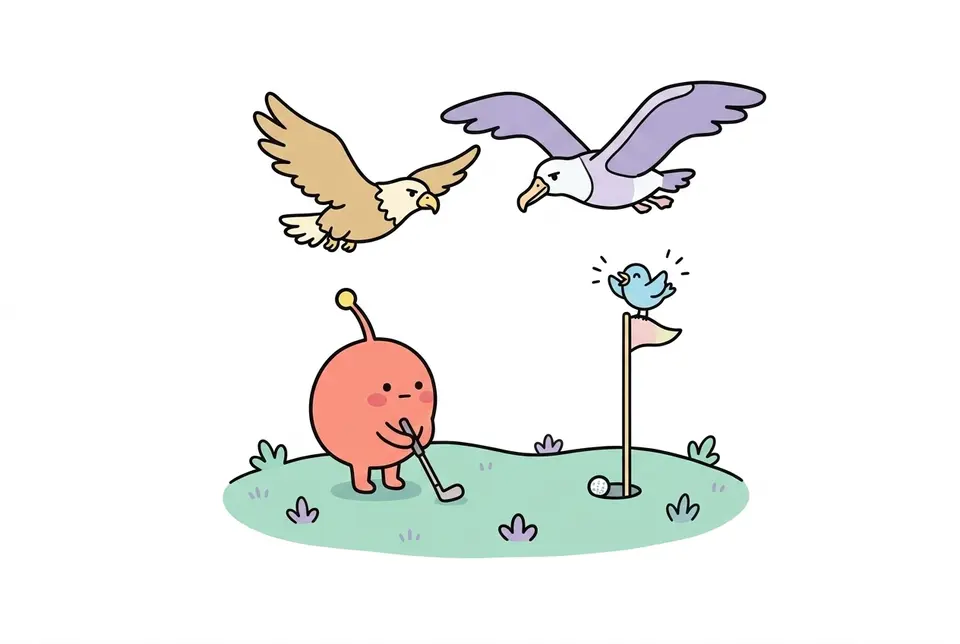 Birdie
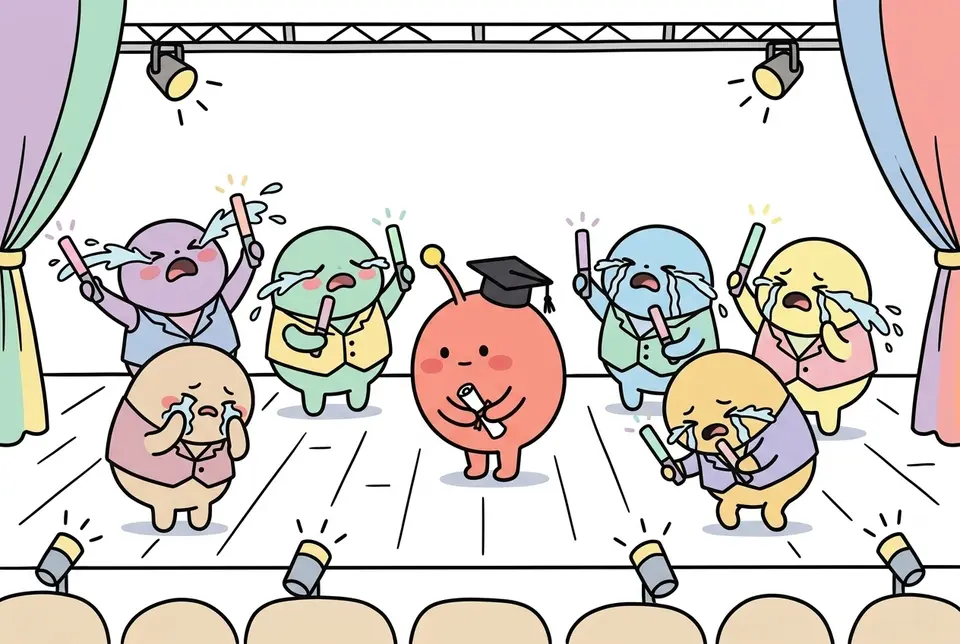 Idol graduation
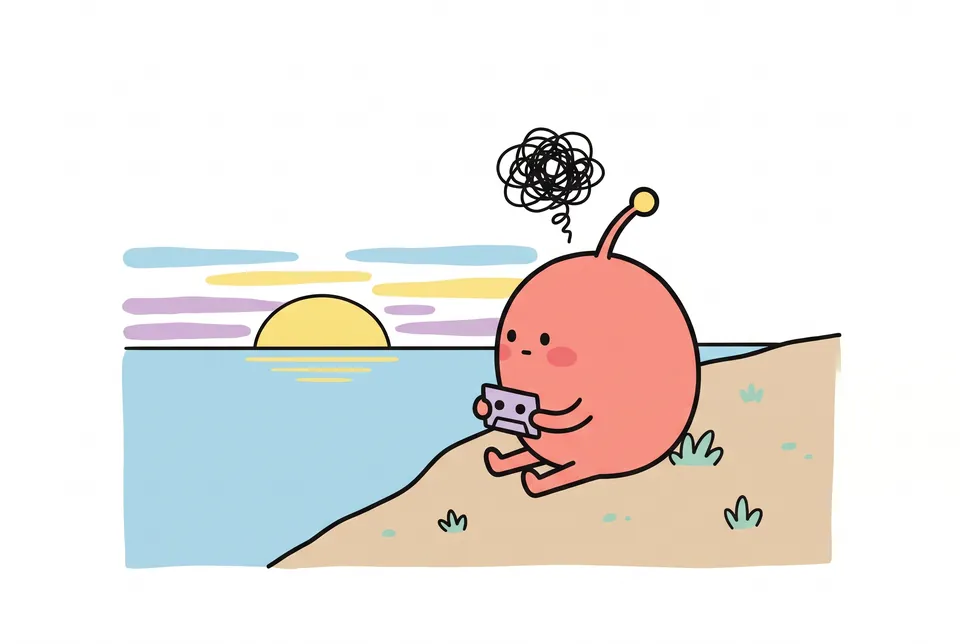 EmoiQ. When did people start using it?
A. It does not just mean sad. It mixes nostalgia, wistfulness and being…
 Chill
 Kusa (lol)
 SorenaQ. Is sorena just a careless reply?
A. Sorena is not just a vague reply. It shows you strongly agree with w…
 GachiGachi is a word said to come from the sumo term gachinko. It means being serious and earnest…
 Taipa (time performance)Taipa is short for “time performance,” a Japanese-made phrase.
 Kospa (cost performance)Kospa is short for “cost performance,” a phrase people in Japan use a lot.
 OtakuAn otaku is a fan with a strong passion for, and deep knowledge of, a particular field or ho…Hitting is notwhat makesa tsukkomi.Types of tsukkomiIn Japanese comedy, the “tsukkomi” points out what is silly about the “boke’s” jokes. There are many ways to do it. The most basic is short and clear, like “Nan…
Source (in Japanese): Wikipediaで「主語と述語」を調べる