ELI5
Explain it like I’m five一粒万倍日(いちりゅうまんばいび)What is ichiryu manbai bi?
日本語English
In one lineIchiryu manbai bi is a lucky day on the Japanese calendar. The name means “one grain of rice grows into ten thousand.” Things you start that day are said to grow big. It comes several times a month.
Many people think ichiryu manbai bi is a rare lucky day. It is not. It comes several times a month. In November 2026 there were five, including the 19th. The name means “one grain of rice grows into ten thousand.” Things you start that day are said to grow big. So people open bank accounts or start using a new wallet. But borrowing money is a bad idea, because debts grow too. Grown-ups buy new wallets on this day. The money inside does not grow.
- grain
- 粒
- lucky day
- 吉日
- borrow
- 借りる
- almanac
- 暦の本
- custom
- 習わし
Go deeper
How the days are chosen
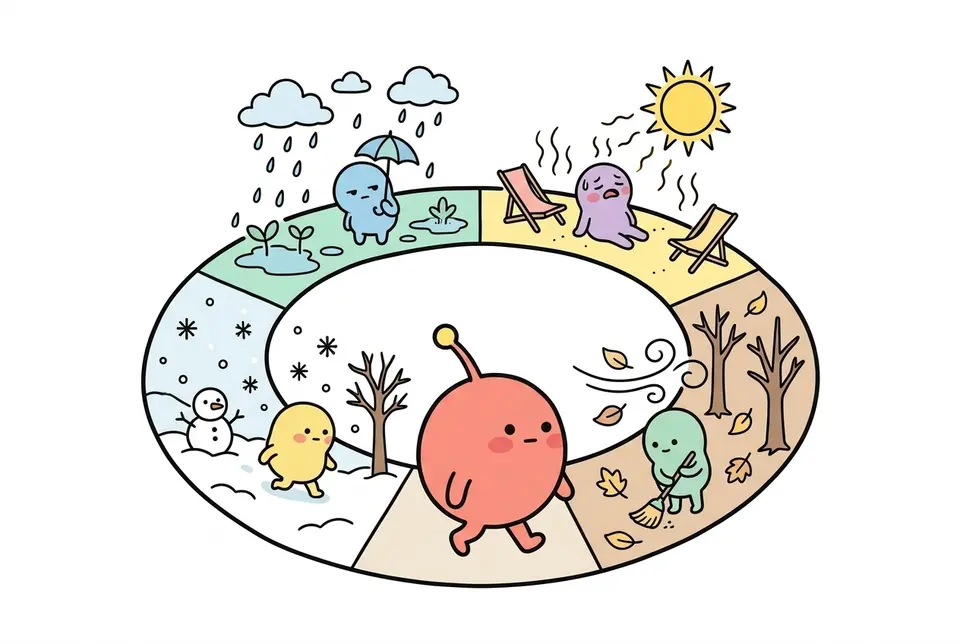
The day depends on two things: the solar month (set by the 24 seasonal markers) and the zodiac animal of the day, which repeats every 12 days. For example, from the start of winter (around November 7) to early December, Rooster days and Dog days count. Because the animals cycle every 12 days, the lucky day comes four to six times a month.
Where the custom comes from
Most lucky and unlucky days came to Japan from China. This one is not found in Chinese almanacs, and only Japan treats it as lucky. It was written in calendars of the Senmyo era, was dropped from the official calendar in 1685, and came back in popular calendars after Japan switched to the Western calendar. Today it is mostly used to sell wallets.
How people use it
- “It’s ichiryu manbai bi, so I’m starting my new wallet today.”
- “Grandma says never borrow money on ichiryu manbai bi.”
Questions people ask
- What should you avoid on this day?
- People tend to avoid borrowing money or things, and getting into fights, because bad things may grow too. These are only customs. Nothing happens if you ignore them.
- What if it falls on a fujojubi?
- Fujojubi is a day when nothing is said to go well. Some calendars say it cancels the luck. In November 2026, the 4th and the 20th were both.
- Will investing on this day make money?
- There is no evidence that a calendar day makes money grow. It can be a nice nudge to start, but choose what to invest in by what it is. Check official guides, such as Japan’s Financial Services Agency.
Sources:JRE Media (Japanese)、Best Calendar (Japanese)、Wikipedia (Japanese)
Your turn
Do you use these days?
Tap to see what everyone said.
Related words
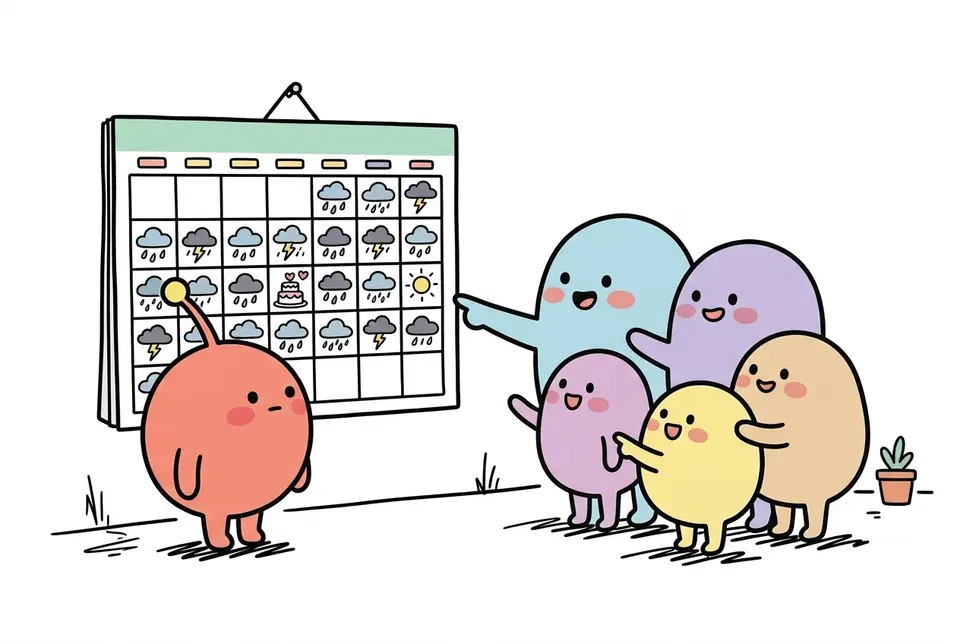 Taian and Butsumetsu
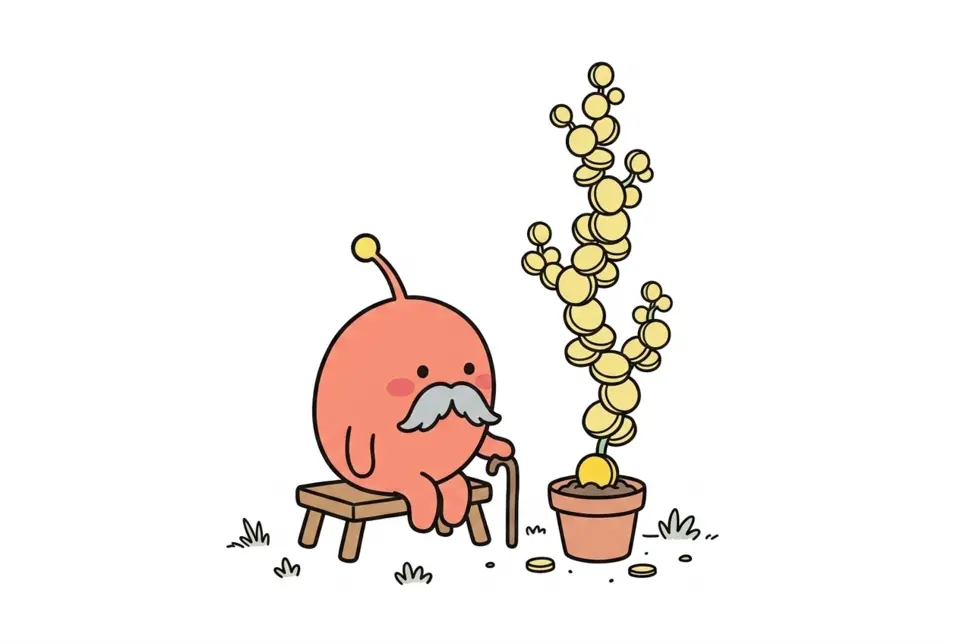 Compound interestCompound interest means the money you earn also starts to earn money.
 Regular investing (tsumitate)Q. Can you lose money with regular investing?
A. It does not mean you can’t lose. If prices keep falling, you can end…
 OtoshidamaOtoshidama is money or a gift that grown-ups give children at New Year.
A. Setsubun is not always February 3. In years when the first day of sp…
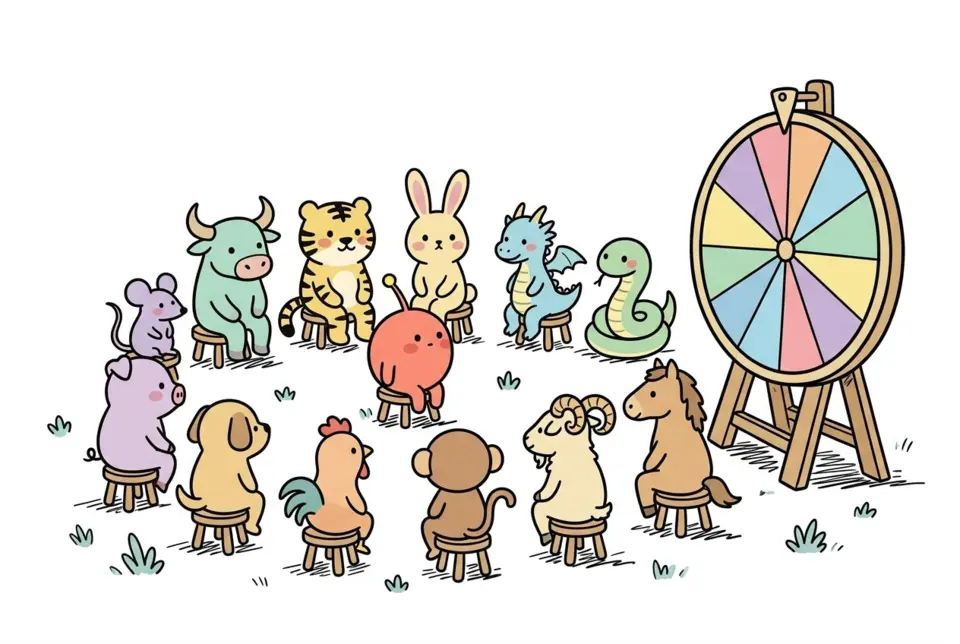 Eto (sexagenary cycle)Eto is the set of 60 combinations of the ten heavenly stems and the twelve earthly branches,…
 The 24 solar terms
 Day of the Ox in doyoThe Day of the Ox in doyo is a day marked by the Ox of the twelve zodiac signs, falling with…
 3% consumption tax
 ReiwaQ. Does the “rei” in Reiwa mean “order”?
A. The “rei” in Reiwa does not mean “order.” In the source word “reiget…
 Gengo (era names)A gengo is a name for years counted from a certain year. In Japan it began with Taika, and s…
Source (in Japanese): JREメディア「2026年の一粒万倍日カレンダー」