ELI5
Explain it like I’m five無洗米(むせんまい)What is musenmai?
日本語English
In one lineMusenmai is rice that has had its leftover bran removed at the mill, so it can be cooked without washing. It produces no rinse water.
Musenmai is “no-wash rice.” You just add water and cook it. Normal rice still has a thin layer of fine bran dust on each grain after milling. That is why people in Japan wash, or “polish,” rice before cooking. With musenmai, the factory has already taken that dust off. So you save time and water, and there is no cloudy rinse water to pour away. Tip: add a little more water than for normal rice. Some people choose it for one reason only. In winter, they don’t have to put their hands in icy water.
- grain
- (米)粒
- bran
- ぬか
- mill
- 精米する
- rinse water
- とぎ汁
- icy
- 氷のように冷たい
Go deeper
Using bran to remove bran
One common method is called the BG process. The fine bran left on polished rice is slightly sticky. When the rice is spun fast inside a drum, that bran sticks to other bran and comes off in clumps. In other words, bran removes bran, with no water. This method spread from about 1991. Other ways include rinsing the rice quickly and drying it at once, or polishing it with brushes.
Why no rinse water matters
Water from rinsing rice contains phosphorus and nitrogen from the bran, which can pollute rivers and the sea. No-wash rice makes no rinse water, so homes send less of it down the drain. Because it saves time and water, school lunch kitchens, hospitals, company cafeterias and restaurants use it too. One story says the idea came when someone looked down from a plane, saw a cloudy white river and realized it was rice water.
How people use it
- “No-wash rice is a lifesaver when camping, since it needs less water.”
- “It was no-wash rice, but out of habit I rinsed it three times.”
Questions people ask
- How much water does no-wash rice need?
- A little more than regular rice. If your rice cooker has a no-wash line, use that.
- Can I rinse no-wash rice?
- You can, but some flavor washes away. If you are worried, rinse it lightly just once.
- When did no-wash rice appear?
- A major method, the BG process, was announced in 1991, and no-wash rice spread from around then.
Sources:Wikipedia「無洗米」、コトバンク「無洗米」
Your turn
How do you make rice?
Tap to see what everyone said.
Related words
 Baking soda (jyuso)Baking soda is a white powder.
 Tsukurioki (cooking ahead)Tsukurioki is cooking several dishes at once when you have time, then storing them in the fr…
 Osaji and kosaji (tablespoon and teaspoon)
 Shosho and hitotsumami (a little and a pinch)Shosho is a very small amount you can pick up with your thumb and pointer finger. Hitotsumam…
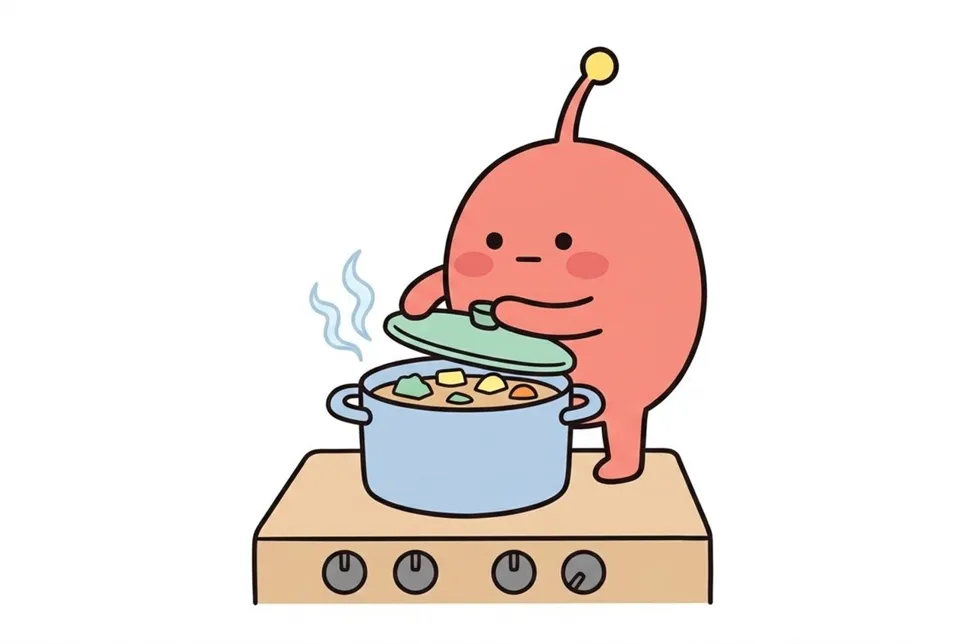 Otoshibuta (drop lid)An otoshibuta is a “drop lid.” It is a lid smaller than the pot that sits right on top of the food while it simmers.
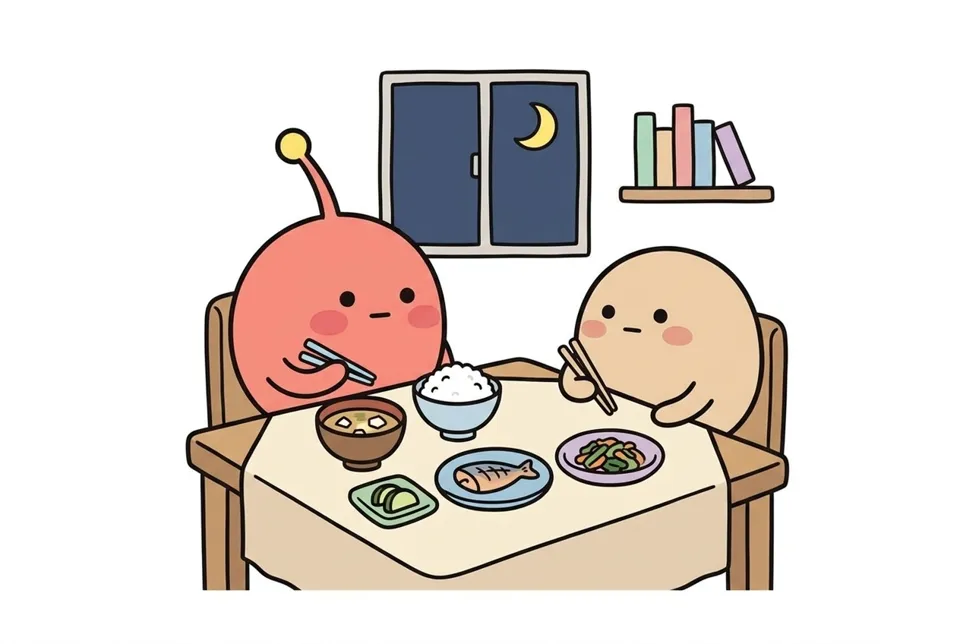 Ichiju sansai (one soup, three dishes)Ichiju sansai means “one soup, three dishes.” It is a classic shape for a Japanese meal.
 Nakashoku (ready-made meals at home)Q. Does nakashoku mean lunch?
A. No. It is read “nakashoku,” not “chushoku,” which means lunch.
 Microwave wattageThe watt number on a microwave tells you how strong it heats.
 Black FridayMany people think Black Friday is “black” because stores finally make money that day.
 Winter tire rule (fuyuyō taiya kisei)Q. Do I need snow tires to pass?
A. You do not always need snow tires. Under the winter tire rule, regul…
 Ichiryu manbai biMany people think ichiryu manbai bi is a rare lucky day.
 Jikka-jimai (closing up your parents’ home)Q. When should you start?
A. It does not end in one weekend. Sorting memories and family talks ta…
Source (in Japanese): Wikipediaで「無洗米」を調べる