ELI5
Explain it like I’m five大さじ・小さじ(おおさじ・こさじ)What are osaji and kosaji?
日本語English
In one lineOsaji and kosaji are measuring spoons. In Japan, 1 osaji is 15 mL and 1 kosaji is 5 mL, and powders are measured level.
Osaji and kosaji are the measuring spoons in Japanese recipes. Osaji is the big spoon, a tablespoon. Kosaji is the small one, a teaspoon. In Japan, one osaji is 15 milliliters and one kosaji is 5 milliliters. So one big spoon equals three small ones. For flour or sugar, don’t make a heap. Scrape the top flat. One more tip: a Japanese measuring cup is 200 milliliters, which can differ from recipes abroad. And the spoon you eat curry with? It is almost never a real tablespoon.
Common mix-upNo. Eating spoons come in many sizes, so they don’t measure a true tablespoon.
Words to know / 単語メモ
- measuring spoon
- 計量スプーン
- tablespoon
- 大さじ
- teaspoon
- 小さじ
- heap
- 山盛り
- scrape
- すりきる
Your turn
Did you know this word?
Tap to see what everyone said.
Related words
 Shosho and hitotsumami (a little and a pinch)Shosho is a very small amount you can pick up with your thumb and pointer finger. Hitotsumam…
 Shikikin and reikin (deposit and key money)Q. Is the deposit gone for good?
A. No. Normal wear from everyday living should not be taken out, so the…
 Madori (floor plan)
 Naiken (viewing a home)Naiken is visiting a property in person before signing a contract to rent or buy it, to chec…
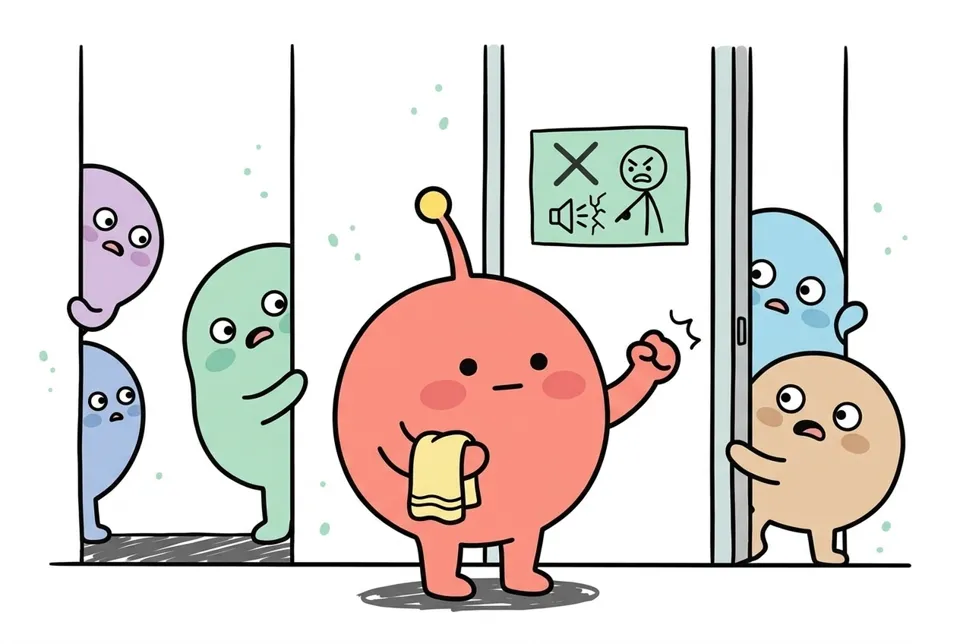 Hikkoshi aisatsu (moving-in greeting)
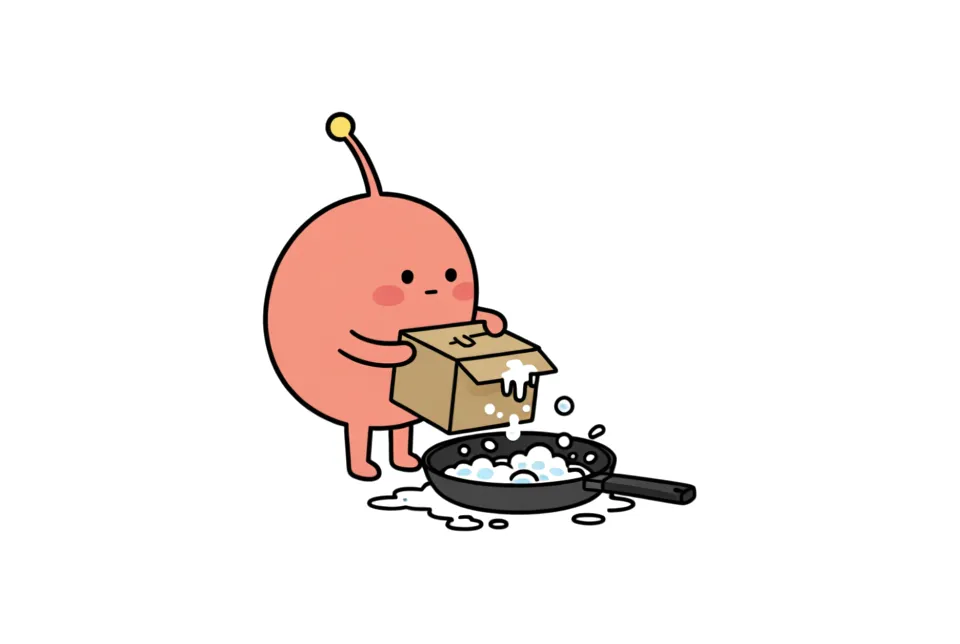 Baking soda (jyuso)Baking soda is a white powder.
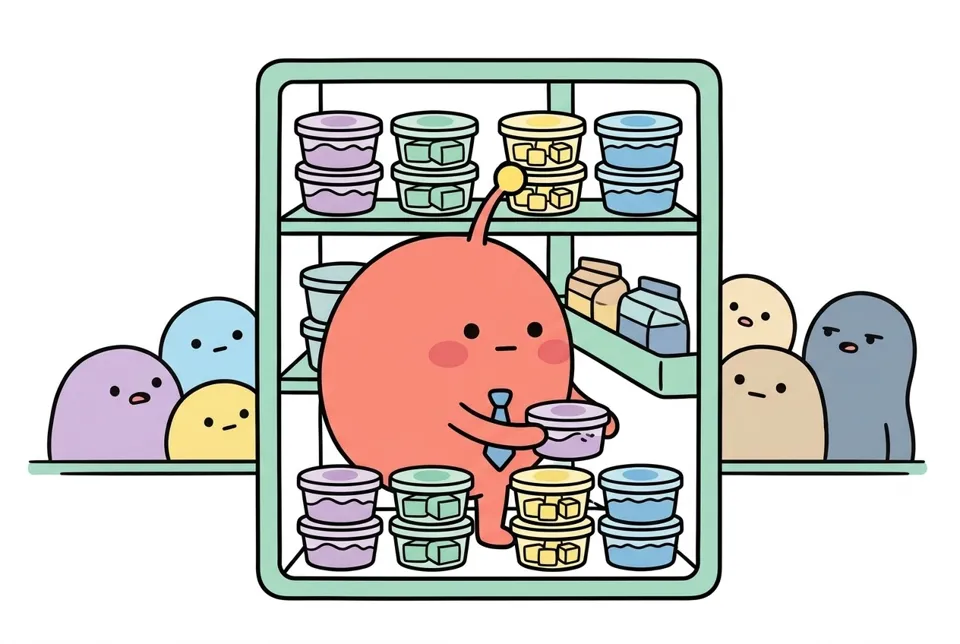 Tsukurioki (cooking ahead)Tsukurioki is cooking several dishes at once when you have time, then storing them in the fr…
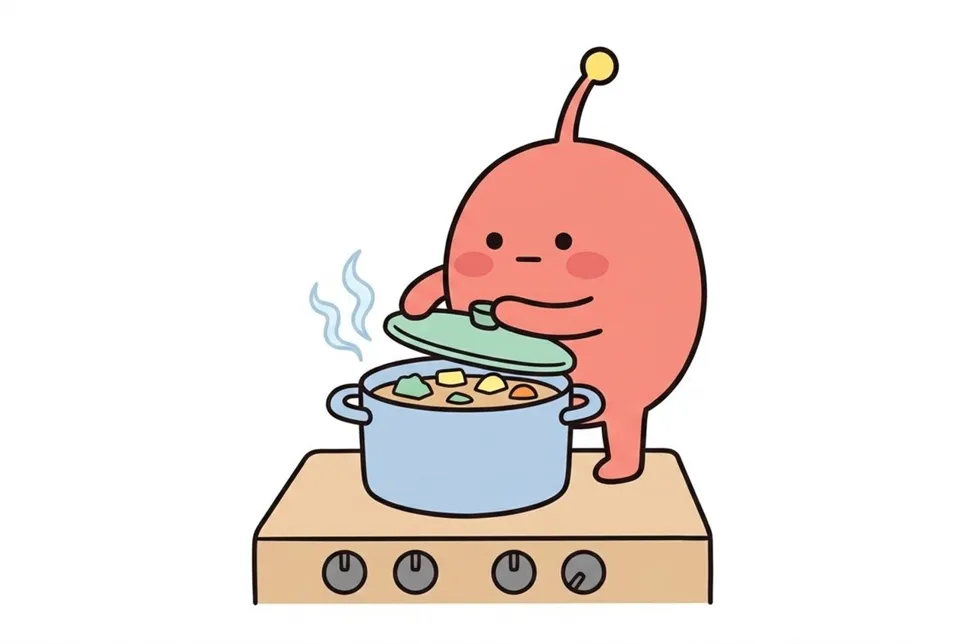 Otoshibuta (drop lid)An otoshibuta is a “drop lid.” It is a lid smaller than the pot that sits right on top of the food while it simmers.
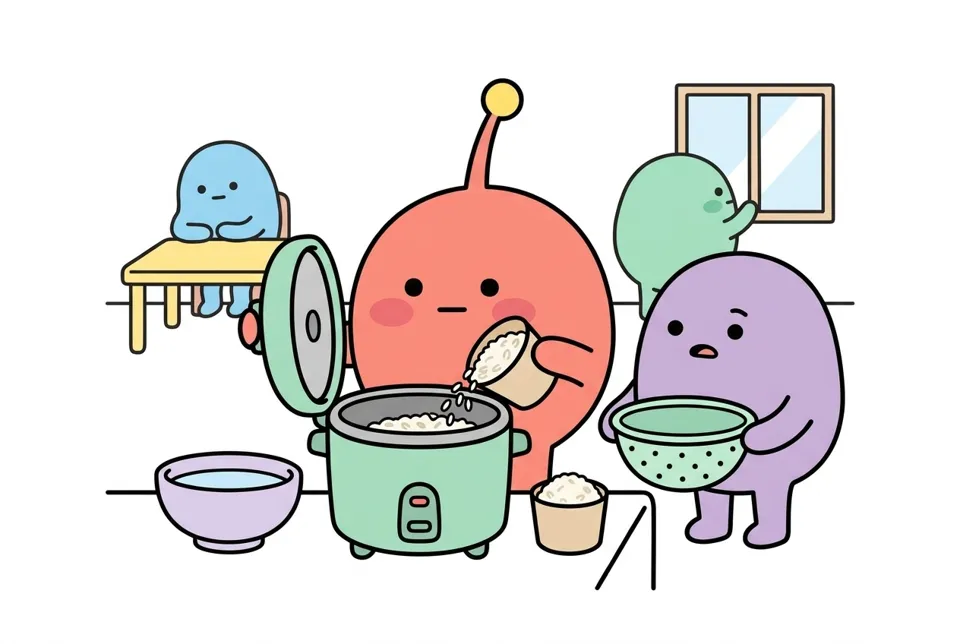 Musenmai (no-wash rice)Q. Is no-wash rice just unwashed rice?
A. No. It isn’t dirty. The bran was removed in advance so you don’t nee…
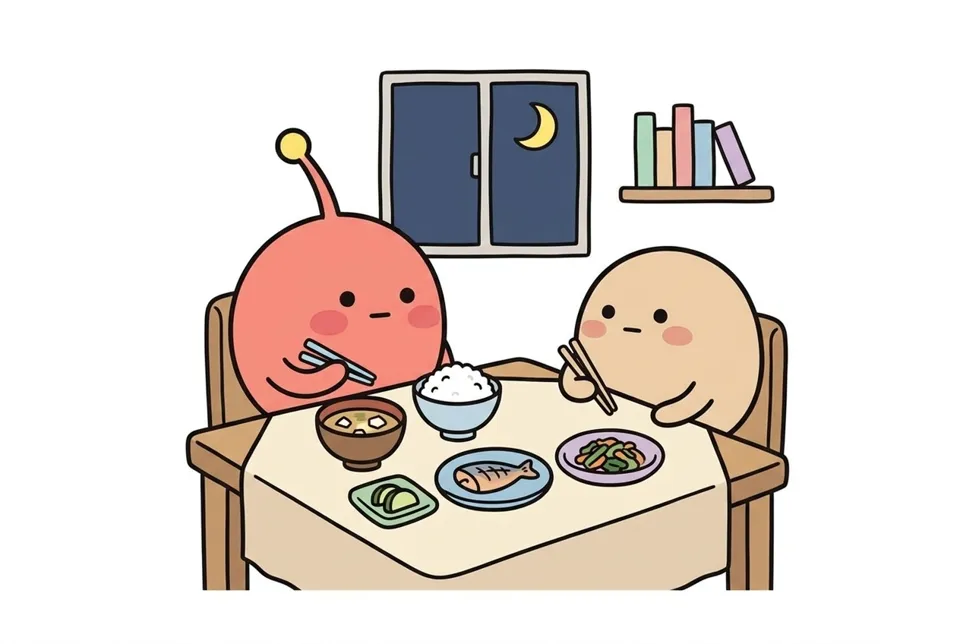 Ichiju sansai (one soup, three dishes)Ichiju sansai means “one soup, three dishes.” It is a classic shape for a Japanese meal.
 Nakashoku (ready-made meals at home)Q. Does nakashoku mean lunch?
A. No. It is read “nakashoku,” not “chushoku,” which means lunch.
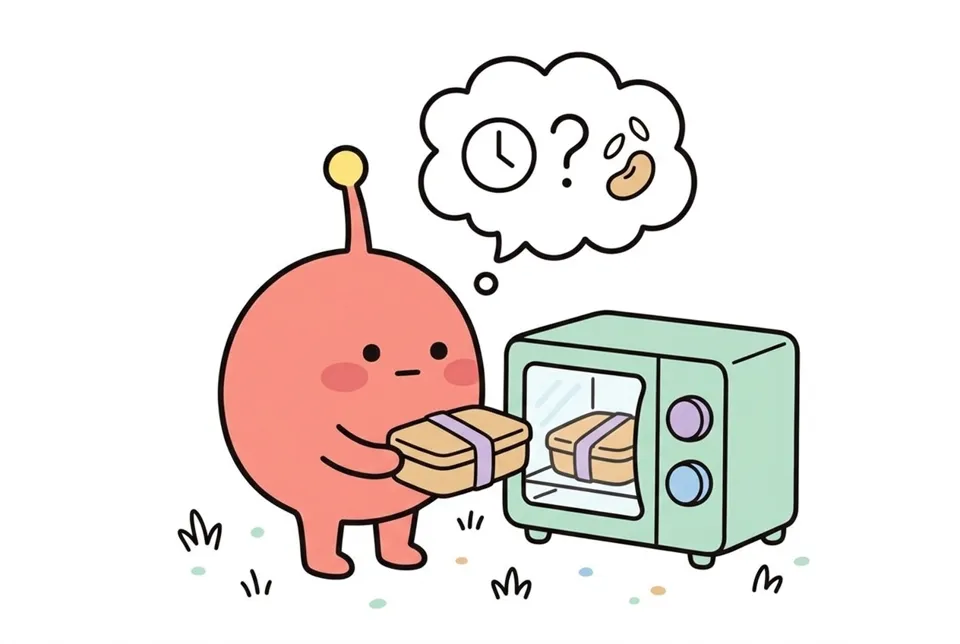 Microwave wattageThe watt number on a microwave tells you how strong it heats.
Source (in Japanese): Wikipediaで「大さじ・小さじ」を調べる