ELI5
Explain it like I’m fiveお中元とお歳暮(おちゅうげんとおせいぼ)What are ochugen and oseibo?
日本語English
In one lineOchugen and oseibo are gifts sent to thank people who have helped you. Ochugen is sent in summer and oseibo at the end of the year.
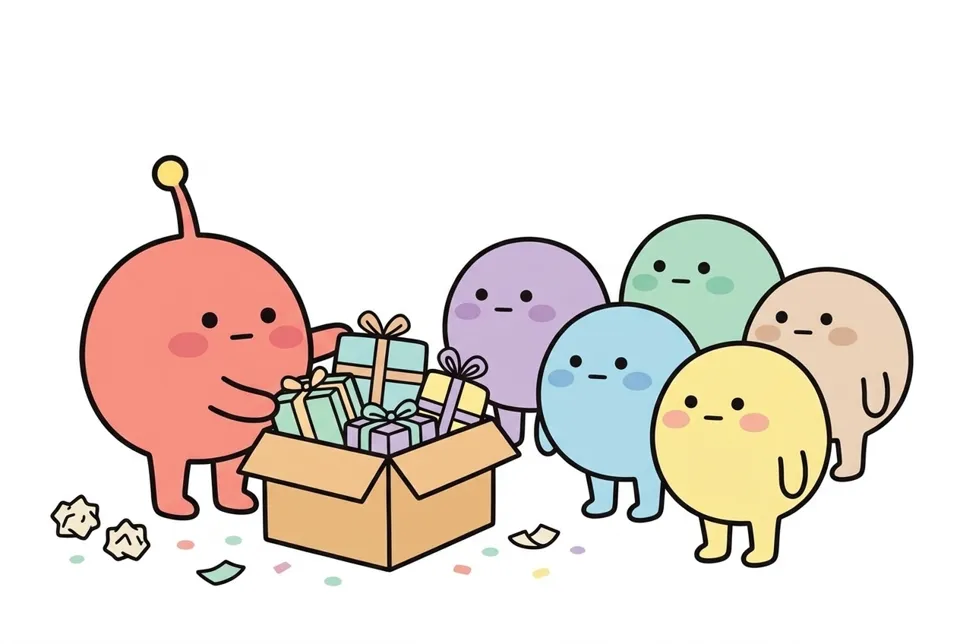
Ochugen and oseibo are gifts you send to people who have helped you, to say thank you. Ochugen is sent in summer. Oseibo is sent at the end of the year. The summer timing depends on the region. Around Tokyo it is early July, and in many other places a bit later. Oseibo usually arrives between early December and about the 20th. Beer, soap and fruit are classic picks. Lately, many companies have stopped sending them to each other. Starting is easy. Knowing when to stop is the hard part.
Common mix-upNo. They aren’t celebration gifts, so they can be sent during mourning, though red-and-white ribbons are usually avoided.
Words to know / 単語メモ
- thank-you gift
- お礼の品
- region
- 地域
- mourning
- 喪中
- ribbon
- 水引・リボン
- classic
- 定番の
Your turn
Did you know this word?
Tap to see what everyone said.
Related words
 Uchi-iwai (return gift for celebrations)Q. Did uchi-iwai always mean a return gift?
A. No. It began as a gift to share family joy, not as a payback.
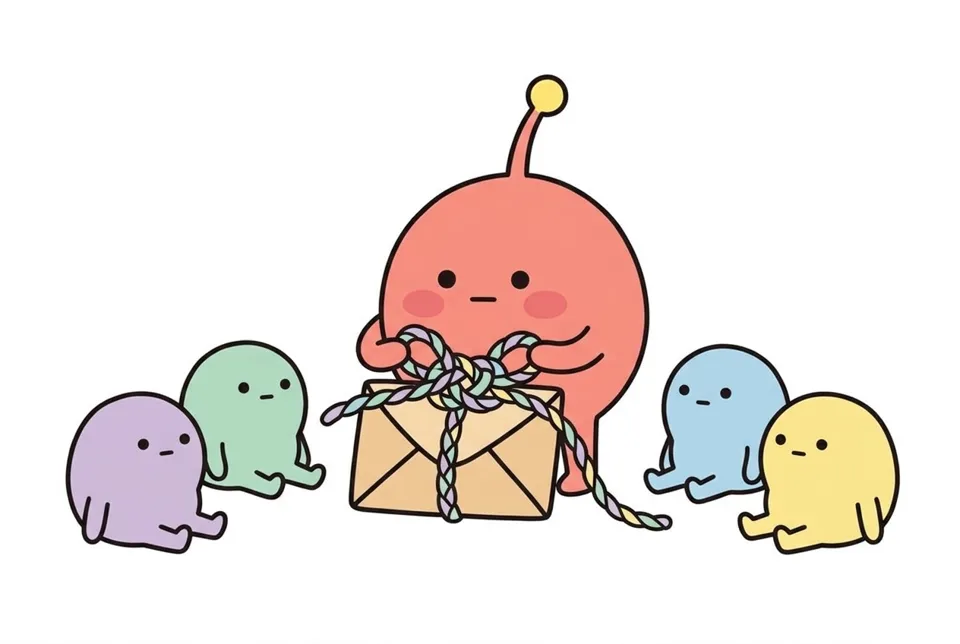 Mizuhiki (decorative paper cord)
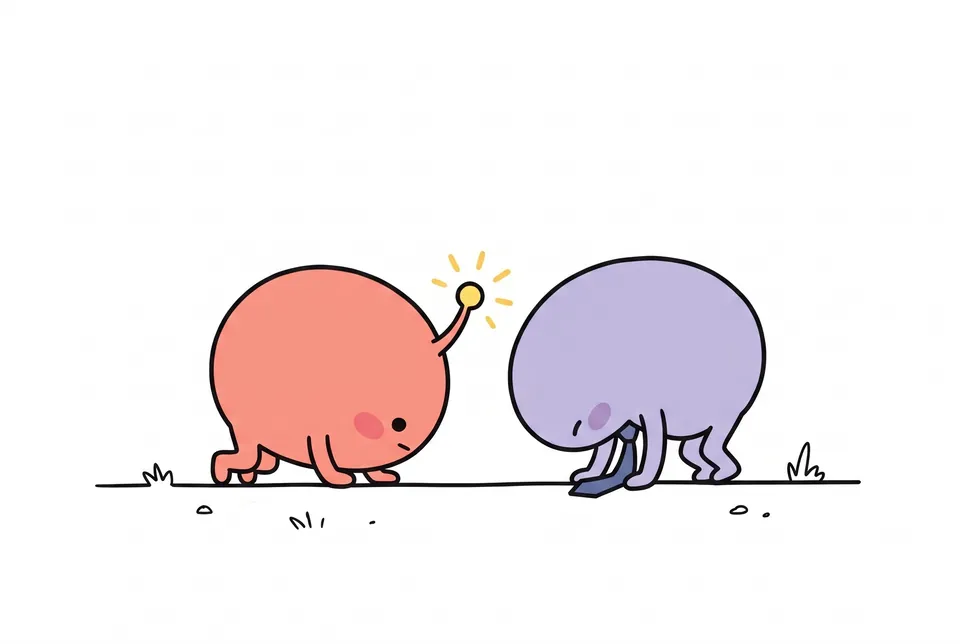 Bowing (ojigi)Ojigi is the Japanese bow: bending the head or upper body forward to show respect, greeting,…
A. Once you take a plate, do not put it back on the belt. It is an impo…
A. It is not only a Japanese custom. Korea, the Nordic countries and ot…
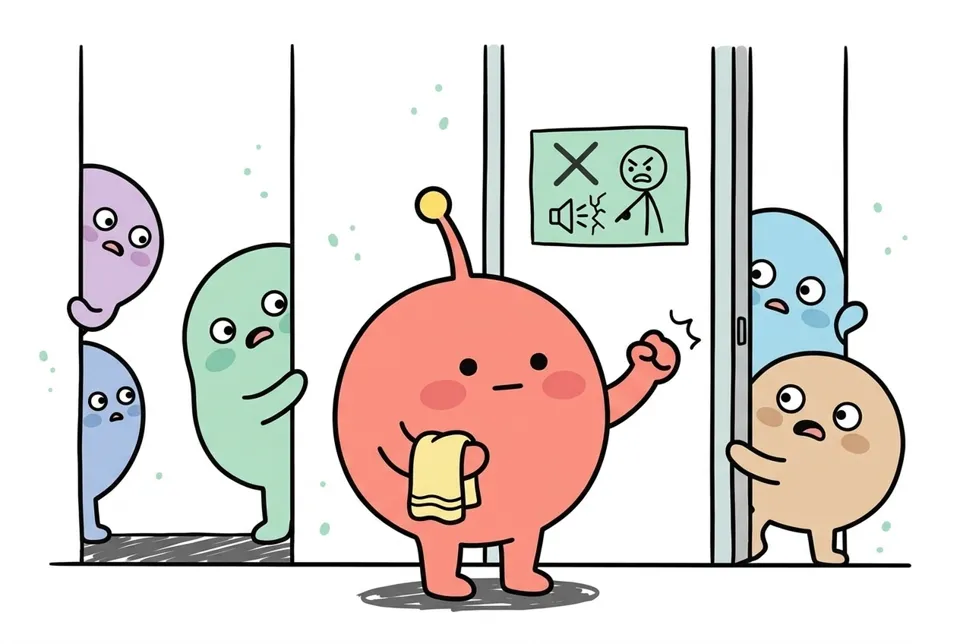 Hikkoshi aisatsu (moving-in greeting)
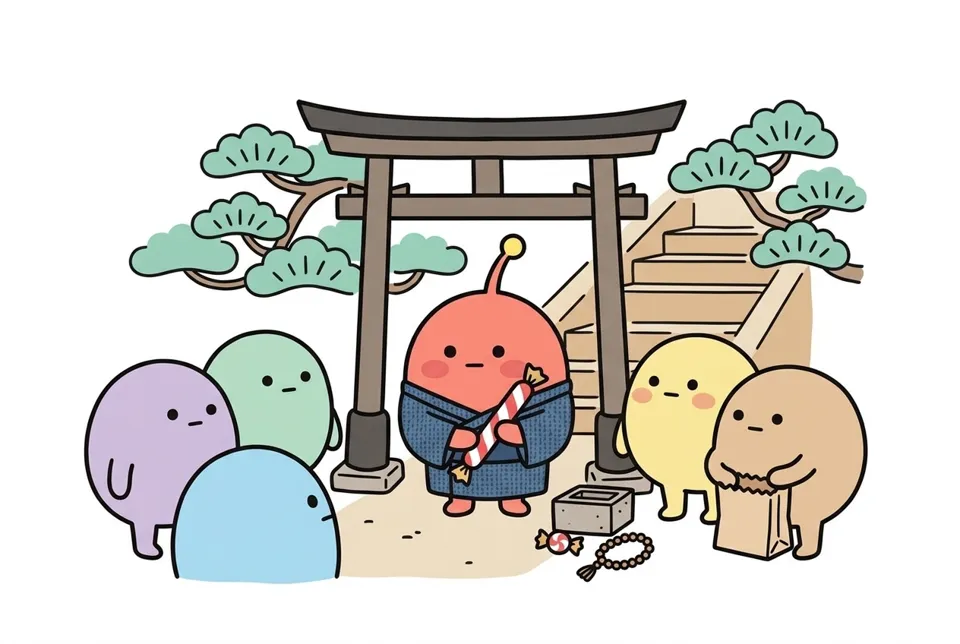 Shichi-go-san (7-5-3 festival)Q. Must shichi-go-san be on November 15?
A. No. Most families visit on a convenient day around November 15.
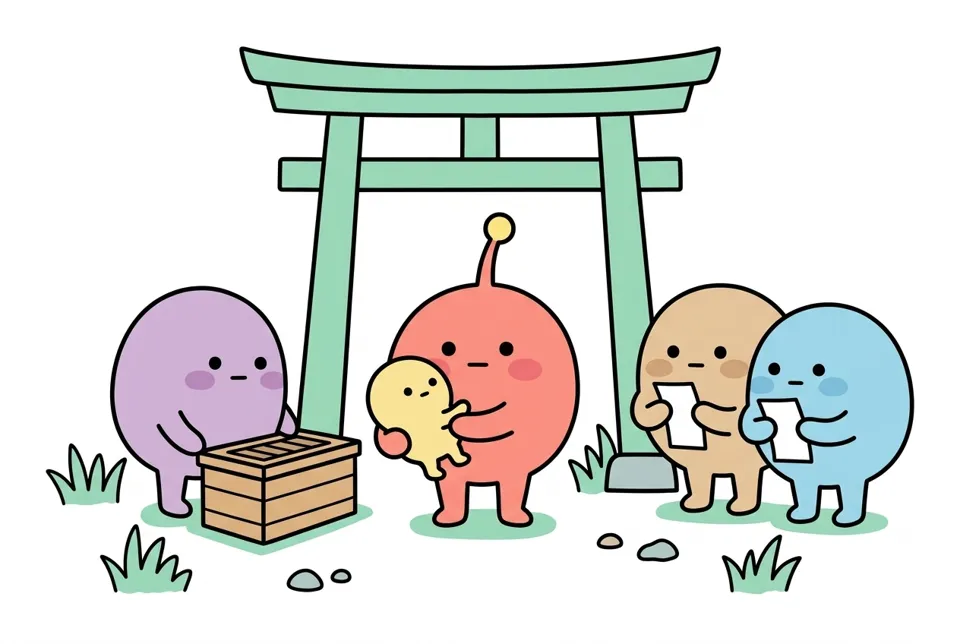 Omiyamairi (a baby’s first shrine visit)Omiyamairi is a baby’s first visit to a shrine, about one month after birth.
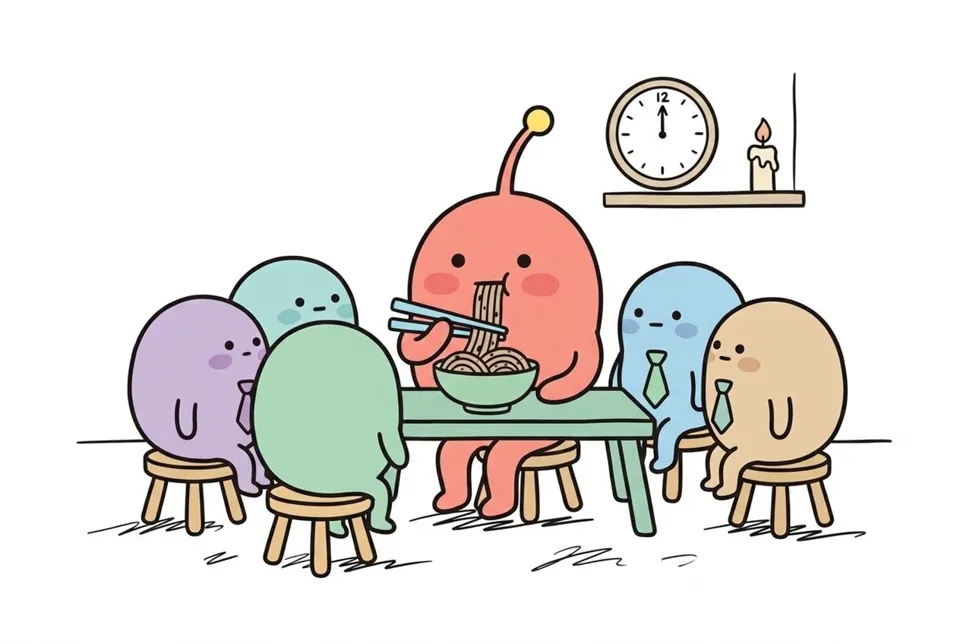 Toshikoshi soba (New Year’s Eve noodles)Q. Is there a set time to eat toshikoshi soba?
A. No. There is no nationwide rule. Some eat it at dinner, others late …
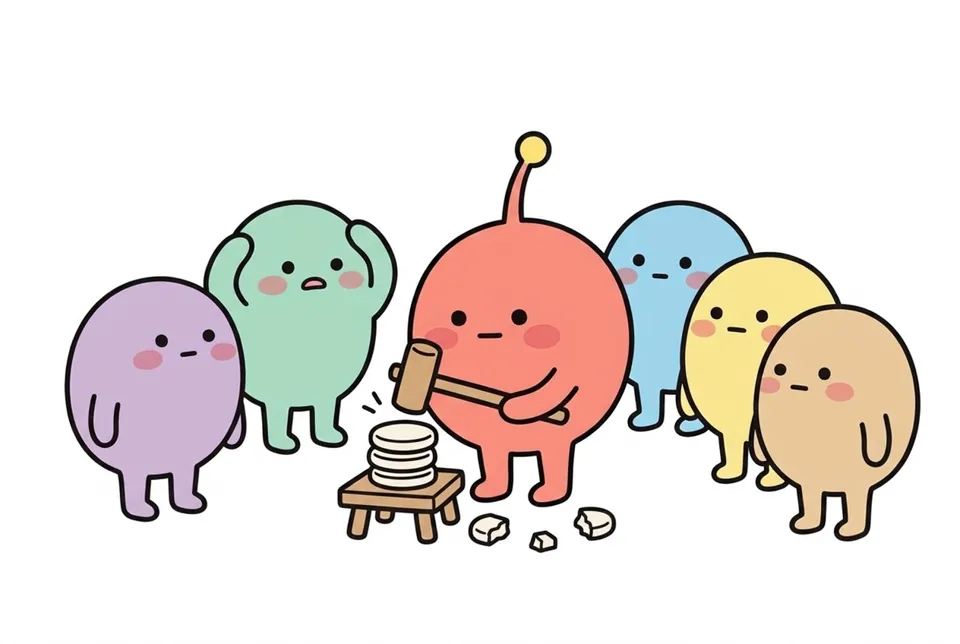 Kagami biraki (opening the New Year rice cake)Q. Do you cut kagami mochi with a knife?
A. No. Traditionally, you don’t use a knife. You break it by tapping.
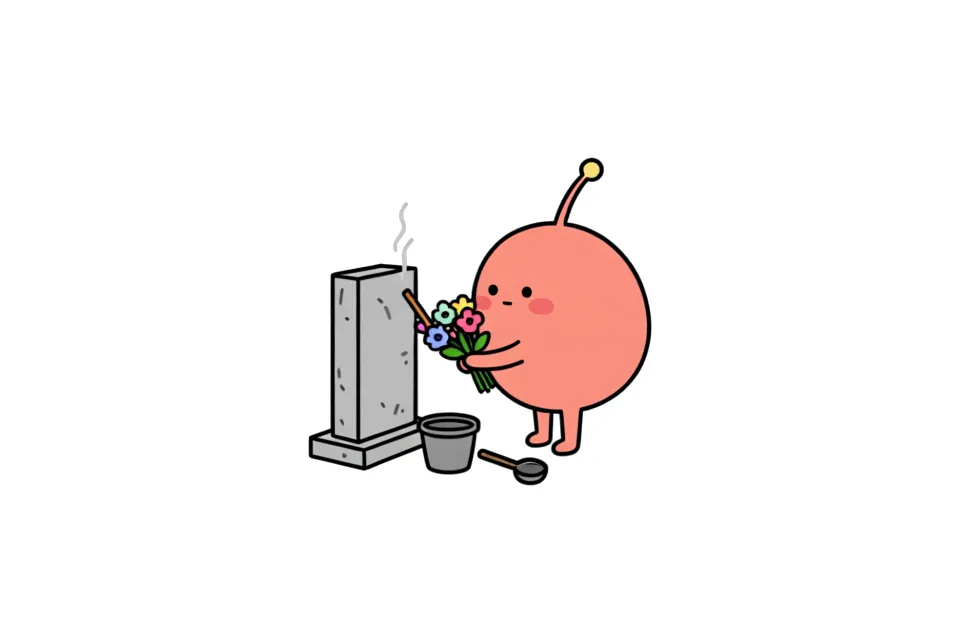 Ohigan (equinox week)Ohigan is two seven-day periods, each centered on the spring or autumn equinox, when people …
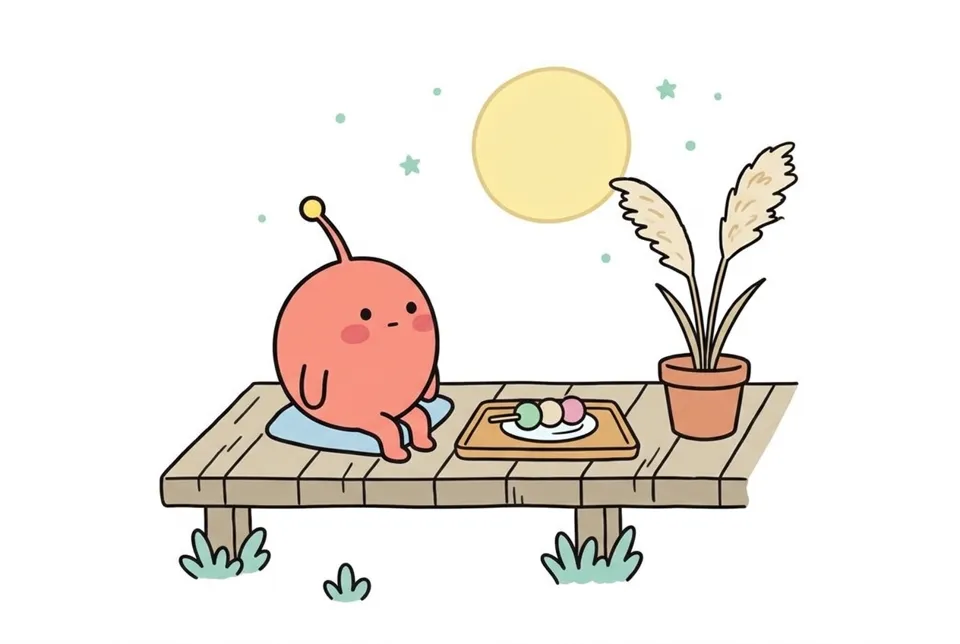 Jugoya (harvest moon night)Jugoya is the night of the 15th day of the 8th month on the old lunar calendar. Its moon is …
Source (in Japanese): Wikipediaで「お中元とお歳暮」を調べる